
Last updated November 2, 2026
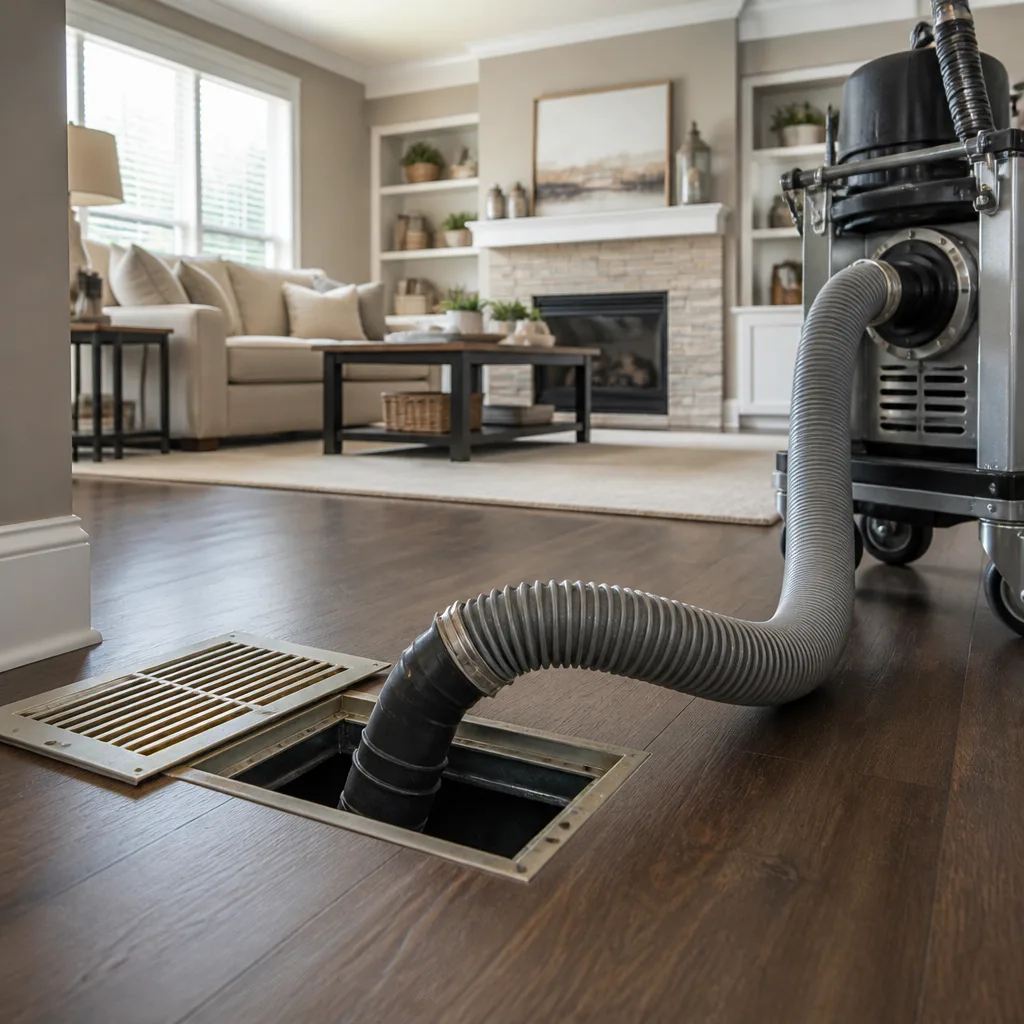 Whole-home duct cleaning
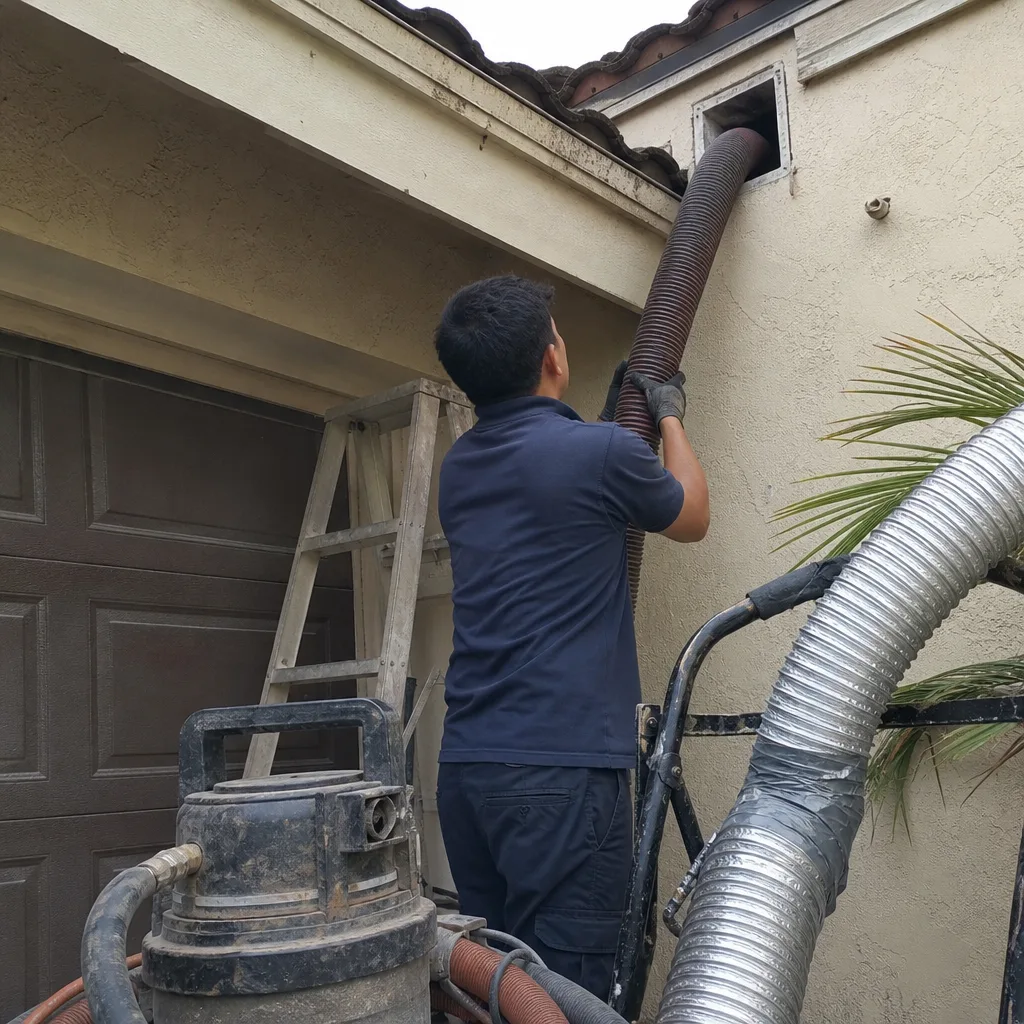
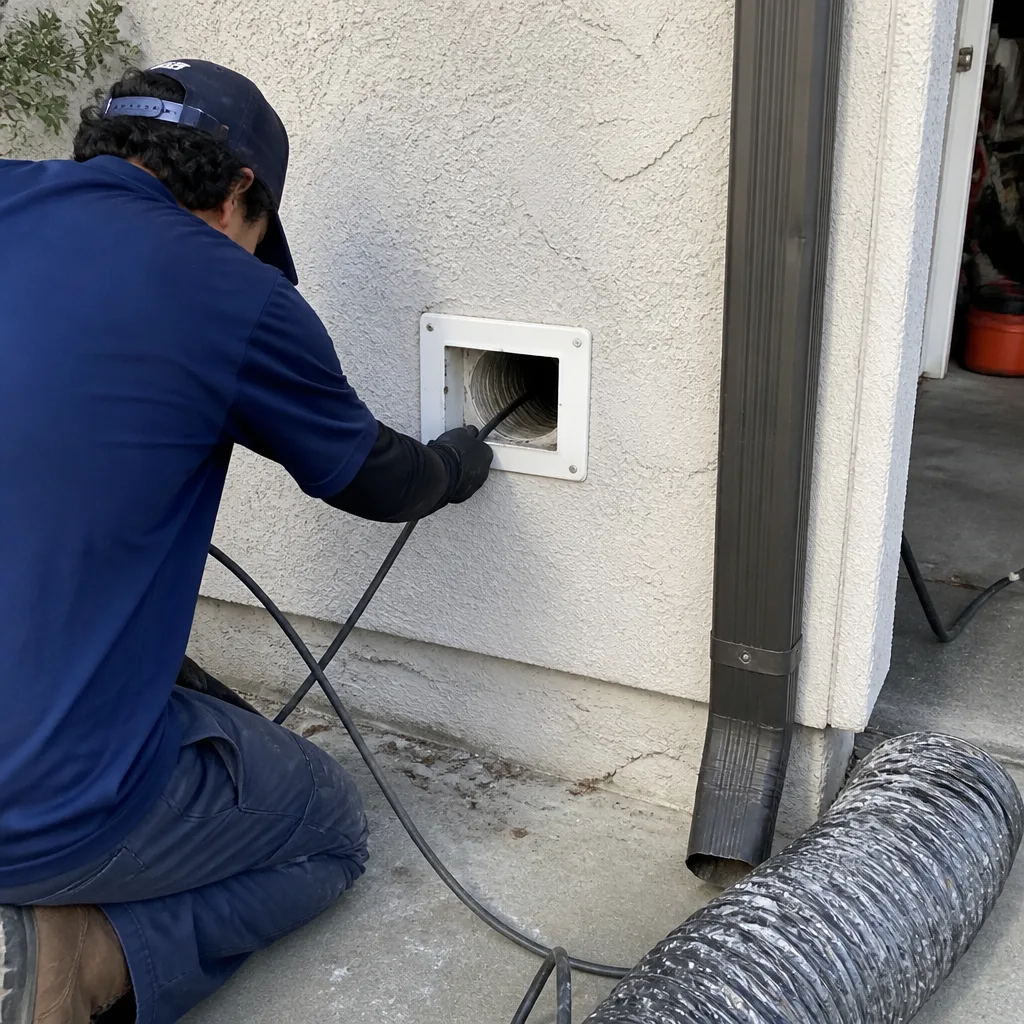
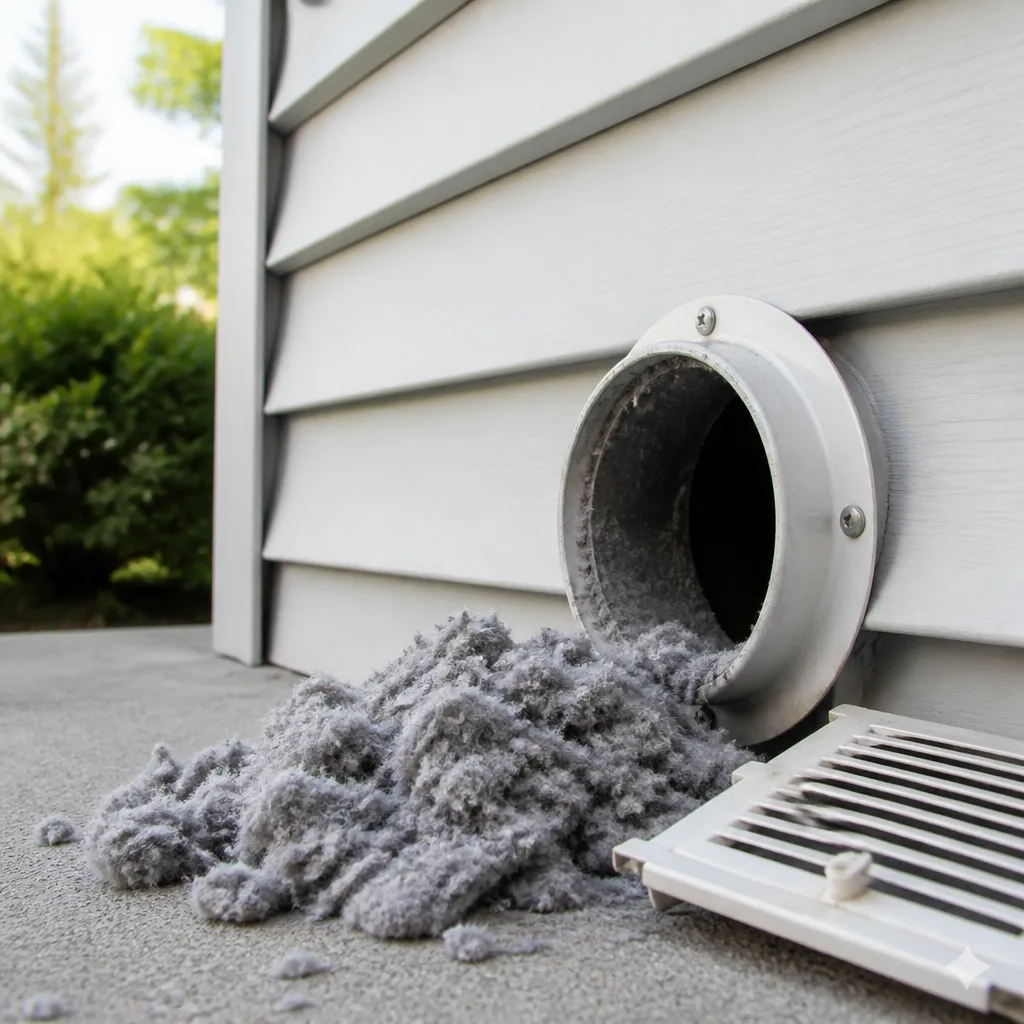 Dryer vent cleaning
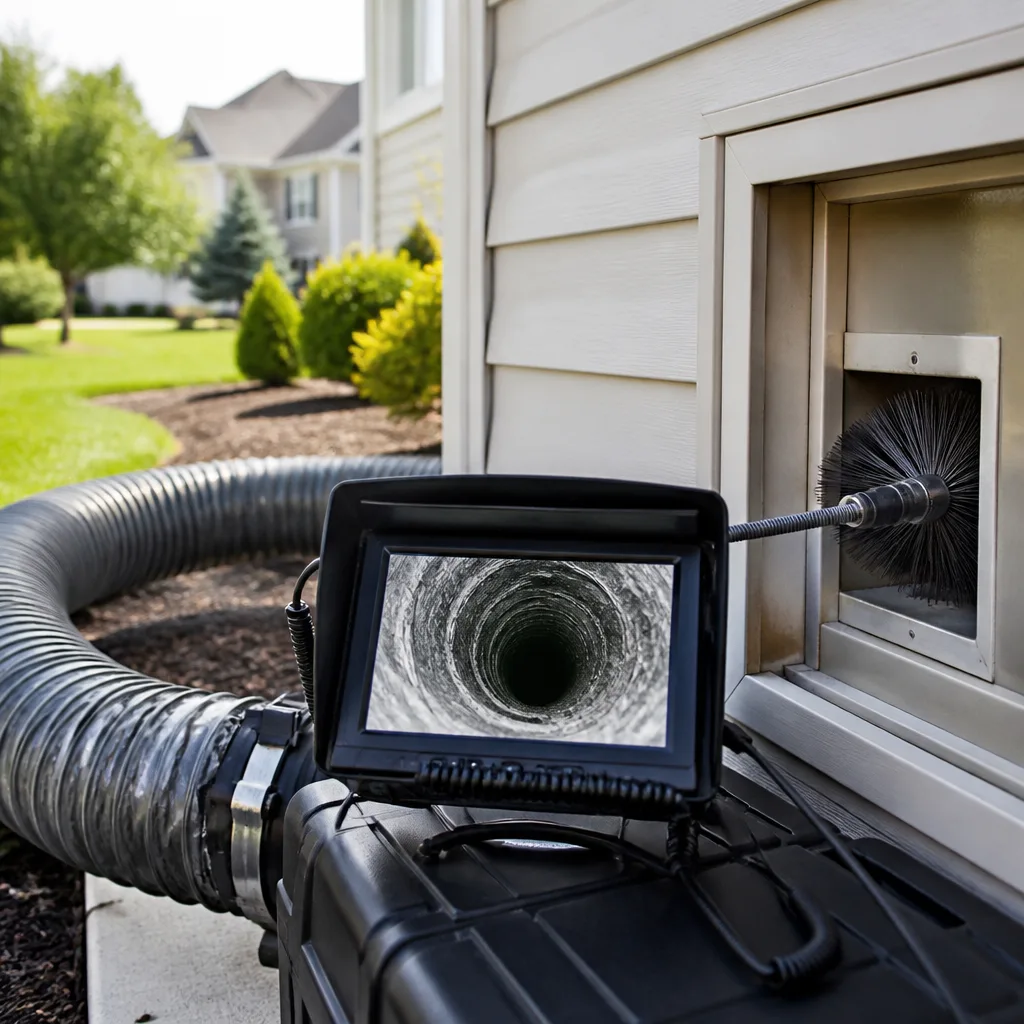 Camera inspection
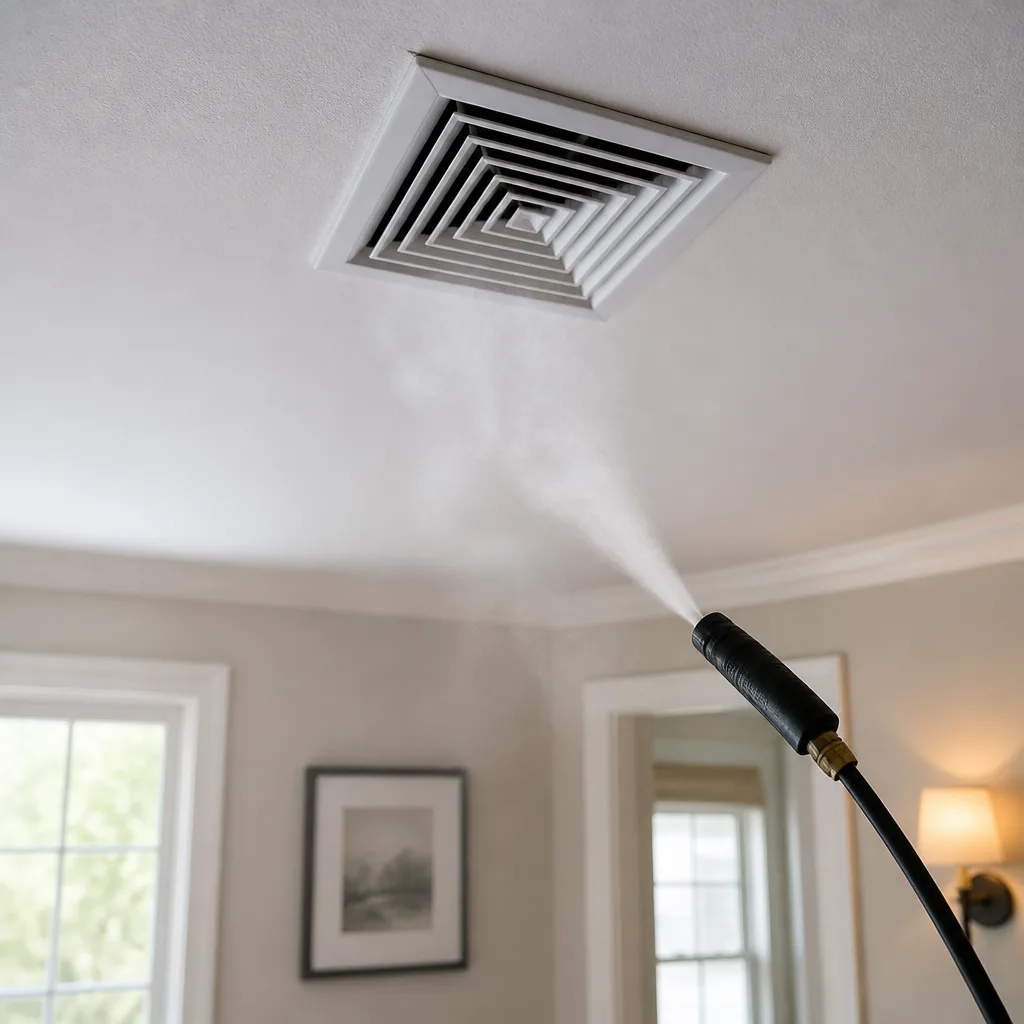 Sanitizing & deodorizing
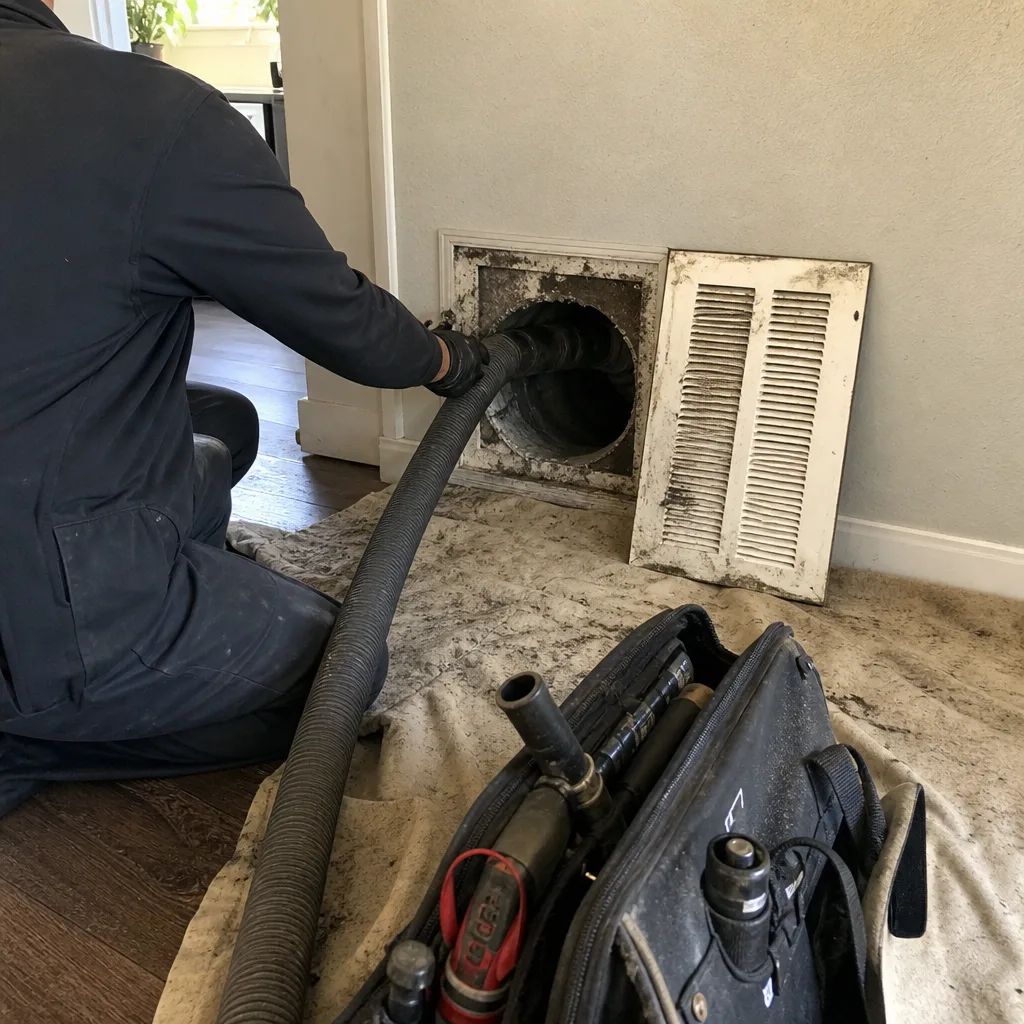
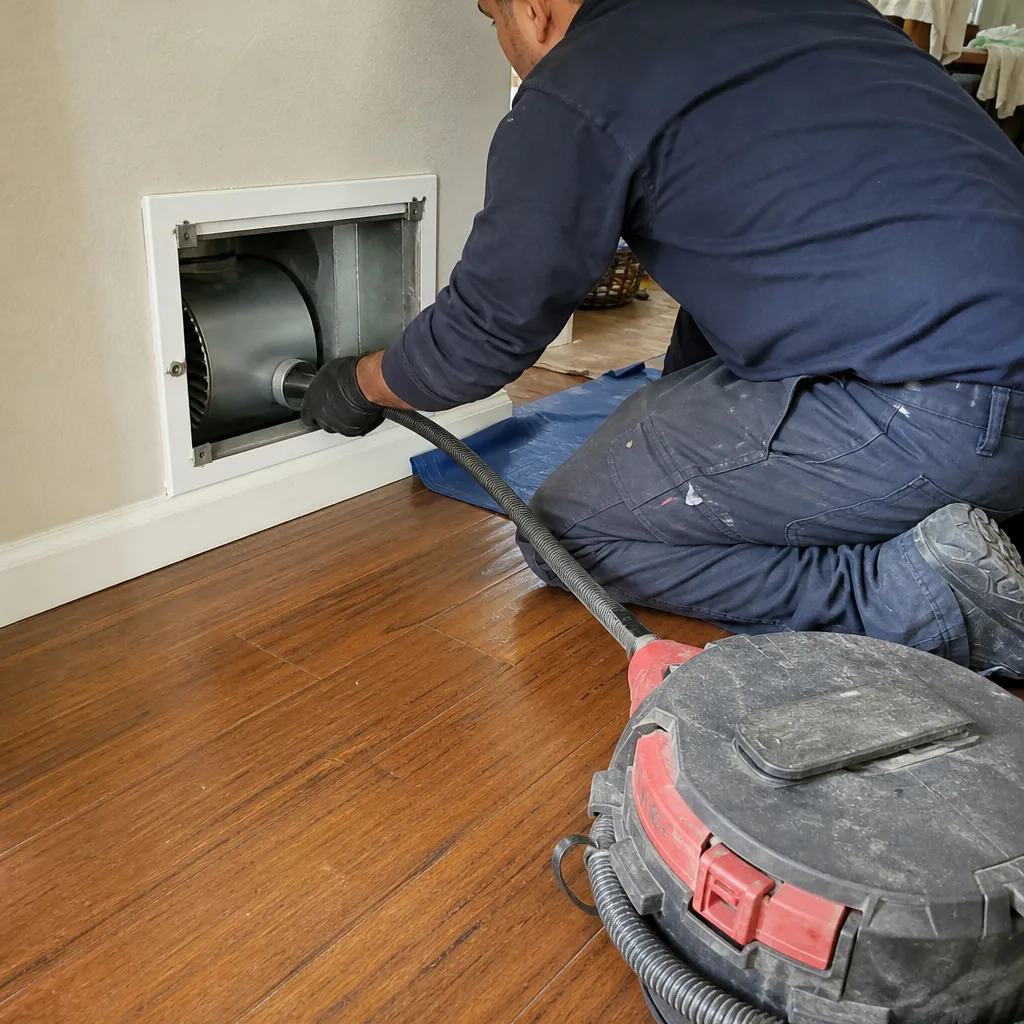
Whole-system duct and dryer vent check with before-and-after photos - you see exactly what came out of your vents
That "$99 whole-house special" is a bait ad - the real number appears once they are in your hallway, or the "clean" is a shop-vac at the register. We photograph the inside of your ducts before and after instead.
Air Duct Cleaning Troubleshooting: Common Problems and How to Fix Them
If your home smells musty or dusty within two weeks of a duct cleaning, the most likely culprits aren’t your ducts. They’re an unsealed evaporator coil compartment or a contaminated drain pan that the technician skipped, because those components require extra steps most $99 specials don’t include. This guide walks through the actual failure modes behind the five most common post-cleaning complaints, how to distinguish a cleaning failure from a system problem, and what a proper remedy actually looks like. We’ve written this from the perspective of a Duct Cleaning Mission Viejo home specialist who has re-cleaned enough botched jobs to know exactly what goes wrong and why.
Styles & brands we work with
- Whole-home duct cleaning
- Dryer vent cleaning
- Camera inspection
- Sanitizing & deodorizing
Quick Answer
Most air duct cleaning problems fall into five categories: persistent odor, increased dust, reduced airflow, worsened allergies, and visible debris at registers. Each has a specific technical cause, usually incomplete cleaning, wrong equipment, or a skipped component like the coil or drain pan. Fixing the problem starts with identifying which failure mode you’re dealing with, then deciding whether re-cleaning, sealing, coil treatment, or repair is the right fix.
Table of Contents
- Persistent Odor After Cleaning
- Increased Dust After Cleaning
- Reduced Airflow After Cleaning
- Worsened Allergies After Cleaning
- Visible Debris at Registers
- Cleaning Failure vs. System Problem
- How Negative-Pressure Cleaning Can Backfire
- Documenting Your Job: What a Homeowner Can Prove
- Common Mistakes to Avoid
- When to Call a Professional
- Frequently Asked Questions
- The Bottom Line
Persistent Odor After Cleaning: The Dirty Sock Syndrome
You paid for a duct cleaning and the smell is still there, or worse, it’s back within a month. The most common cause in Mission Viejo homes is what HVAC technicians call “dirty sock syndrome”: bacterial growth on the evaporator coil that releases a musty, sour odor every time the air conditioner cycles on. The coil sits downstream of your return ducts but upstream of your supply registers, which means air passes over it after leaving the ducts. If the cleaning crew never opened the coil compartment, they never touched the source of the smell.
Here’s what actually causes persistent odor after a cleaning:
- Skipped evaporator coil: The coil is coated in dust, pet dander, and moisture. Bacteria colonize it. Cleaning ducts without cleaning the coil is like washing your hands but not your fingernails.
- Contaminated drain pan: The pan beneath the coil collects condensation. If it’s sloped wrong or the drain line is partially clogged, standing water breeds mold and bacteria. A proper cleaning includes draining, scrubbing, and treating the pan.
- Unsealed coil compartment: If the access panel isn’t resealed properly, humid attic or crawlspace air gets pulled in. That moisture feeds microbial growth.
- Dead rodent or pest debris: If the smell is sharp and foul rather than musty, there may be decomposing matter in the ductwork that wasn’t removed. A camera inspection finds this fast.
The fix depends on what’s actually causing the odor. If the coil is the source, it needs professional cleaning with an EPA-registered antimicrobial treatment. If the drain pan is holding water, the pan needs cleaning and the drain line needs clearing. If the compartment is unsealed, it needs to be resealed with proper gasketing. We see this pattern regularly in homes throughout Mission Viejo, where summer humidity loads make coil contamination more aggressive than in drier inland climates. The coil gets wetter, stays wetter, and grows more.
Increased Dust After Cleaning: When Debris Gets Redistributed
Your house has more dust on furniture and floors in the weeks after a cleaning than before. This is one of the most frustrating complaints homeowners bring to us, and it usually points to one of two failures: incomplete extraction or improper register sealing during the cleaning process.
Here’s the sequence that causes it:
- A technician connects a negative-pressure collection unit to the main trunk line but fails to seal off the individual supply registers.
- The agitation process (brushes, air whips, or compressed air) loosens dust and debris from the duct walls.
- Because the registers are open, loosened debris gets blown through the registers into your living spaces instead of being pulled into the collection unit.
- You find a fine layer of dust on every surface within a few days.
The second cause is a technician who cleans only the main trunk lines and skips the branch runs that connect to each room. The trunk lines get clean enough to look good on camera, but the branch runs still hold years of accumulated dust. Within weeks, air pressure pushes that dust into your rooms.
The fix is a re-cleaning done correctly: all registers sealed during agitation, every branch run accessed and cleaned, and negative pressure maintained throughout the process. We use Rotobrush and Nikro systems because they’re designed for exactly this kind of thorough extraction. Handheld shop vacuums and rental-grade equipment simply can’t maintain the airflow needed to pull debris from a full residential duct system. That’s the difference between cleaning ducts and actually removing what’s inside them.
Reduced Airflow After Cleaning: Loose Ducts and Crushed Runs
If rooms feel stuffier and your AC runs longer after a cleaning, the ducts themselves may have been damaged during the process. Flexible duct runs, which are common in Mission Viejo homes built since the 1980s, are vulnerable to being crushed, disconnected, or torn when aggressive agitation tools are pushed through them.
Watch for these specific signs:
- One room is noticeably warmer than the rest of the house: A branch run may have been disconnected at a junction, meaning conditioned air is spilling into the attic or crawlspace.
- A hissing or whistling sound near a register: A tear in the flex duct is letting air escape before it reaches the room.
- Higher energy bills with no change in thermostat settings: The system is working harder to deliver less air because of a leak somewhere in the run.
- A register with almost no airflow at all: The duct may be crushed, kinked, or completely separated.
- HEPA-filtered collection: The vacuum unit must be equipped with HEPA filtration, not just a standard bag filter. Standard filters let fine particles pass through and back into your home. HEPA captures 99.97% of particles down to 0.3 microns.
- Full system cleaning, not just the trunks: Every branch run, every boot, every transition must be agitated and extracted. If the crew spends 45 minutes on a 2,500 square foot home, they didn’t clean anything. A proper job takes 3 to 5 hours.
- Coil and blower cleaning: If the evaporator coil and blower wheel are coated in allergen-laden dust, the system re-contaminates clean ducts within weeks. The cleaning has to include these components or it’s incomplete.
- Post-cleaning filter replacement: Your HVAC filter should be replaced after every cleaning. If the crew leaves the old filter in place, it’s blowing captured allergens back into the system.
- Fine gray dust on the register face: The cleaning loosened dust but didn’t extract it fully, or the system has been running with debris still in the branch runs.
- Pink or yellow fiberglass fragments: The duct liner inside the plenum or trunk line is deteriorating. This is common in older systems and requires repair or replacement of the affected section, not just cleaning.
- Small bits of sheetrock or wood: Post-construction debris that was never cleaned out of the ducts. This is common in homes that had renovations done before the current owner moved in.
- Black specks or streaks: Could be mold. Could be soot from a past fireplace or candle use. Camera inspection tells you which. Don’t guess.
- Failed air handler gasket: The air handler cabinet has gaskets where panels and sections meet. When a gasket fails, unfiltered attic or crawlspace air gets pulled directly into the supply side. Your ducts will get dirty again within weeks no matter how many times you clean them, because the system is continuously ingesting unfiltered air.
- Cracked heat exchanger: In gas furnaces, a cracked heat exchanger can push combustion byproducts through the duct system. This creates black soot deposits at registers. It’s also a carbon monoxide risk. If you see black soot around your supply registers and you have a gas furnace, turn the system off and have the heat exchanger inspected immediately.
- Return air leak in a dirty zone: A return duct that runs through a dusty attic and has a separation or hole will pull attic air into the system continuously. That air carries insulation particles, dust, and whatever else lives in your attic. The fix is duct sealing, not another cleaning.
- Undersized or missing filter: If the filter slot is empty, if the filter is the wrong size, or if the filter is a cheap fiberglass panel, the system is letting most airborne particles pass straight through to the coil and ducts. The ducts will get dirty fast because nothing is stopping the dirt at the source.
- Access holes are cut into the supply and return trunks where they meet the air handler.
- The collection unit is connected to the trunk with an airtight seal.
- All registers throughout the house are sealed with temporary covers.
- The collection unit is turned on, creating negative pressure throughout the duct system.
- Agitation tools (rotating brushes on a Nikro system, compressed air whips on a Rotobrush setup) are inserted and worked through every branch run.
- Loosened debris is carried by airflow to the collection unit and captured in its filter.
- After all runs are cleaned, the access holes are sealed and the registers are unsealed.
- Take close-up photos of at least three registers: Remove the covers and photograph the visible duct interior with flash. Lay the register cover face-down and photograph the back side. If dust is caked on the back of the cover, that’s your baseline.
- Photograph the HVAC filter: Pull the filter and photograph it against a white background in daylight. The visible coating tells you how much particulate has been passing through.
- Photograph the return grille: The return is where air enters the system. If it’s coated in dust and pet hair, that’s a baseline record.
- Photograph the same three register interiors from the same angles: They should look visibly cleaner. If they look identical, the cleaning didn’t reach them.
- Photograph the back of the register covers: They should have been cleaned or replaced. If they’re still dirty, the crew skipped a basic step.
- Check the filter: A proper cleaning includes a filter replacement. If the old dirty filter is still in the slot, the job was incomplete.
- Ask for photo or video documentation from the cleaning itself: Any reputable duct cleaning company should be able to show you before and after images from inside your ducts before they leave the property. If they can’t, ask why.
- Hiring based on price alone: A $79 whole-house duct cleaning in Mission Viejo cannot be a complete job. The math doesn’t work. The technician is either rushing through the process, skipping components, or upsell-driven to make the visit profitable. You get what the price pays for.
- Not asking what equipment the company uses: Ask directly: “What collection unit and agitation tools do you use?” If the answer is vague or involves a shop vac, that’s your answer. Professional equipment means Rotobrush, Nikro, or equivalent commercial systems. Rental-grade tools cannot extract debris from a full residential duct system.
- Accepting a cleaning time under two hours: A complete cleaning of a typical 2,000 to 3,000 square foot Mission Viejo home takes three to five hours. If the crew is done in 90 minutes, they skipped something. Probably several things.
- Not replacing the filter after the cleaning: This is the single most common homeowner mistake. The old filter is loaded with everything the cleaning just removed from the ducts. Run the system with that filter in place and you’re blowing captured debris right back through your freshly cleaned system.
- Ignoring the dryer vent during a whole-house air duct project: Your dryer vent is part of the same air-conveyance system in your home, and it’s the one most likely to create a fire hazard if neglected. We offer Dryer Vent Cleaning in San Juan Capistrano as a distinct service line because dryer vents cleaned for safety, not just airflow, changes how seriously a homeowner takes the maintenance schedule.
- Skipping the coil and blower when the system is accessible: A duct cleaning that skips the coil and blower is an incomplete cleaning. If the company doesn’t offer coil cleaning, they’re not a full-service duct specialist. They’re a duct-only outfit.
- Assuming one cleaning lasts forever: Duct systems get dirty again because your home continuously generates dust, skin cells, and pet dander. Filter upgrades help, but the realistic cleaning interval for most Mission Viejo homes is three to five years. Longer if you upgrade filtration, shorter if you have pets or allergies.
This is where our Air Duct Repair in San Juan Capistrano capability matters. A company that only cleans will tell you to call an HVAC contractor for the repair. We can find the problem with a camera inspection and fix it on the spot. We clean it, and if it’s damaged, we fix it. That’s not a slogan; it’s the practical difference between a specialist and a cleaning-only outfit. If the duct is torn, we seal it. If it’s crushed, we either reshape it or replace the damaged section. If it’s disconnected, we reconnect it and seal the joint with mastic, not duct tape. Duct tape dries out and fails within a few years. Mastic stays flexible and seals permanently.
Worsened Allergies After Cleaning: What Got Left Behind
You hired a duct cleaner because allergies were bad, and now they’re worse. The likely explanation is that the cleaning stirred up allergens without actually removing them. Dust mite debris, pet dander, pollen, and mold spores are microscopic. They settle deep in the duct lining and in the insulation inside the plenum. A quick pass with a brush knocks them loose, but without proper extraction, they end up airborne in your living space.
Here’s what a proper allergen-focused cleaning includes that most budget jobs skip:
For Mission Viejo homeowners dealing with persistent allergy symptoms, we often recommend pairing a thorough re-cleaning with an upgraded filtration system. We carry and install Aprilaire and Honeywell media filters and electronic air cleaners. A standard one-inch fiberglass filter catches maybe 10% of the particles that irritate your sinuses. A Honeywell or Aprilaire media cabinet with a MERV 11 or MERV 13 filter catches 80 to 95%. Upgrading filtration at the same time as the cleaning means you’re not just removing what’s there; you’re preventing new buildup. That’s the difference between treating a symptom and fixing the cause.
Visible Debris at Registers: When You Can See the Problem
You look at a supply register and see dust, insulation particles, or even construction debris around the edges. This is the easiest problem to document, because it’s visible. It’s also a clear sign that either the cleaning was incomplete or something upstream is deteriorating.
Common visible debris and what it means:
If you see debris at registers after a cleaning, take a photo immediately. Then remove the register cover if you can and inspect the boot with a flashlight. The boot is the metal or plastic transition piece between the duct run and the register opening. In our experience, these boots are the most frequently skipped component in discount cleanings. They’re small, they’re awkward to reach, and they collect a surprising amount of debris. A proper cleaning removes the register covers, cleans each boot individually, and wipes down the register cover before reinstalling it. If the crew never touched the covers, they never cleaned the boots. In Mission Viejo, where many homes have floor registers that collect everything from pet hair to spilled drinks, boot cleaning is not optional. It’s part of the job.
Cleaning Failure vs. System Problem: How to Tell the Difference
Sometimes dirty ducts are a symptom of a failed component elsewhere in the system, not a cleaning deficiency. Distinguishing between the two saves you from paying for re-cleaning when what you actually need is a repair. Here are the scenarios where dirty ducts point to a deeper problem:
In our experience in Mission Viejo, a large share of repeat-cleaning calls trace back to one of these four issues. The homeowner had their ducts cleaned, they got dirty again within six months, and the cleaning company never investigated why. A proper diagnostic approach goes beyond the ducts themselves. We check the air handler, the filter housing, the return path, and the visible duct runs for leaks and failures. If there’s a system problem, we tell you before we clean, because cleaning dirty ducts without fixing the source is throwing money away. If the problem is a cracked heat exchanger, that’s a furnace repair we won’t do ourselves, but we’ll tell you exactly what to tell your HVAC contractor.
How Negative-Pressure Cleaning Can Backfire
Negative-pressure cleaning is the industry standard for a reason: it creates a vacuum inside the duct system that pulls loosened debris toward a collection unit instead of pushing it into your home. But it only works correctly when the process is complete. Skimp on the setup and you can make things worse than doing nothing at all.
A proper negative-pressure cleaning sequence works like this:
When step 3 is skipped, the vacuum pulls air from the nearest opening: your room registers. That means debris loosened in a distant branch run never travels to the collection unit. It takes the path of least resistance to the nearest open register, which is in the room next to where the technician is working. The result is a house full of dust that used to be neatly contained in your ducts. We see this failure mode regularly in assessment calls across Mission Viejo. Homeowners describe the same experience: the crew arrives, works for an hour and a half, and the house feels dustier for weeks afterward. The equipment matters, but the process matters more. A professional with rental-grade equipment and a correct process will outperform a sloppy crew with top-tier machines every time.
Documenting Your Job: What a Homeowner Can Prove
If you’re dealing with a botched cleaning or planning a new one, documentation is what turns a he-said-she-said dispute into a clear case. Here’s what you can capture yourself with just a phone camera and a basic understanding of what clean ducts should look like.
Before the cleaning:
After the cleaning:
A few minutes of phone camera work gives you a hard record. If you need to dispute a charge or request a re-clean, you’re not arguing from memory. You’re showing photographic evidence. We provide before-and-after camera documentation on every job we complete in Mission Viejo, because it protects the homeowner and it protects us. If there’s ever a question about whether a section was cleaned, the photos answer it.
Common Mistakes to Avoid
When to Call a Professional
You can document problems yourself. You cannot safely fix a contaminated coil, a disconnected branch run, a deteriorating duct liner, or a system that’s been incorrectly cleaned with a shop vac and wishful thinking. If you’ve had a cleaning in the past six months and any of the following is true, it’s time for a professional assessment: persistent musty odor with AC on, visible debris at registers, one room with dramatically different airflow, allergy symptoms worse after cleaning, or dust accumulating on furniture within days of wiping it down. These are not normal outcomes. Duct Cleaning Mission Viejo offers free estimates in Mission Viejo. Call (833) 593-4407 and we’ll inspect the system, identify what the previous cleaning missed, and tell you honestly whether re-cleaning, sealing, coil treatment, or repair is the right fix.
Frequently Asked Questions
A complete whole-house duct cleaning in Mission Viejo typically ranges from $450 to $900 for a home up to 3,000 square feet, depending on the number of returns, the accessibility of the air handler, and whether the coil and blower are included. Prices below $300 almost always mean skipped components or aggressive upsell tactics. One flat price per system agreed before work starts is the only honest way to quote this work. Call (833) 593-4407 for an exact quote. Estimates are free.
Cheap quotes come from companies that cut scope, not overhead. They clean only the trunk lines, skip the coil and blower, don’t seal registers during agitation, and finish in under two hours. The company then either leaves behind a half-cleaned system or generates revenue through upsells on mold treatments and filter products that should have been part of the original scope. The price looks low on the estimate and stops looking low when the van is in your driveway.
You should receive before-and-after photo or video documentation from inside your ducts before the crew leaves the property. If the company cannot produce that documentation, you have no way to verify what was cleaned. You can also check yourself: the register covers should be clean, the visible duct interior should be clean, and the filter should be new. If any of those three checks fails, the job was incomplete.
For most Mission Viejo homes, every three to five years is a realistic interval. Homes with pets, allergy-sensitive occupants, recent renovations, or a history of smokers in the house may need cleaning more often. If you upgrade to a Honeywell or Aprilaire media filtration system, the interval extends because the filter is capturing more particulate before it enters the ductwork. Ducts that get visibly dirty within two years of a proper cleaning point to a system problem, not a normal cleaning interval.
Yes, when the cleaning stirs up allergens without full extraction. Dust mite debris and pet dander settle in duct liner and deep in branch runs. A brush pass loosens them; only proper negative-pressure extraction with sealed registers actually removes them. If allergy symptoms got worse after a cleaning, the likely cause is incomplete extraction or a contaminated coil re-releasing allergens into the supply air.
It can help, but only if the cleaning is complete and documented. Buyers in Mission Viejo are sophisticated; many will ask for maintenance records and may run a home inspection that includes checking register interiors. A documented, professional cleaning with before-and-after photos answers the air-quality question before a buyer asks it. But a cheap cleaning that leaves dust in the registers can raise more concerns than it resolves.
The Bottom Line
Air duct cleaning problems are almost always traceable to a few recurring failure modes: incomplete scope, wrong equipment, skipped components, or a system problem that makes the ducts a symptom rather than the cause. If you’ve had a bad experience, the fix starts with an honest diagnosis. If you’re planning a cleaning, the protection starts with documentation and specific questions about equipment and process before you sign anything. For more guides & resources, visit our blog. The difference between a cleaning that works and a cleaning that doesn’t is rarely mysterious. It’s visible on camera, measurable in airflow, and detectable in how your house smells two weeks after the truck pulls away.
Want an honest assessment of your duct system in Mission Viejo? Call Air Duct Cleaning in San Juan Capistrano specialists at Duct Cleaning Mission Viejo at (833) 593-4407 for a free estimate. We’ll inspect the system, show you what’s actually in your ducts, and tell you what a proper fix looks like. Better air starts inside the ducts.
Written by the team at Duct Cleaning Mission Viejo, serving Mission Viejo since 2017.
See the difference
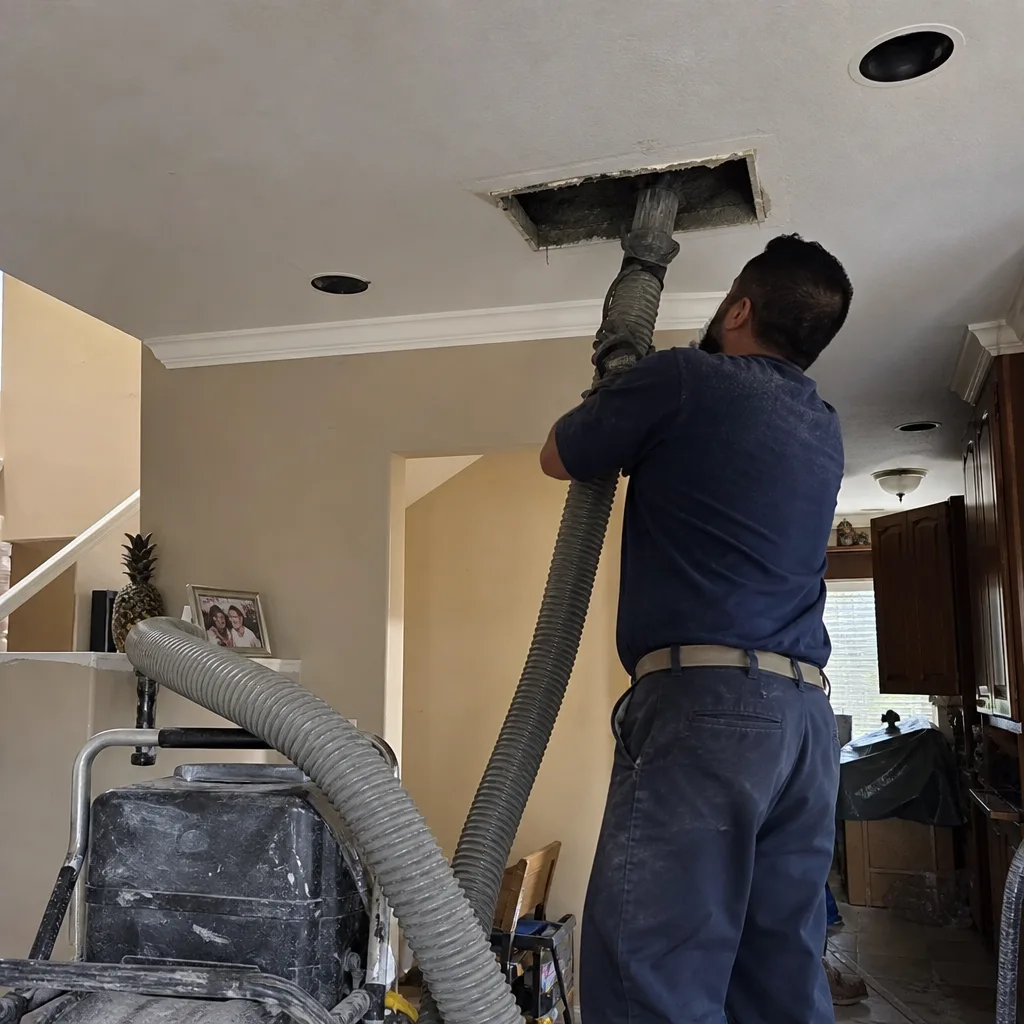
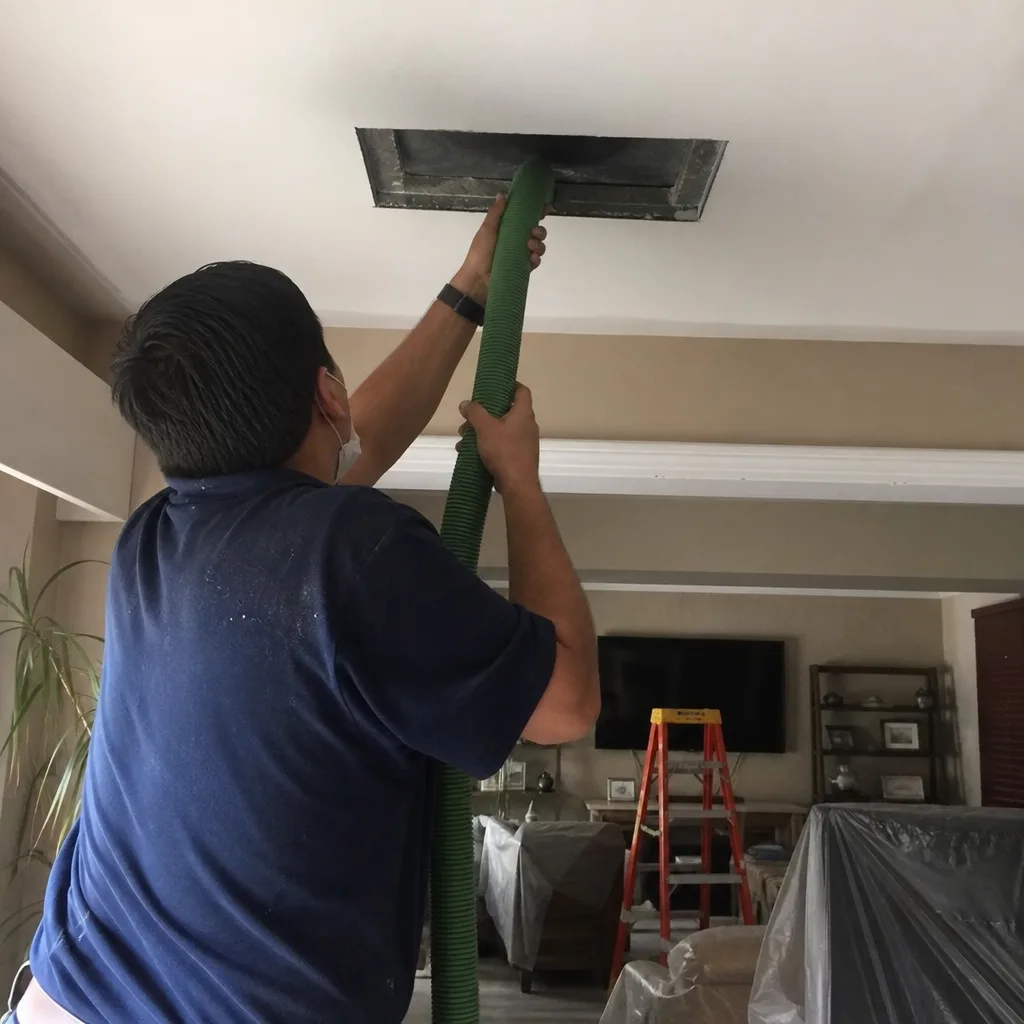
 Before
 After
 Before
 After
 Before
 After