
Last updated November 3, 2026
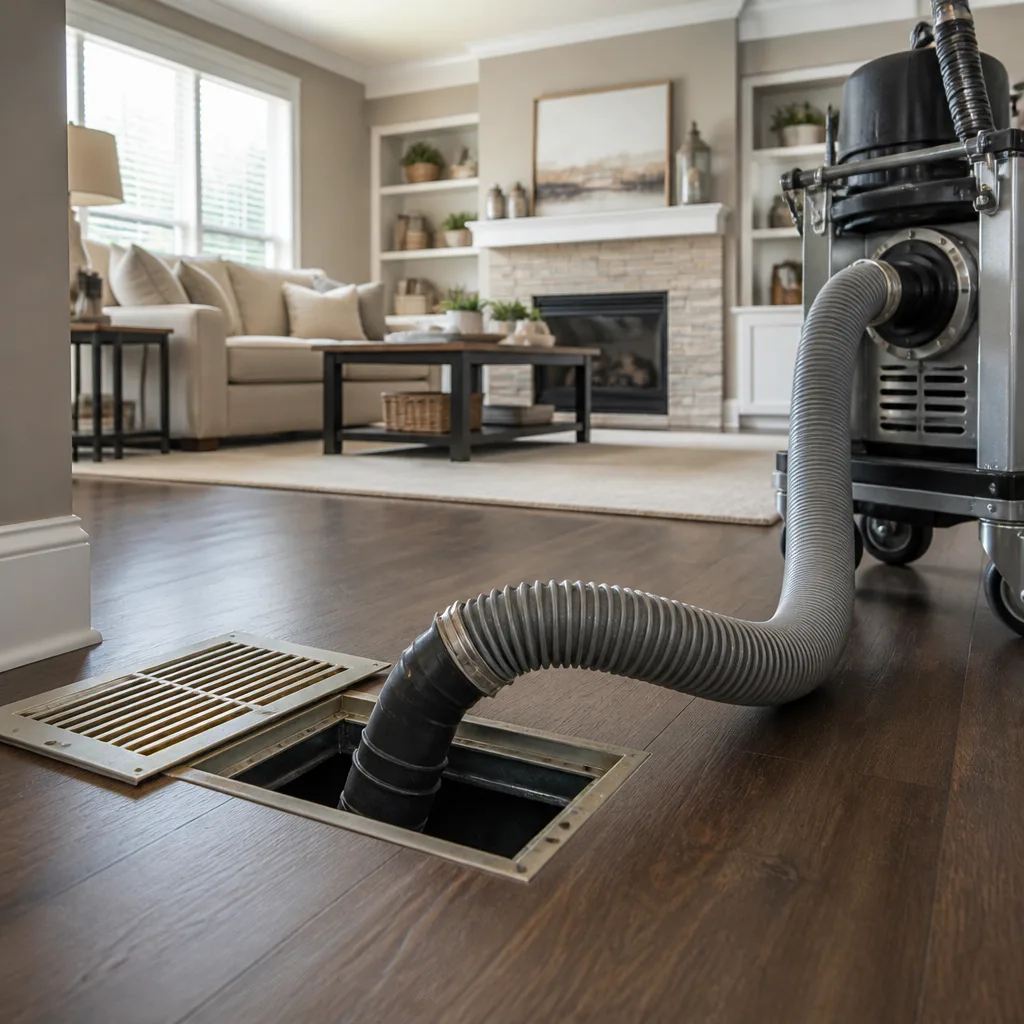 Whole-home duct cleaning
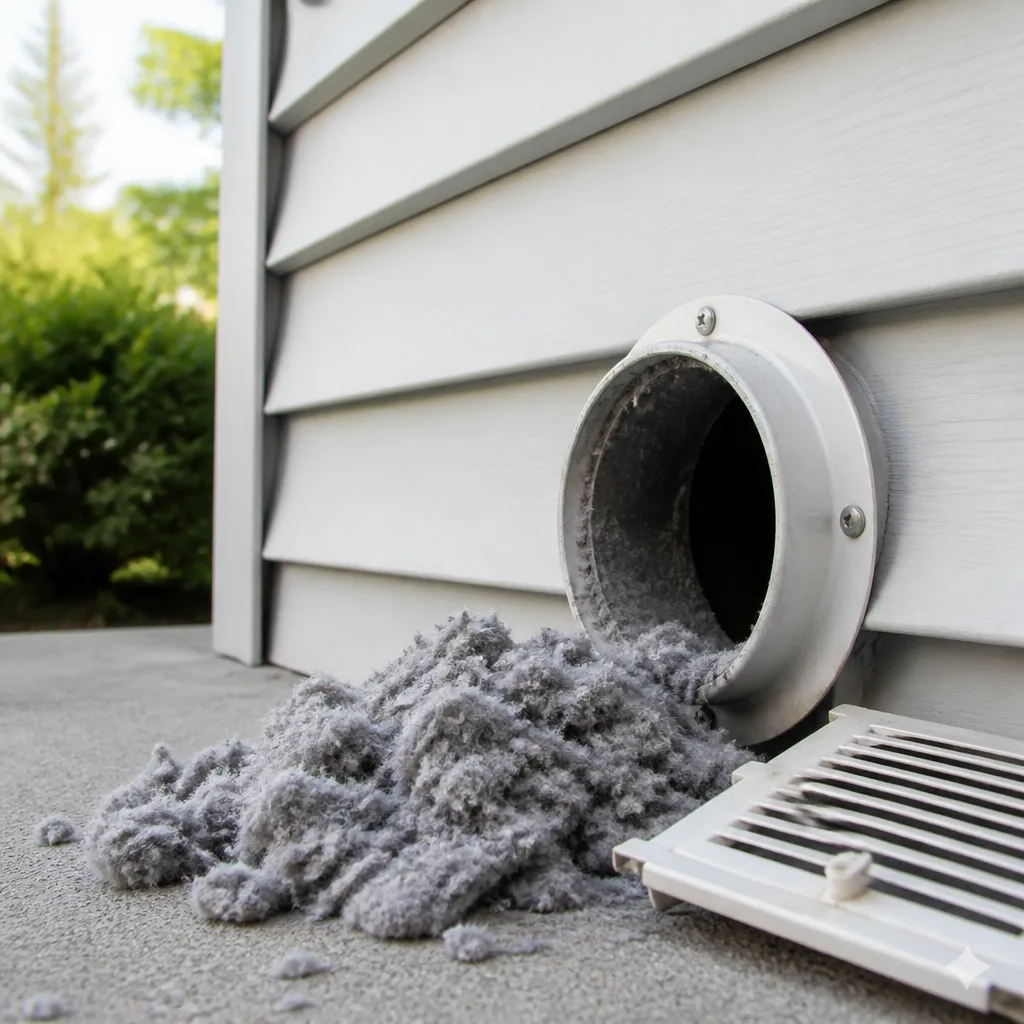 Dryer vent cleaning
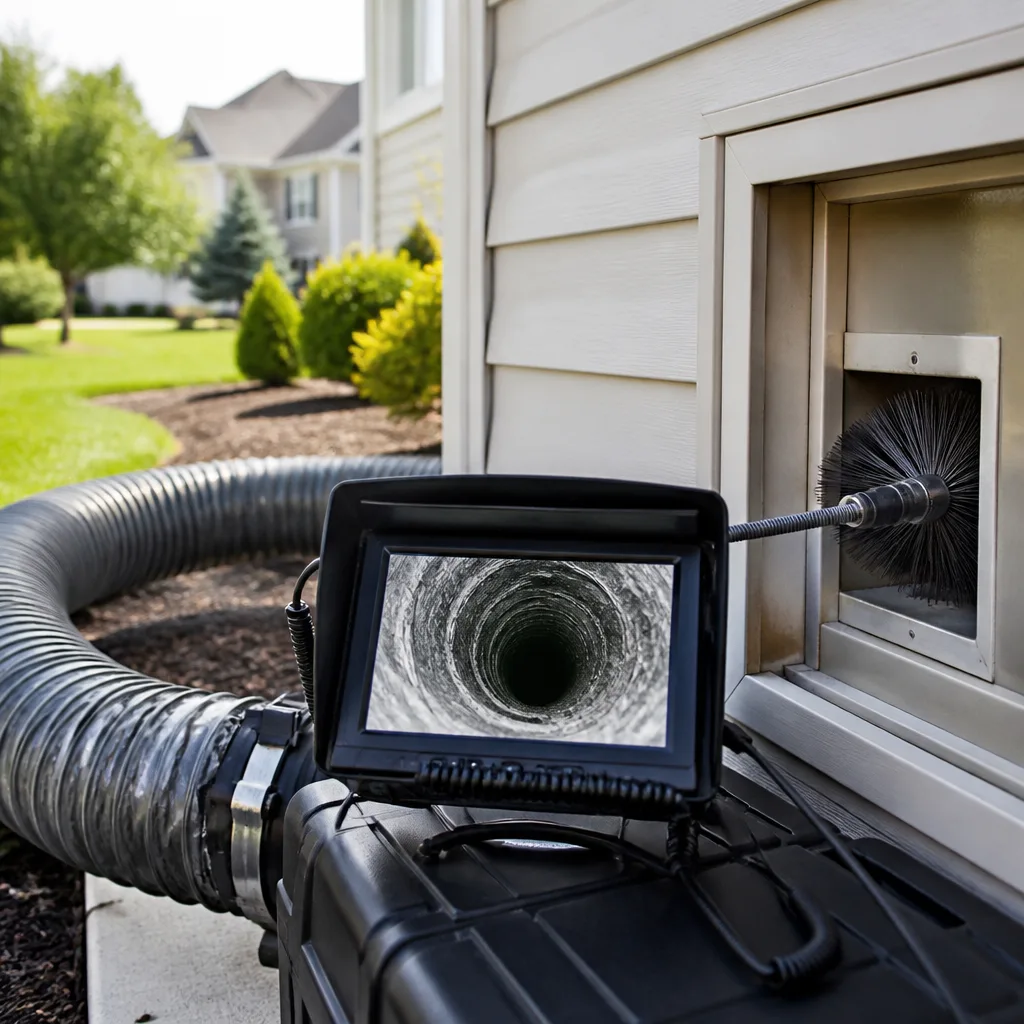 Camera inspection
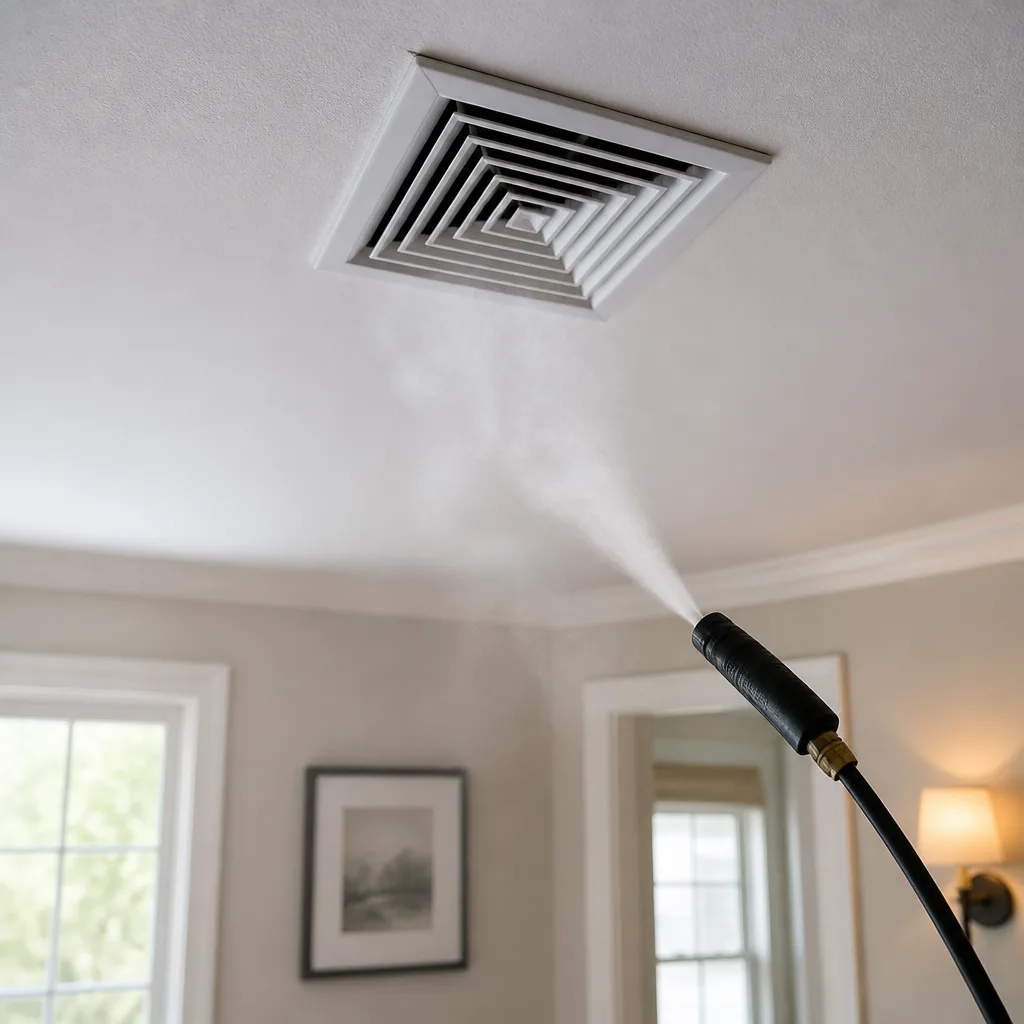 Sanitizing & deodorizing
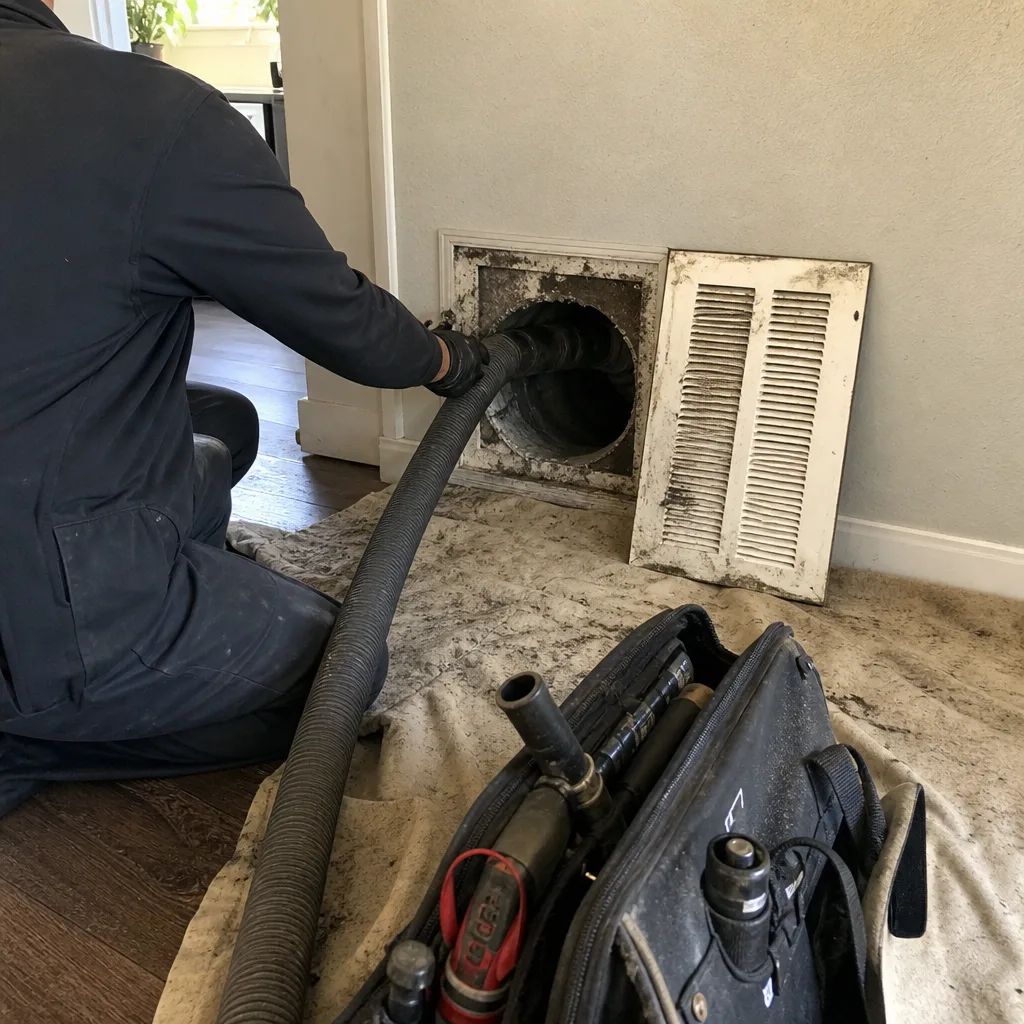
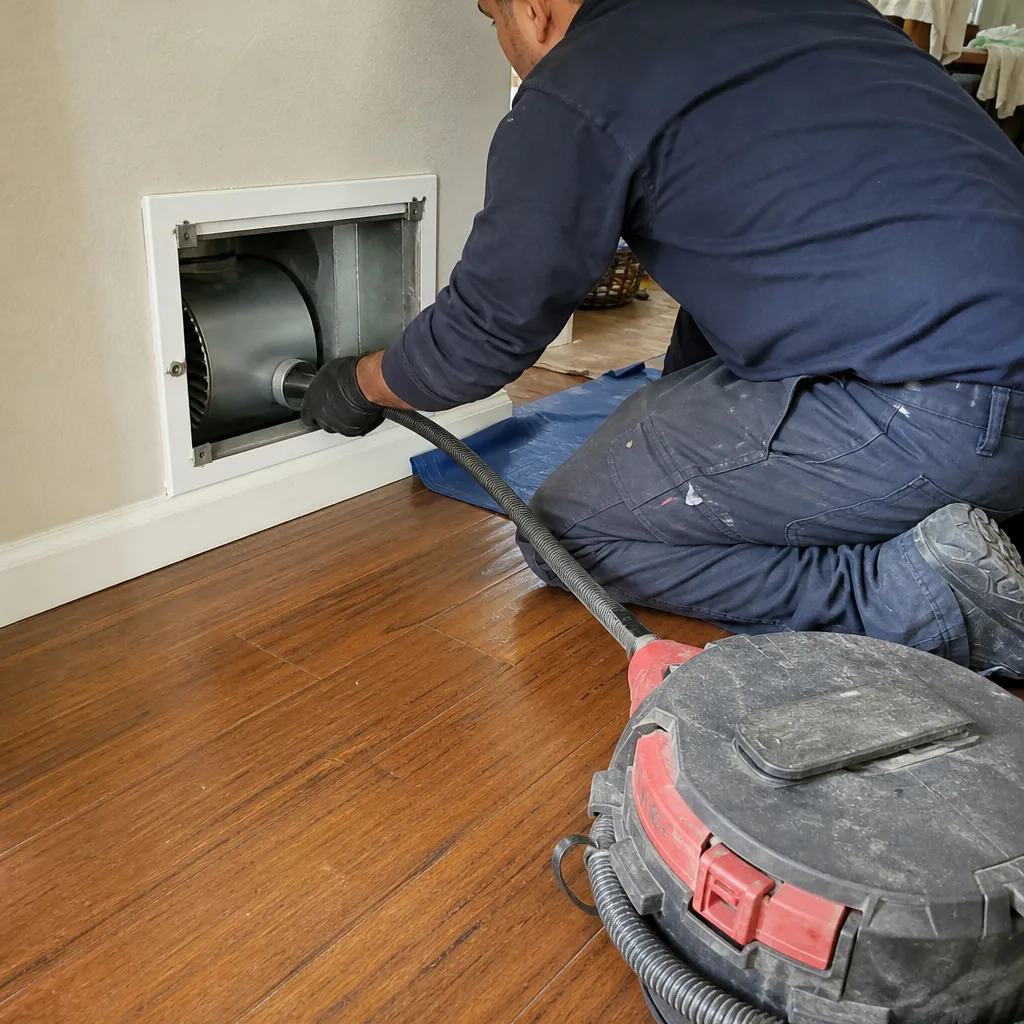
Whole-system duct and dryer vent check with before-and-after photos - you see exactly what came out of your vents
That "$99 whole-house special" is a bait ad - the real number appears once they are in your hallway, or the "clean" is a shop-vac at the register. We photograph the inside of your ducts before and after instead.
Choosing the Right Air Duct Cleaning Brand: A Buyer’s Guide for Mission Viejo
HEPA-filtered vacuum is a phrase that shows up in marketing for both a $300 portable shop unit and a $60,000 truck-mount system. The word HEPA describes a filter standard, not suction capacity, and blurring that difference is precisely what low-cost operators count on. This guide – along with The Complete Air Duct Cleaning Guide for Mission Viejo Homeowners – explains the actual equipment brands that separate professional duct cleaning from surface-level dusting, what each system is designed to do, and the specific questions Mission Viejo homeowners should ask before anyone rolls a van into the driveway. You’ll finish this page knowing more about duct cleaning equipment than most contractors expect a customer to know.
Styles & brands we work with
- Whole-home duct cleaning
- Dryer vent cleaning
- Camera inspection
- Sanitizing & deodorizing
Quick Answer
The right air duct cleaning brand in Mission Viejo is a company whose equipment list includes truck-mount or high-CFM portable units from Rotobrush, Nikro, or Abatement Technologies, not a generic shop vac with a HEPA label. Professional-grade extraction systems generate 2,000 to 12,000 CFM of airflow, enough to pull debris from the full duct run rather than the first few feet. Ask any company quoting the job for the specific vacuum model, its CFM rating, and whether a camera inspection is included before they finish.
Table of Contents
- The Equipment Brands That Define Professional Duct Cleaning
- Truck-Mount vs. Portable Units: What CFM Actually Tells You
- Why Air Handler Cleaning Requires Different Tools Than Duct Line Cleaning
- How to Verify Equipment Before You Book: Questions for the Quote Call
- Why Real Equipment Sets a Pricing Floor: The $99 Quote Problem
- What Mission Viejo’s Climate Means for Duct Contamination
- When Cleaning Isn’t Enough: Filtration Upgrades Worth Considering
- Common Mistakes to Avoid
- When to Call a Professional
- Frequently Asked Questions
- The Bottom Line
The Equipment Brands That Define Professional Duct Cleaning
Walk into any hardware store and you’ll find a dozen vacuums that claim HEPA filtration. None of them are designed to clean 80 feet of air duct. The difference comes down to airflow volume, measured in cubic feet per minute (CFM), and the agitation system that loosens debris from duct walls. Professional duct cleaning platforms solve both problems with a single integrated design: a powerful vacuum creates negative pressure inside the duct while a rotating brush or compressed-air whip physically dislodges years of accumulated dust, pet dander, and construction debris.
In Mission Viejo, where homes range from 1970s Lake Mission Viejo ranch styles to newer builds in Pacific Hills and Canyon Crest, duct configurations vary significantly. Older systems often have narrower returns and more joints, meaning debris accumulates faster and requires more aggressive agitation to remove. Newer homes may have longer flex-duct runs where a weak vacuum simply cannot overcome the static pressure loss across the distance. This is why equipment matters more than technique in most homes.
The three brands that define the professional tier are Rotobrush, Nikro, and Abatement Technologies. We use Rotobrush and Nikro systems in our Air Duct Cleaning services around Mission Viejo because each addresses a specific cleaning scenario that other equipment handles poorly.
Rotobrush: The Integrated Brush-and-Vacuum Standard
Rotobrush systems combine a rotating brush head with simultaneous vacuum extraction in one handheld unit. The brush head spins at high RPM to dislodge debris while the vacuum pulls it directly into a containment system at the point of contact. This design works well in residential duct runs where access points are limited and the technician needs to feed a hose through a register opening rather than cutting new access. The key specification to ask about is the vacuum motor’s CFM rating and whether the unit uses a true HEPA filter on the exhaust side, not just a pre-filter. Cheaper imitators use the same brush concept with a fraction of the airflow, which leaves loosened debris suspended in the duct to resettle within days.
Nikro: High-Volume Negative Air for Full-System Extraction
Nikro produces negative air machines and truck-mount systems built for whole-house depressurization. The approach differs from Rotobrush: instead of cleaning section by section through a single register, a Nikro unit connects to the main trunk line and pulls the entire duct system under negative pressure while agitation tools loosen debris from within each branch. This method captures fine particulate that escapes point-of-contact vacuuming, especially in flex-duct systems common in Mission Viejo’s hillside homes where branches run long distances from the air handler. Nikro’s HEPA-filtered negative air machines are also the tool of choice when contamination is the concern, which matters in homes with mold history or post-construction dust from a remodel.
Abatement Technologies: Contamination Control, Not Just Cleaning
Abatement Technologies builds containment and air-scrubbing equipment originally designed for hospital construction and asbestos abatement. In a residential duct cleaning context, their HEPA air scrubbers do something a standard vacuum cannot: they filter room air continuously while work proceeds, capturing airborne particles that get stirred up during the cleaning process. For a Mission Viejo homeowner dealing with a mold remediation follow-up, severe allergy triggers, or the aftermath of a major renovation in areas like Casta del Sol or California Court, Abatement equipment signals that the contractor takes airborne contamination seriously. This is not standard equipment for discount duct cleaners.
Truck-Mount vs. Portable Units: What CFM Actually Tells You
CFM, or cubic feet per minute, measures how much air a vacuum moves. It is the single most important number in duct cleaning equipment, and almost no homeowner asks about it. Here’s the practical difference: a shop vac moves 100 to 300 CFM. A professional portable unit moves 1,500 to 3,000 CFM. A truck-mount system moves 8,000 to 12,000 CFM. The ductwork in a typical Mission Viejo home has static pressure losses at every bend, joint, and register, so the vacuum at the end of a 40-foot flex run might see only 30 to 40 percent of the rated CFM. Start with 300 CFM and you’re pulling practically nothing by the time you reach the far bedroom register.
Truck-Mount Systems
Truck-mount systems house the vacuum motor, filtration, and debris collection in the vehicle, connected to the home through a large-diameter hose. The advantages are raw airflow and containment: everything collected ends up in the truck, not recirculated into the living space. The hose diameter, typically 8 to 12 inches, allows high-volume airflow that portable units cannot match. The limitation is access. A truck parked on a steep Mission Viejo hillside street may be 150 feet from the air handler, and that hose length eats into the airflow advantage. In practice, truck-mount excels on shorter single-family homes with driveway or curb access close to the mechanical closet.
Portable Professional Units
Professional portable units like the Rotobrush and larger Nikro machines sit inside the home, usually near the main return. A well-designed portable unit in the 2,000 CFM range handles most Mission Viejo homes effectively, particularly because the hose length to the air handler is short when the unit sits right next to it. The tradeoff is containment: all the filter media, pre-filters, and debris collection happen inside the home. A properly equipped technician runs the unit’s exhaust through a HEPA filter and lays down containment protection, which brings us to the products that matter. Guardsman-grade protective products used during the service process keep carpet, flooring, and the area around each register from becoming a dust transfer zone. If a contractor shows up without protective floor coverings, that’s a signal about how seriously they take the containment side of the work.
Why Air Handler Cleaning Requires Different Tools Than Duct Line Cleaning
A duct cleaning job that only addresses the line runs misses the most contaminated surface in the system: the air handler itself. The evaporator coil, blower wheel, and blower housing collect a dense layer of dust, skin cells, and moisture-driven biological growth that the straight duct runs never see. In Mission Viejo’s coastal-influenced climate, where humidity levels rise in the summer and marine layer mornings bring moisture into unconditioned spaces, air handler contamination tends to happen faster than in drier inland areas like Temecula or Menifee.
Cleaning an air handler properly requires different tools than duct line cleaning. A rotating brush designed for 8-inch round ducts cannot safely access the coil fins without bending them, which reduces system efficiency. The correct approach uses coil cleaning agents formulated for evaporator coils, low-pressure water or solvent flushing, and a wet vacuum to capture the runoff without flooding the secondary drain pan. Blower wheels need to be pulled, inspected, and cleaned separately. None of this happens with a standard duct cleaning setup, and discount operators routinely skip the air handler entirely while charging less than half of a proper service. The cost difference is not markup; it’s the labor and equipment required to do the part of the job that actually affects indoor air quality.
We clean the entire duct path, including the air handler, because cleaning branch lines while leaving a loaded coil in place is like washing the streets around a landfill and calling the neighborhood clean. When the blower pushes air across a contaminated coil, that air picks up whatever is living on the coil and delivers it to every room. And if the work reveals a damaged section of duct, our Air Duct Repair service handles it in the same visit. Most companies that only clean will refer you out for repairs, which means waiting days or weeks for a second contractor while your system stays compromised.
How to Verify Equipment Before You Book: Questions for the Quote Call
You should not need to be an equipment expert to hire a duct cleaner. You need to ask three or four questions that reveal whether the company owns professional tools or rents a shop vac. Here is the step-by-step approach that works on any quote call, and it’s the same process we recommend for Mission Viejo homeowners comparing bids. For more guides & resources, see our blog.
- Ask for the specific vacuum model and CFM rating. Any company using professional equipment can answer this in two seconds. The answer should name a brand like Rotobrush or Nikro and a CFM figure above 1,500 for portable systems or above 8,000 for truck-mount. “We use commercial-grade equipment” with no model number is not an answer.
- Ask whether the air handler, coil, and blower are included in the standard price. If the answer is vague or the coil is a separate line item, ask why. The air handler is not an upgrade. It’s the core of the system.
- Ask whether a camera inspection is included before and after the work. Pre-cleaning camera footage documents what is actually inside your ducts, which matters because Mission Viejo homes built in the 1980s and 90s often have never been cleaned. Post-cleaning footage proves the result. If a company won’t provide camera verification, you’re buying their word and nothing else.
- Ask what containment and filtration products they use inside the home. The answer should include floor protection and HEPA filtration at minimum. Guardsman-grade protective products are a strong signal. A company that plans to work over your carpet with no containment is not a professional service.
The tone of the answers tells you as much as the content. A technician who knows their equipment model numbers and can explain why they chose a particular system for Mission Viejo homes is a specialist. A salesperson who pivots to price and “great ratings” when asked about CFM is not.
Why Real Equipment Sets a Pricing Floor: The $99 Quote Problem
The economics of duct cleaning equipment explain why cheap quotes are cheap. A professional Rotobrush or Nikro unit costs $15,000 to $40,000 new, and a truck-mount system with Abatement-grade HEPA filtration can run $60,000 or more. The company that owns this equipment also pays for maintenance, filter replacement, insurance, and a technician who knows how to operate the system without damaging ductwork. None of that fits into a $99 whole-house service. It barely fits into $399 in a market like Orange County, where labor and fuel costs rank among the highest in the country.
When a Mission Viejo homeowner sees a $99 or $149 duct cleaning coupon, the math behind that price works out to about 20 minutes of per-vent effort with a portable unit that pulls under 300 CFM. The technician may spend an hour in the home, visually clean the register covers that you can see, and leave the actual duct runs untouched. The homeowner has paid for a demonstration, not a service. This is the industry’s bait-and-switch reputation in action: a low entrance price that becomes a larger invoice once the technician identifies “additional issues” the coupon did not cover.
The pricing floor for genuine professional duct cleaning in Mission Viejo reflects real equipment, real training, and real time. A 2,500-square-foot home with 15 to 20 registers takes a two-person crew four to six hours when the air handler, coil, blower, and every branch line are included. At Orange County labor rates, that is a $600 to $1,200 job before any filtration upgrades or repairs. Companies quoting beneath that floor are either cutting scope, using rental-grade tools, or planning to upsell aggressively on site. The honest alternative is a single flat price per system agreed before work starts, with the scope written down. That’s how we structure our own estimates for Mission Viejo homes, as detailed in The Complete Air Duct Cleaning Guide for Mission Viejo Homeowners, because the homeowner deserves to know the full cost before the van pulls up, not after.
This same principle applies across South Orange County, where pricing structures and home ages vary. We serve homes from San Juan Capistrano’s older ranch-style duct systems to newer developments, and the equipment requirements remain consistent: professional airflow, full-system scope, and camera-verified results.
What Mission Viejo’s Climate Means for Duct Contamination
Mission Viejo sits inland enough to avoid the constant coastal fog of Laguna Beach, but close enough to the Pacific to get marine layer mornings during May and June. The result is a microclimate with cooler summer nights and higher relative humidity than neighborhoods further east. Homes in areas like Evergreen Lake, El Dorado, and Aegean Hills experience condensation inside ductwork during temperature swings, particularly in unconditioned attics where the duct surface temperature drops below dew point. That moisture binds dust into a film that resists dry brushing and creates a friendly environment for microbial growth.
Add to this the region’s wildfire season. Smoke from fires in the Cleveland National Forest or the Santa Ana Mountains carries fine particulate that enters homes through ventilation and gets pulled into the return ducts. After a smoke event, that particulate settles inside the duct lining and stays there until mechanical cleaning removes it. Standard household filtration catches a fraction of it before the return, but once it’s inside the duct system, it rests on the walls and resuspends into the air stream every time the blower cycles. Mission Viejo homeowners who notice a lingering campfire smell in their HVAC airflow weeks after a fire event are smelling resuspended particulate in the ductwork.
Construction dust adds a third source. Mission Viejo has seen steady renovation activity across neighborhoods like Pacific Hills and Stoneridge, and drywall dust from a neighbor’s remodel travels on the air. It is fine enough to pass through standard 1-inch filters, and electrostatic attraction makes it cling to duct walls and the blower wheel. A post-construction duct cleaning after your own remodel should be standard practice, not an add-on. The debris from drywall sanding, flooring, and demolition sits in the ducts and continues to return to the living space for months if not extracted.
For homeowners dealing with these Mission Viejo-specific contamination sources, our air duct cleaning service includes the air handler, coil, and blower as standard scope, because skipping any one of them leaves the source of the problem in place.
When Cleaning Isn’t Enough: Filtration Upgrades Worth Considering
A clean duct system is the baseline. Filtration determines how fast it gets dirty again and what reaches the living space between cleanings. This is where the brand conversation shifts from cleaning equipment to air quality products, and it’s a conversation worth having if anyone in the home deals with allergies, asthma, or respiratory sensitivity.
The standard 1-inch fiberglass filter that most Mission Viejo homes run is designed to protect the equipment, not the people. It stops large particles that would damage the blower and coil, but lets through most of the fine particulate that triggers allergy symptoms. Upgrading to a media filter cabinet from Aprilaire or Honeywell changes the equation. These are 4- to 5-inch pleated filters with dramatically more surface area, which means better capture efficiency without the airflow restriction of a high-MERV 1-inch filter. A higher MERV rating on a thin filter typically chokes airflow, raising energy bills and stressing the blower. A deep media filter achieves high MERV without that penalty.
We supply and install Aprilaire and Honeywell air-quality products because these brands have decades of engineering behind their filtration media and bypass designs. The benefit of having the same company clean the ducts and install the filtration upgrade is scope: the technician can assess the actual duct dimensions, return size, and blower capacity during the cleaning visit and recommend a filter cabinet that matches the system’s static pressure limits. An improperly sized media filter installed by someone who never saw the air handler can restrict airflow enough to reduce system efficiency by 10 to 15 percent, which in a Mission Viejo summer means a hotter upstairs and a higher SCE bill.
The brands behind the work matter here as much as they do on the cleaning side. A Honeywell or Aprilaire media cabinet is a legitimate long-term air quality investment. A no-name 4-inch filter from a discount supplier may look identical and perform like a 1-inch filter after three months. If the company installing the filtration cannot name the filter media spec and MERV rating, they’re not adding value beyond what you could buy at a home center.
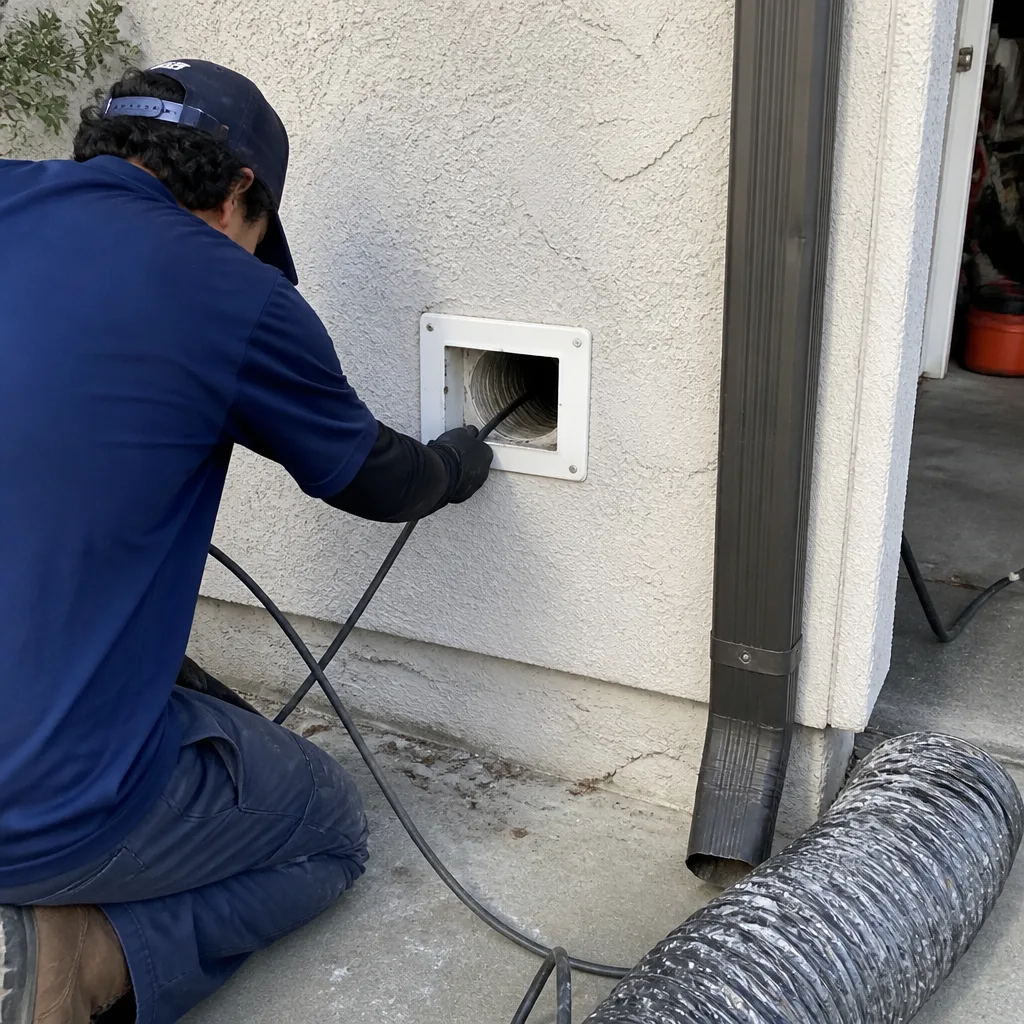
For Mission Viejo homeowners in areas like Lake Forest Gate or Palmia where HOA restrictions can complicate window ventilation, a properly matched Aprilaire or Honeywell filtration system does the work that open windows cannot, especially during fire season when outdoor air is the last thing you want coming in. And for homes with high laundry usage, our dedicated Dryer Vent Cleaning service addresses a different air path that most duct cleaners ignore: the one carrying lint out of the house, where airflow restriction is a fire risk rather than an allergy issue.
Common Mistakes to Avoid
- Choosing a company by price first. Equipment, training, and full-scope cleaning have a real cost in Orange County, and quotes below $400 for a whole-home service mean something is being cut. Ask what the price includes before comparing numbers.
- Assuming “HEPA” means powerful. HEPA describes filter efficiency, not airflow. A 200-CFM shop vac with a HEPA filter is still a shop vac. Ask for the CFM rating and the vacuum model.
- Accepting a quote without a camera inspection. Mission Viejo homes have never been cleaned in many cases, and the only way to verify that is with before-and-after video. A company that won’t show you the inside of your ducts is asking you to trust them blindly.
- Skipping the air handler and coil. The branch lines are only half the job. A loaded evaporator coil re-contaminates clean ducts within weeks. Confirm the air handler is included in the base price, not as an upgrade.
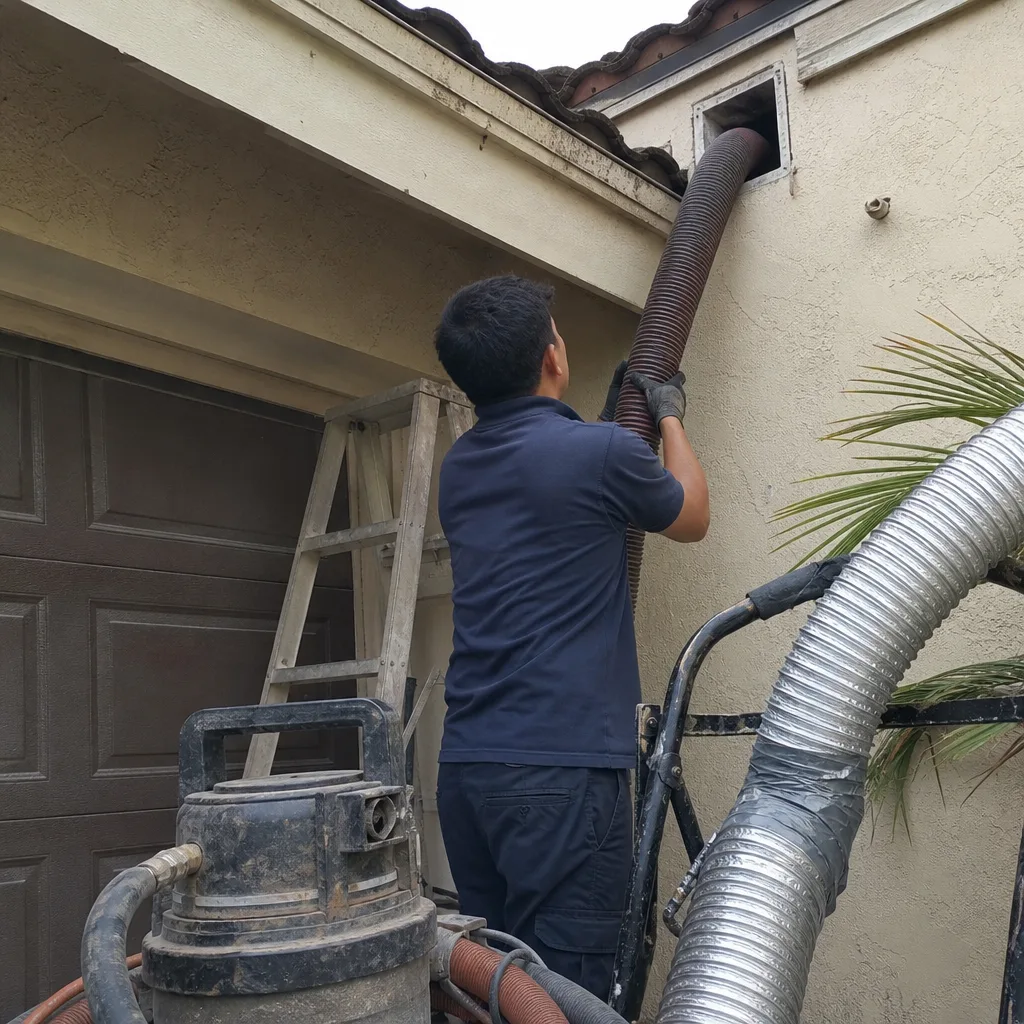
- Ignoring the dryer vent. A clogged dryer vent is a leading cause of residential fires, and it is a separate service from duct cleaning. Homes in Mission Viejo with long vertical vent runs through the roof are especially prone to lint accumulation.
- Waiting for a problem to appear. By the time dust is visibly blowing from registers or a musty smell comes through the vents on startup, the contamination is severe. Every three to five years is a reasonable interval for most Mission Viejo homes, more often after a remodel or smoke event.
- Believing duct cleaning is a scam. The scam is the $99 version that cleans nothing and the pressure-sale version that invents mold problems. A proper cleaning with camera verification and professional equipment delivers a measurable result.
When to Call a Professional
Call when you can see the problem, and call when you cannot. Visible dust puffing from registers on startup, allergen symptoms that spike at home and ease while away, musty odor when the HVAC runs, or rising energy bills with no other explanation all point to a contaminated duct system. After a remodel, after a nearby wildfire, or after moving into a home where the previous owner’s cleaning history is unknown, a professional assessment is the fastest way to know what you’re breathing. Duct Cleaning Mission Viejo offers free estimates in Mission Viejo, and the estimate includes a camera inspection so you can see the condition before you commit. Call (833) 593-4407 to schedule one.
Frequently Asked Questions
A full-system cleaning for a typical Mission Viejo home, including the air handler, coil, blower, and all branch lines, runs between $600 and $1,200 depending on home size, register count, and system configuration. Quotes below $400 in Orange County mean reduced scope or rental-grade equipment. Call (833) 593-4407 for a camera-verified estimate on your specific home.
Cheap quotes come from cheap equipment and reduced scope. A rental-grade portable unit under 300 CFM, register covers wiped but ducts untouched, and an air handler that never gets opened all fit inside a $99 price point. Professional Rotobrush and Nikro systems cost $15,000 to $40,000, and the labor to use them properly is a four-to-six-hour job. The savings in a cheap quote are subtracted from the actual cleaning.
Ask for camera footage before and after the service and compare the duct walls in both recordings. Pre-cleaning footage of a Mission Viejo home that has never been cleaned will show visible debris accumulation. Post-cleaning footage should show the bare metal or flex duct lining. A company that cannot provide both has not documented its work.
Most Mission Viejo homes need duct cleaning every three to five years, with shorter intervals after a remodel or a wildfire smoke event that left particulate in the return system. Homes with pets, allergies in the family, or smokers may run closer to the three-year mark. A camera inspection is the honest way to determine your home’s interval rather than following a schedule set by a marketing department.
Professional companies use integrated brush-and-vacuum systems like Rotobrush, high-volume negative air machines like Nikro, or truck-mount systems rated over 8,000 CFM. The specific brand matters less than the CFM rating and whether the air handler is included in scope. Ask for the model number and airflow spec on the quote call, and be suspicious of vague answers. Call (833) 593-4407 to ask us directly.
No, dryer vent cleaning is a separate service with a different purpose and different equipment. The dryer vent carries lint and heat from the dryer to the exterior, and airflow restriction there is a fire risk. Homes in Mission Viejo with vertical vent runs through the roof are especially prone to lint buildup. We offer dryer vent cleaning as a distinct service, and we recommend it whenever the dryer vent has not been inspected in more than two years.
Yes, with the caveat that the air handler must be included in the cleaning. Ducts contain dust, pollen, and pet dander, but the evaporator coil and blower wheel collect a wetter, denser contamination layer that resuspends into the air stream. Cleaning the full path reduces the particulate load substantially, and pairing the cleaning with an Aprilaire or Honeywell media filter keeps the reduction in place. For Mission Viejo homeowners whose symptoms spike at home and improve away, the duct system is the most likely source.
The Bottom Line
The duct cleaning company you hire is really a choice about equipment, scope, and documentation. Mission Viejo homeowners who ask for the vacuum model, confirm the air handler is included, and insist on camera verification will get a real cleaning whether they hire us or a competitor who can honestly answer those questions. The brands matter because Rotobrush, Nikro, and Abatement Technologies exist for a reason: they solve specific extraction and containment problems that rental-grade equipment cannot. Better air starts inside the ducts, and the only way to improve it is with tools that actually reach the contamination. Call (833) 593-4407 for a free estimate with camera inspection, and see what is actually inside your ducts before you decide anything.
Written by the team at Duct Cleaning Mission Viejo, serving Mission Viejo since 2017.
See the difference
 Before
 After
 Before
 After
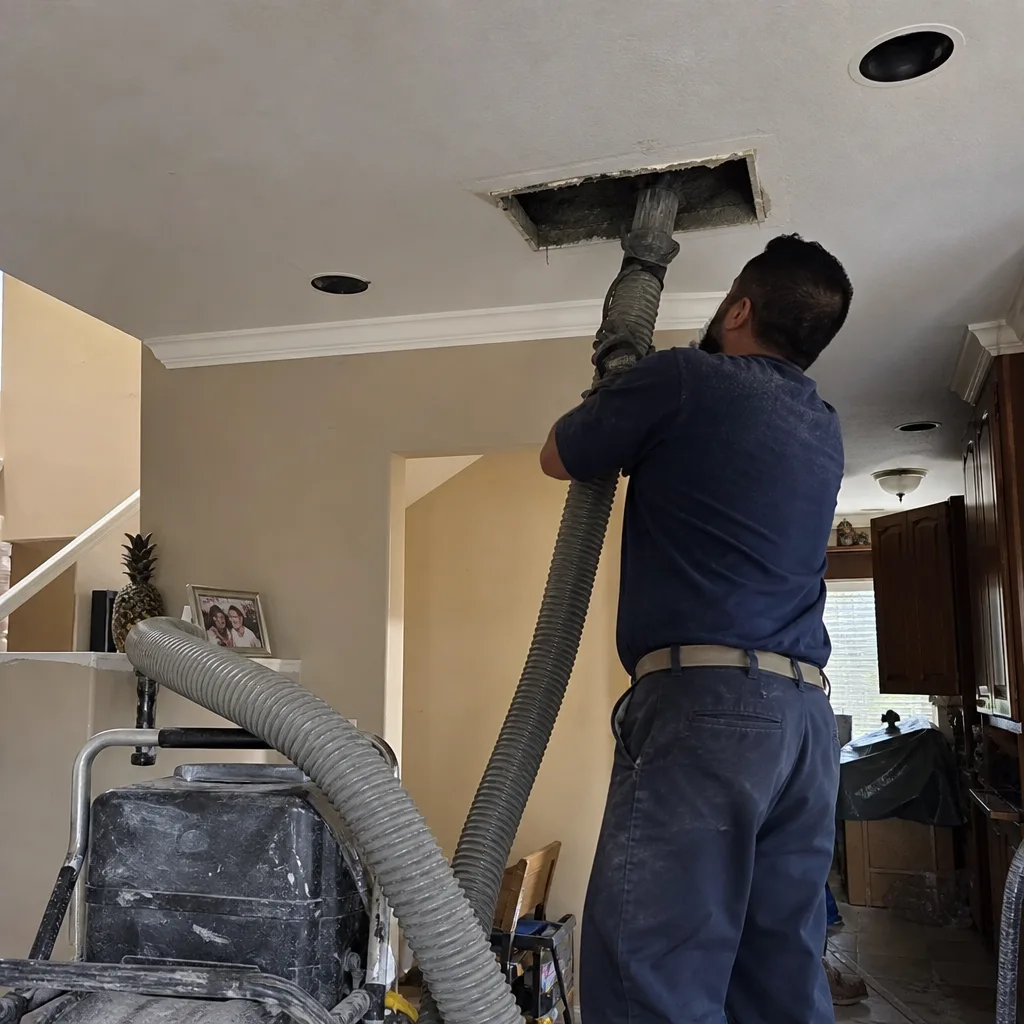 Before
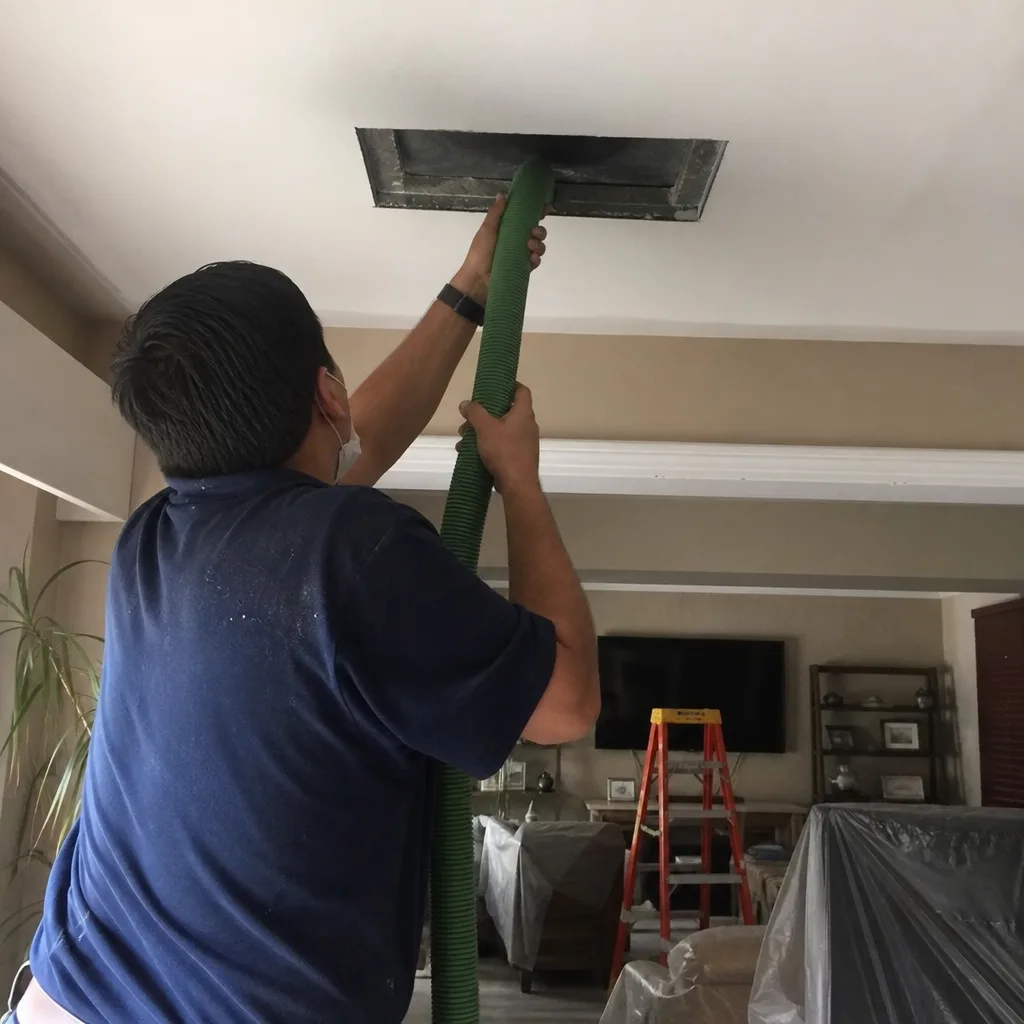 After