
Last updated November 2, 2026
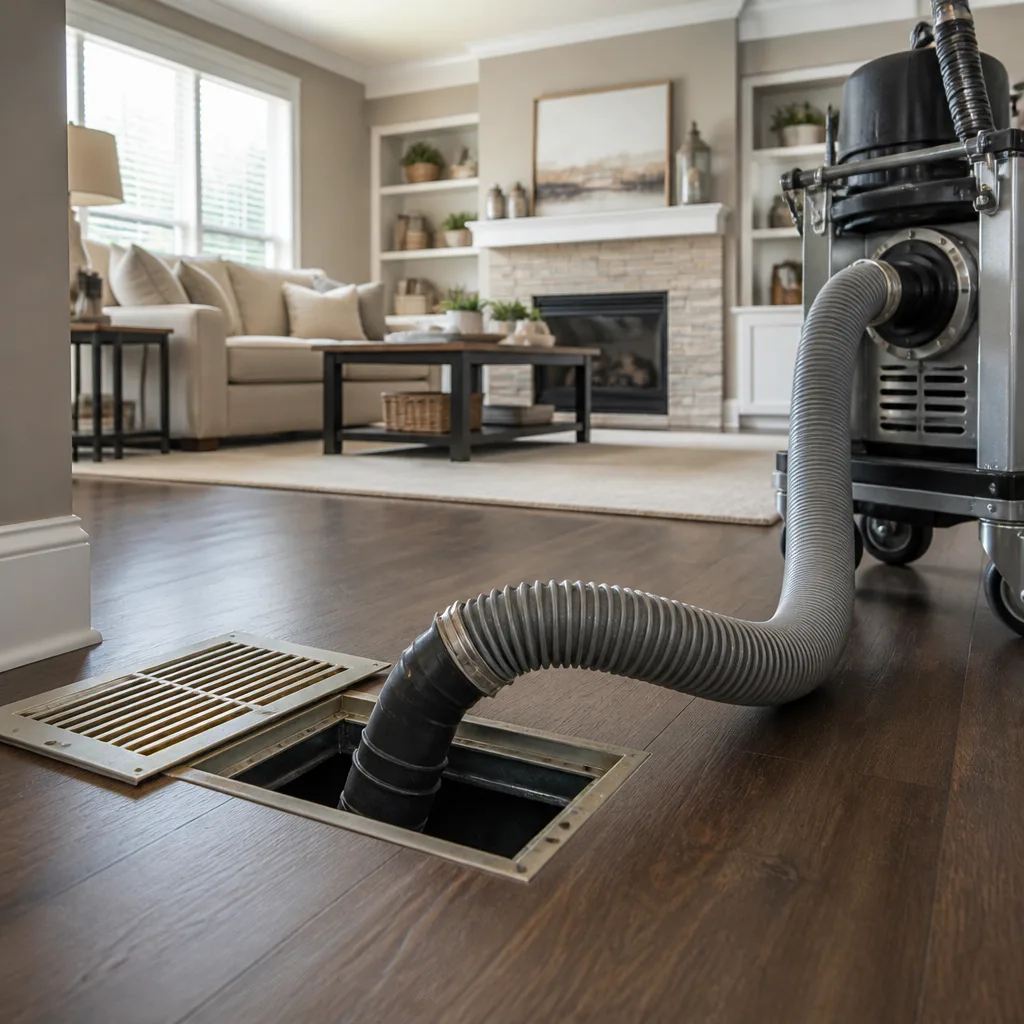 Whole-home duct cleaning
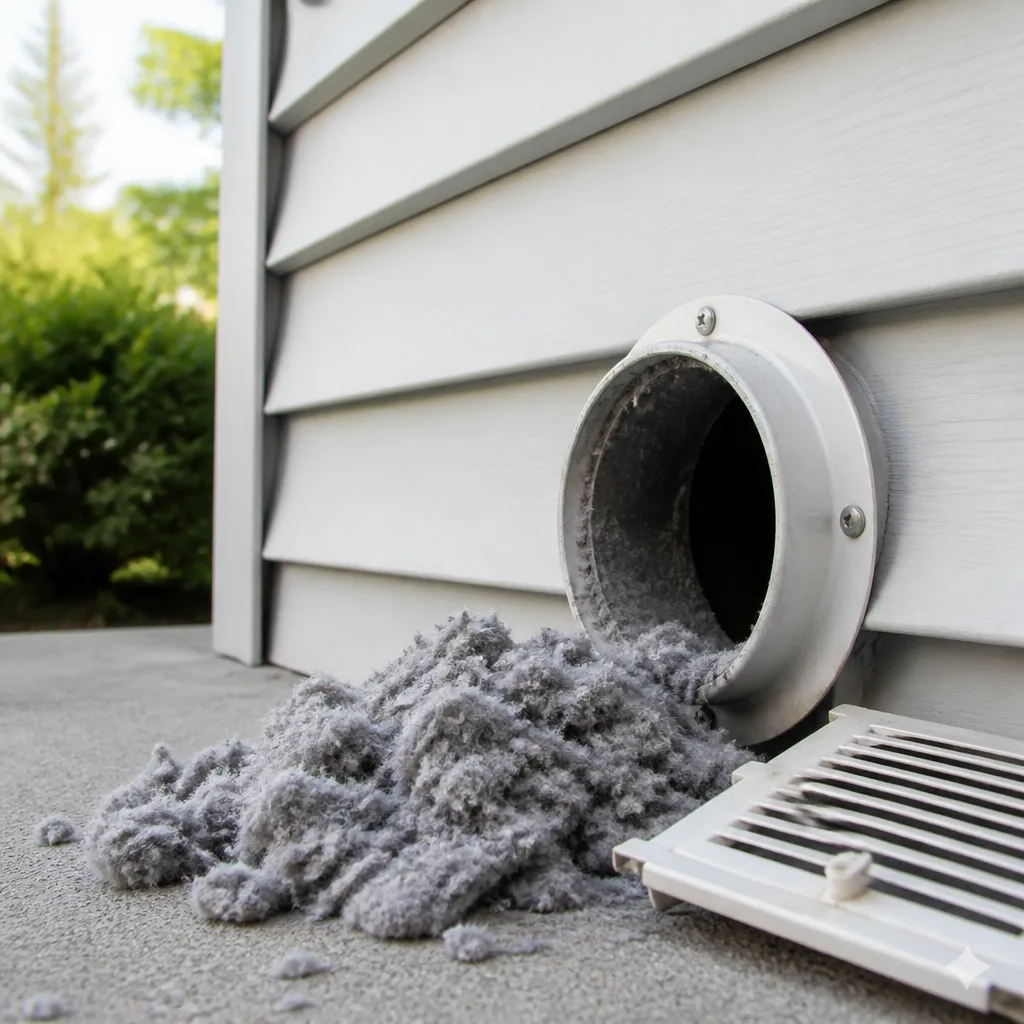 Dryer vent cleaning
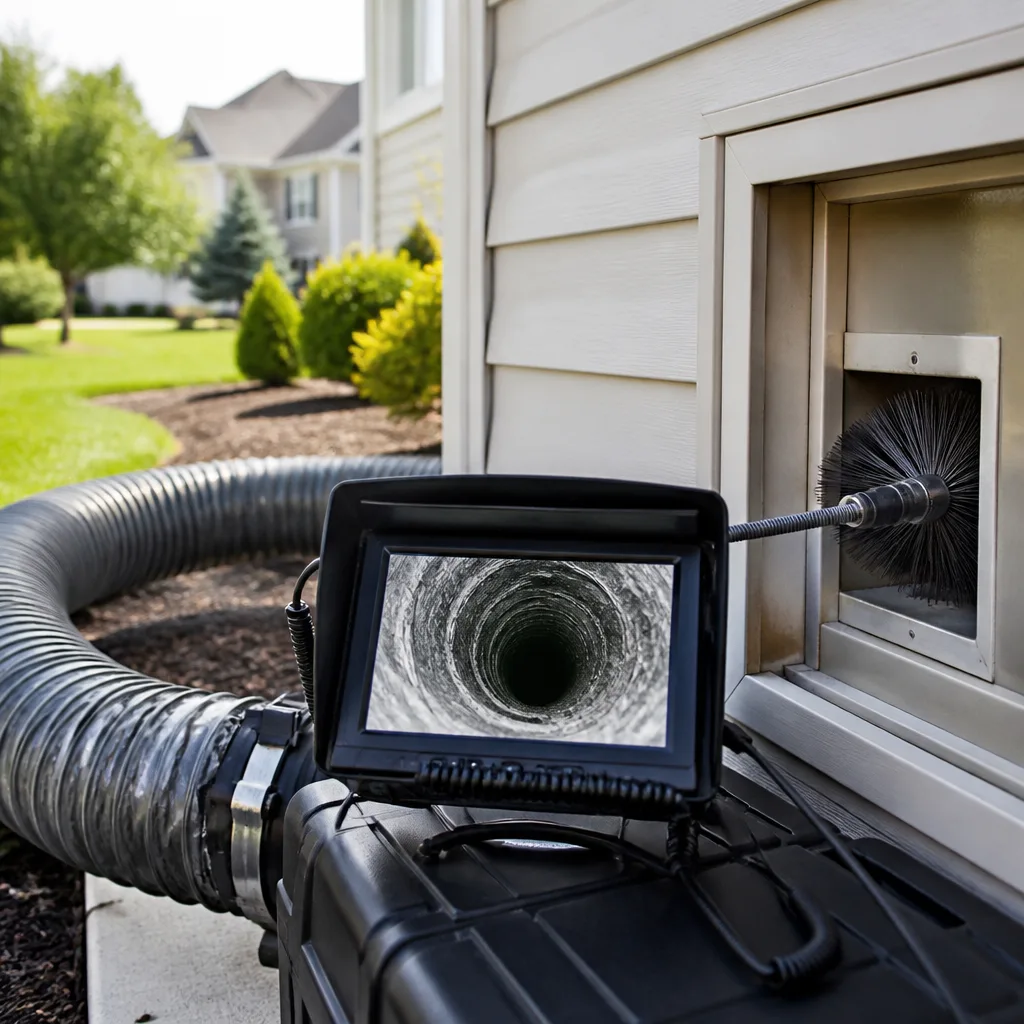 Camera inspection
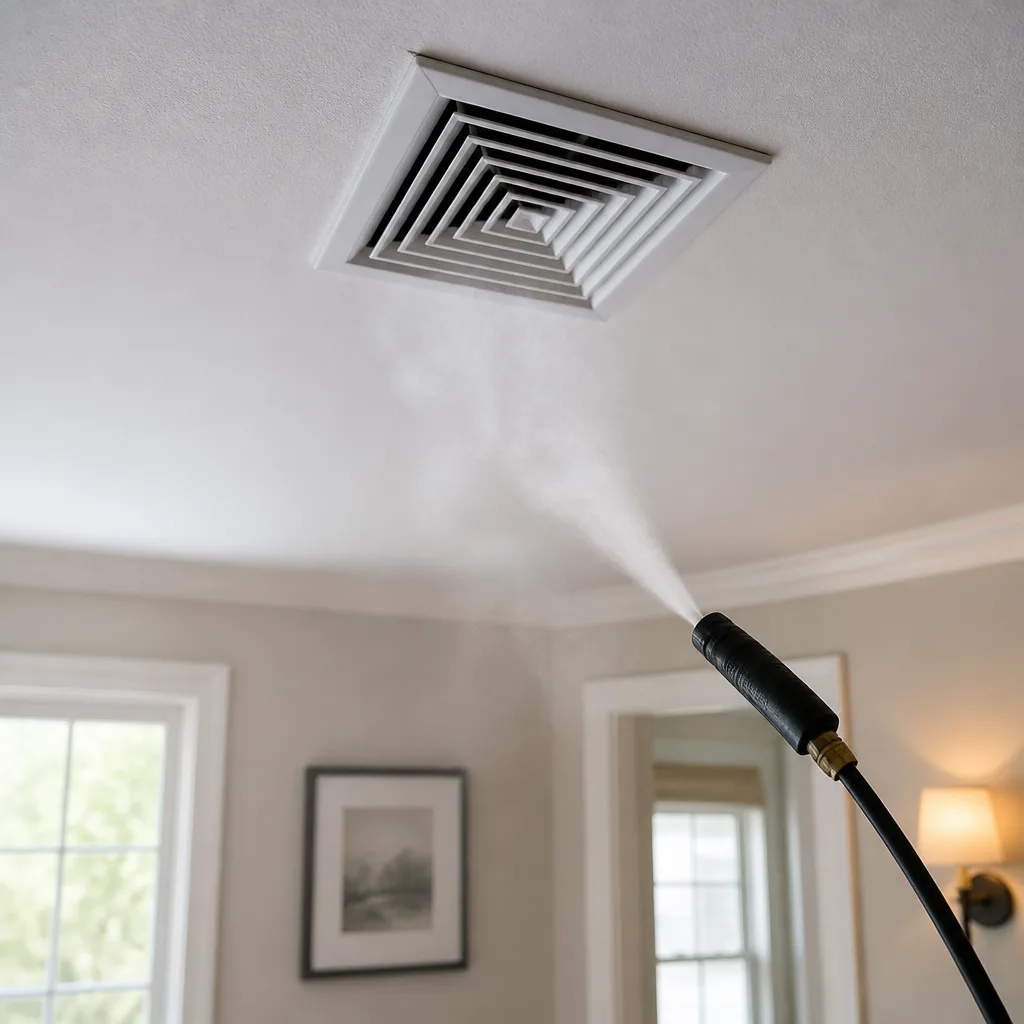 Sanitizing & deodorizing
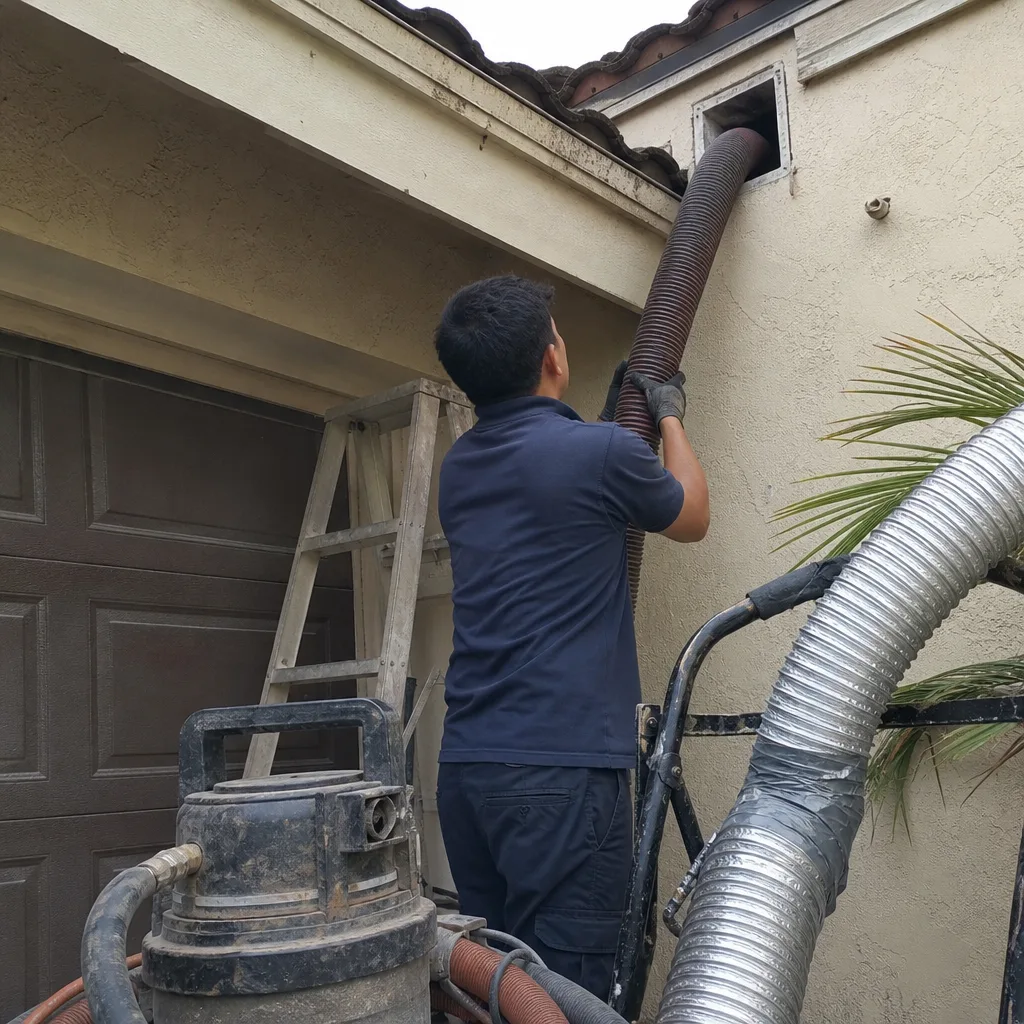
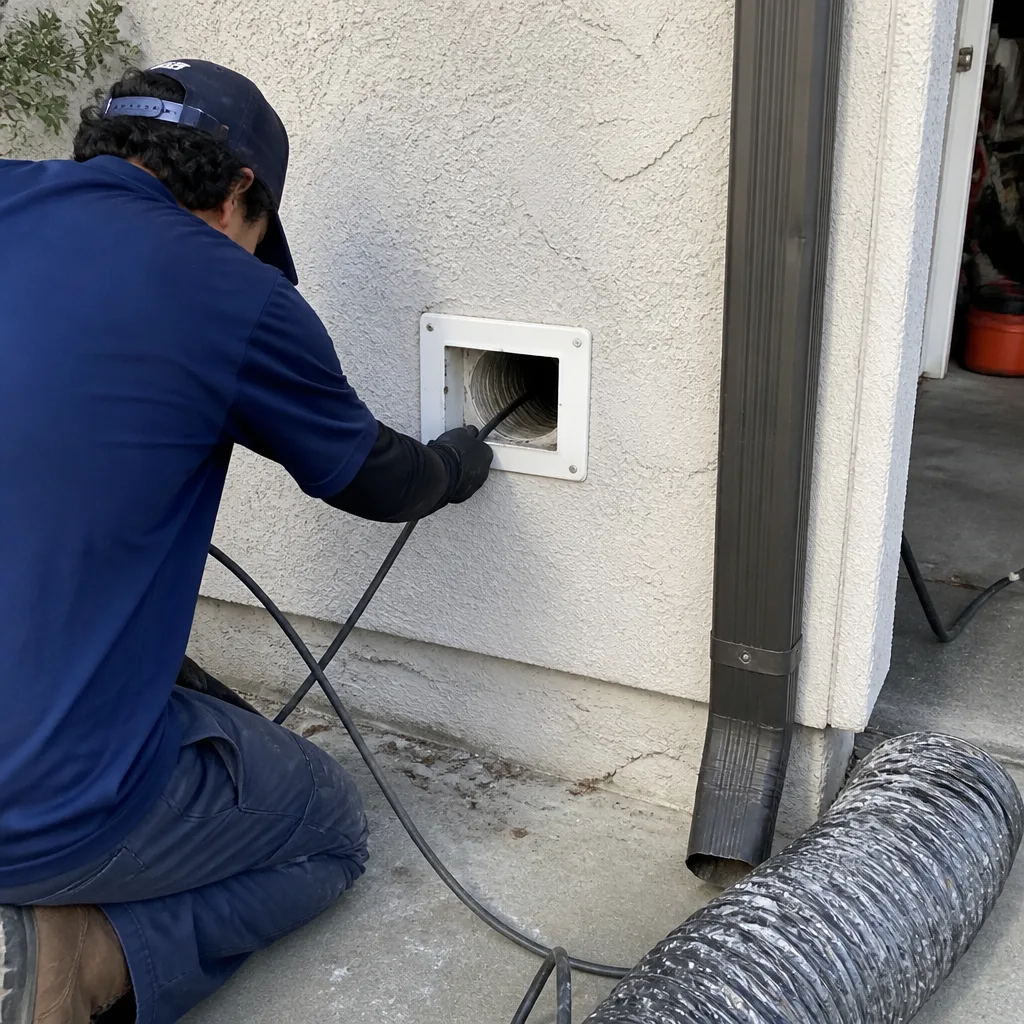
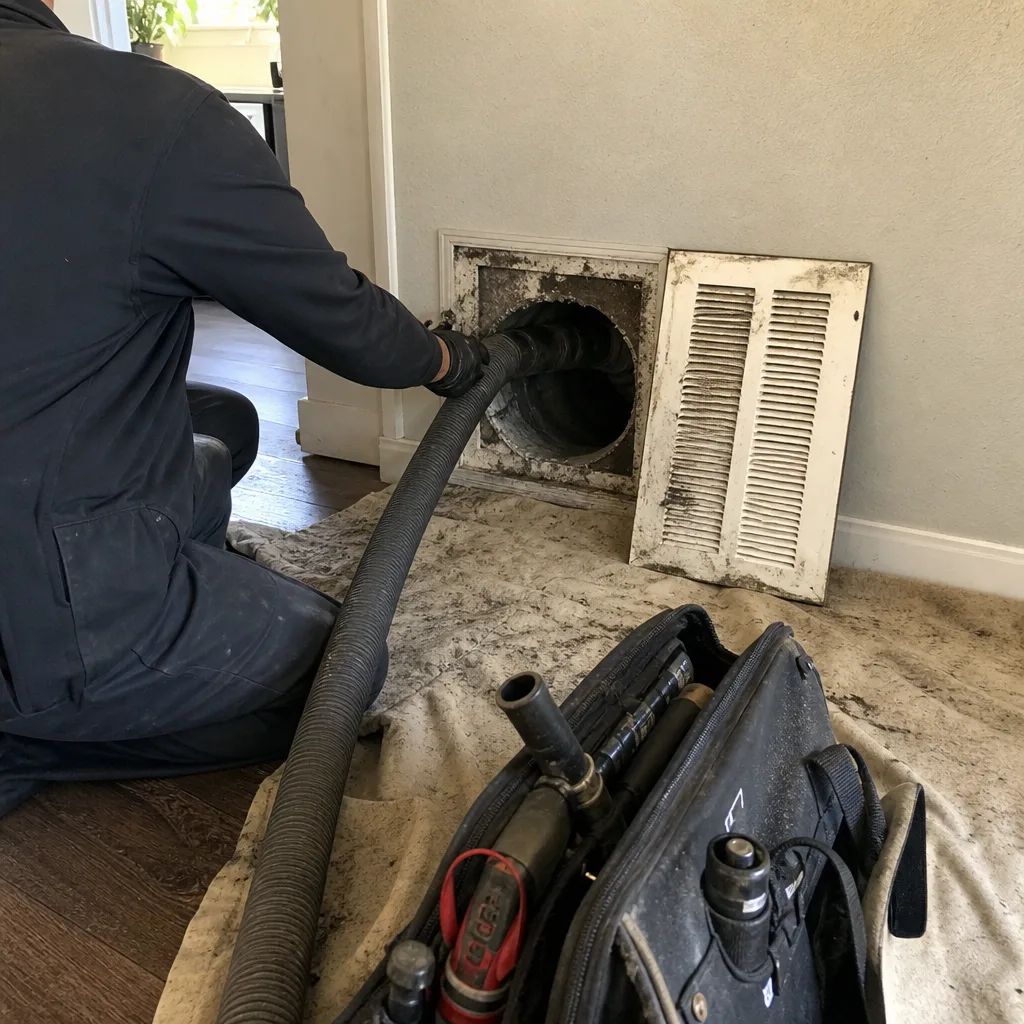
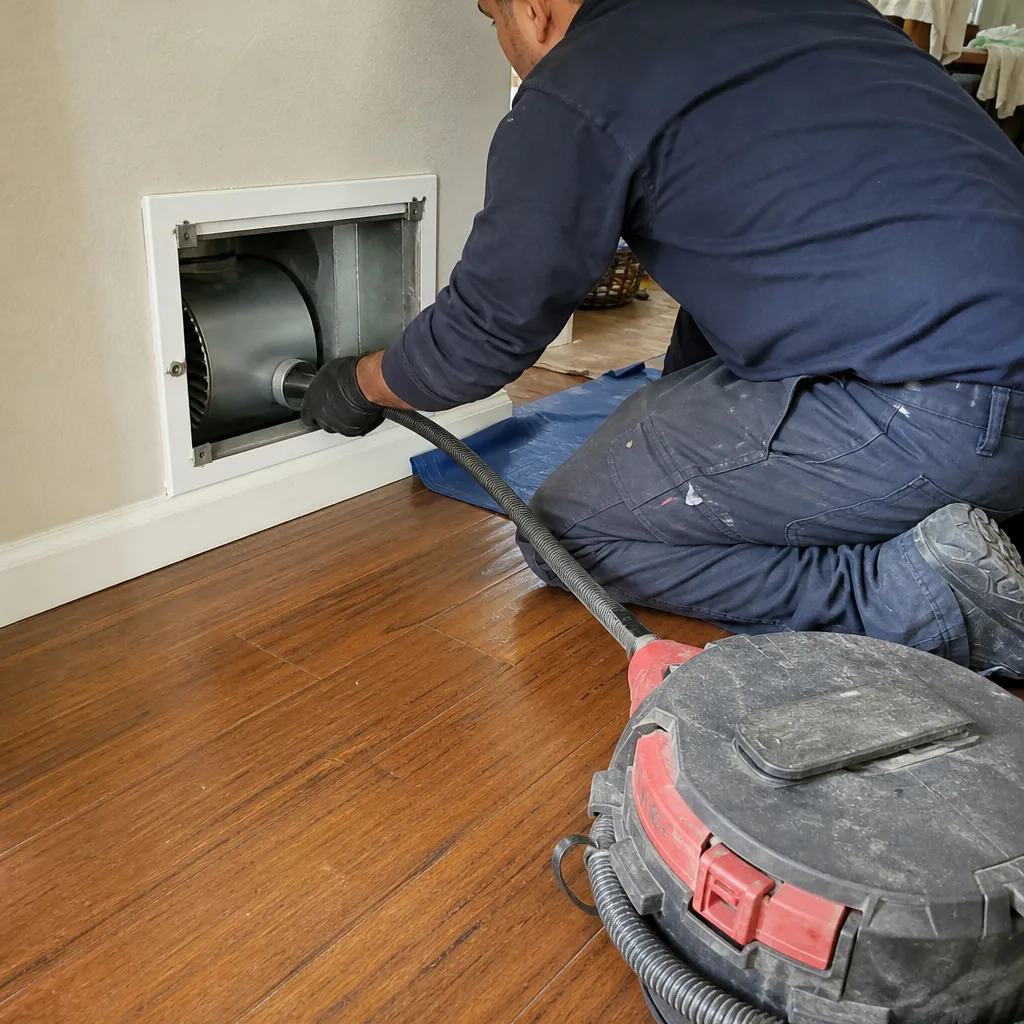
Whole-system duct and dryer vent check with before-and-after photos - you see exactly what came out of your vents
That "$99 whole-house special" is a bait ad - the real number appears once they are in your hallway, or the "clean" is a shop-vac at the register. We photograph the inside of your ducts before and after instead.
Air Duct Cleaning Permits, Codes & Inspections in CA: What You Need to Know
No permit is required to clean the air ducts in your Mission Viejo home. That’s the simple truth. But here’s what catches people off guard: if the technician doing that cleaning spots a collapsed flex duct, a disconnected branch line, or a joint that’s separated, and they fix it on the spot, you may now have unpermitted mechanical work tucked into your attic. It surfaces later, during escrow, when a home inspector flags it and the buyer’s agent asks for the permit record that doesn’t exist. Understanding where the legal line sits between routine Air Duct Cleaning services and regulated mechanical modification changes how you hire, what you sign, and what you keep for your records.
This guide maps out California’s permitting rules around duct work, explains where Mission Viejo and Orange County enforcement actually draws the line, and shows you what documentation to request from any contractor who touches your duct system. For Air Duct Cleaning Troubleshooting: Common Problems and How to Fix Them, see our dedicated resource. You’ll finish with a clear picture of what needs a permit, what doesn’t, and what sits in a gray zone you should document anyway.
Quick Answer
Air duct cleaning in California requires no permit and no inspection. It’s classified as routine maintenance under the California Mechanical Code and the City of Mission Viejo’s building regulations. However, duct repair, duct replacement, or duct sealing that modifies the physical system does trigger mechanical permit requirements under California’s Title 24 energy code and the CMC, especially when the work changes the system’s static pressure, airflow design, or leakage rate. The practical rule: cleaning is maintenance, modification is construction.
Styles & brands we work with
- Whole-home duct cleaning
- Dryer vent cleaning
- Camera inspection
- Sanitizing & deodorizing
Table of Contents
- When Cleaning Ends and Construction Begins: The Legal Line
- California Mechanical Code: What It Actually Says About Duct Work
- Title 24 and Duct Sealing: The Leakage Testing Requirement Most Homeowners Miss
- Mission Viejo and Orange County: What Local Building Departments Enforce
- The Gray Zone: Duct Mastic Sealing During Cleaning
- Documentation: What to Request for Any Duct Work
- Home Sale Disclosures: Why Duct Paperwork Matters at Escrow
- Common Mistakes to Avoid
- When to Call a Professional
- Frequently Asked Questions
- The Bottom Line
When Cleaning Ends and Construction Begins: The Legal Line
California building law is blunt about this: cleaning is maintenance, modification is construction. The California Mechanical Code (CMC), which Orange County and Mission Viejo adopt with local amendments, requires mechanical permits for any work that alters, extends, or repairs a mechanical system’s physical structure. Cleaning the inside of a duct with a Rotobrush or Nikro system doesn’t alter anything. You’re removing accumulated debris from existing surfaces, not changing the system itself.
But repair means something different. Replacing a section of flex duct, reconnecting a separated joint, installing a new takeoff collar, or swapping out a damaged register boot changes the system. The CMC is clear that a mechanical permit is required for any installation, alteration, or replacement of a mechanical system or its components. And in a city like Mission Viejo, where homes built in the 1970s and 1980s still have their original duct runs in their thousands, what looks like a minor repair to a homeowner is exactly what permit inspectors check.
Here’s the real-world split, based on what we see in attics throughout Mission Viejo, Lake Forest, and Rancho Santa Margarita:
- No permit required: cleaning ducts, cleaning dryer vents, visual inspection, replacing a standard filter, blowing out a condensate line, applying biocide to interior surfaces where product registration allows.
- Permit required: replacing any duct section, reconnecting separated runs, modifying duct layout, adding or removing supply outlets, installing a new air handler connection, or upgrading duct insulation to meet current Title 24 R-value requirements.
The practical risk isn’t the fine. The risk is living with a system that was modified without a building record, then discovering the gap when you list your home. Buyers in Mission Viejo’s resale market are sophisticated about inspection contingencies. A missing permit for mechanical work is an easy renegotiation lever.
If you need duct work and want someone who navigates this boundary correctly, start with Duct Cleaning Mission Viejo home for services that understand the difference.
California Mechanical Code: What It Actually Says About Duct Work
The California Mechanical Code is not a mystery document. It’s a statewide adoption of the Uniform Mechanical Code with California-specific amendments, updated every three years. For duct work, the CMC’s chapter on air distribution systems governs what materials you can use, how they must be supported, and what constitutes acceptable installation.
Three specific CMC provisions matter to Mission Viejo homeowners because they directly affect what happens when duct repairs are needed:
- Duct material requirements: The CMC restricts what materials can be used for duct construction. Flex duct, for example, must meet UL 181 standards and be installed with specific support spacing: no more than 5 feet between supports for many applications. When a repair replaces flex duct, the new material must meet current code, not the standard from 1985 when the house was built. This means a repair that looks identical to the old work may actually be a code upgrade.
- Connection integrity: The CMC requires mechanical fastening plus a sealant at all duct joints. Tape alone isn’t sufficient for many joints under current code. This is why you’ll see mastic, metal tape approved to UL 181B, or a combination used on permitted work, while unpermitted repairs often show only a loose zip tie or foil tape that’s already peeling.
- Access provisions: Current code requires access panels for certain components like fire dampers and some cleanouts. If a repair involves these areas, the permit process ensures the access requirements are met, which affects future serviceability of the system.
Mission Viejo sits in Climate Zone 8 under California’s energy code maps, which affects duct insulation requirements. Uninsulated or under-insulated ducts in unconditioned attics are a compliance issue, not just an efficiency issue. When repairs happen, they often mean bringing the affected section up to current Title 24 standards, which is another reason the permit process applies.
Our experience with Air Duct Repair in San Juan Capistrano and nearby communities shows the same pattern: homeowners usually discover code compliance issues during the repair quote, not before. The condition of the existing system often dictates the scope of what must be brought to current code.
Title 24 and Duct Sealing: The Leakage Testing Requirement Most Homeowners Miss
California’s Title 24 energy code has a provision that most Mission Viejo homeowners have never heard of, and it matters if you’re doing anything beyond basic cleaning. When duct systems are installed or modified, Title 24 Section 150.0 requires that supply and return ducts be sealed and tested for leakage. The testing threshold for most single-family homes: duct leakage must not exceed 5% of airflow for new installations, with specific testing protocols using duct blaster equipment.
Who can perform this verification? Title 24 requires testing by either a HERS (Home Energy Rating System) rater or a certified individual under specific programs. This is a specialized function most duct cleaning companies don’t offer and aren’t credentialed to perform. That’s not a knock on cleaning companies. It’s a statement about the regulatory structure: Title 24 verification is its own discipline, and a homeowner who needs compliance documentation after duct modification needs to plan for it.
Here’s what this means in practice for a Mission Viejo homeowner:
- If you’re having ducts replaced or extensively modified, leakage testing is part of the permitted scope, and the testing provider’s documentation becomes part of the permit record.
- If you’re having ducts sealed as a standalone energy efficiency measure, some utility programs require testing and verification by a program-approved contractor.
- If you’re having ducts cleaned only, no testing applies. You’re not modifying the system, so Title 24 doesn’t engage.
The distinction matters because some contractors will tell you they “seal ducts” during cleaning and imply this satisfies energy code requirements. Sealing joints with mastic as a maintenance measure is a different activity than the tested, verified duct sealing that Title 24 recognizes. Both have value, but they’re not the same service, and one doesn’t substitute for the other.
Mission Viejo and Orange County: What Local Building Departments Enforce
Mission Viejo operates under Orange County’s building code enforcement, with the city’s Building Division handling permits and inspections for residential work. The city adopts the California Building Standards Code (which includes the Mechanical Code) with local amendments, and their enforcement follows the same maintenance-versus-modification line we’ve described.
What this means on the ground in Mission Viejo: if you’re having ducts cleaned in a home in the Aegean Hills neighborhood or up near Lake Mission Viejo, no one from the city needs to hear about it. If you’re replacing the duct run that feeds your upstairs bedrooms because it’s deteriorated, the right contractor pulls a mechanical permit, the work gets inspected, and a record is created.
Mission Viejo homes present specific duct conditions that affect this boundary. The city’s housing stock spans original 1960s and 1970s tract homes through 1990s and early 2000s builds. Older homes in the city often have hard-pipe duct systems with internally insulated runs that have deteriorated over 50 years. Newer homes more commonly have flex duct in attic spaces. Both situations can create repair needs that a cleaning-only contractor can’t address, and that’s where the permit conversation begins.
Orange County’s position on routine maintenance exemptions follows the state’s lead: maintenance activities that don’t change a system’s design or structure are exempt from permit requirements. The county has no separate duct cleaning permit or registration requirement. If someone tells you Orange County requires a “duct cleaning license” or a special permit for cleaning, they’re either misinformed or selling something.
The Gray Zone: Duct Mastic Sealing During Cleaning
Let’s address the messy middle. During duct cleaning with professional equipment, a technician often sees joints that are leaking. A bead of dark mastic has cracked. A connection between the supply plenum and a branch run has separated slightly. A boot at the register shows a gap where conditioned air is blowing into the attic.
What should happen, and what does the code require?
The code draws a line at whether the sealing modifies the system. Applying fresh mastic to a small crack is a maintenance action. Two reasons: it restores an existing seal rather than creating a new connection, and it doesn’t change the system’s configuration or airflow design. Replacing an entire joint connection is different. That’s repair, not maintenance, and it crosses into mechanical permit territory.
Our position as air duct specialists: document everything, regardless of which side of the line it falls on. If we seal a joint during cleaning, that action goes into your service record. You receive written documentation of what was done, where, and what materials were used. You may never need that record. But if your Mission Viejo home goes up for sale two years later and a home inspector comments on “recent duct sealing,” you can produce the paperwork and show it was a maintenance action, not an unpermitted repair.
The documentation habit protects you in three specific situations:
- Home sale disclosures: Seller disclosure forms ask about any work performed on mechanical systems. A documented maintenance record lets you answer honestly without implying unpermitted construction.
- HVAC employer warranties: If a manufacturer or home warranty provider questions whether duct sealing damaged a component, the service record establishes what was actually done.
- Efficiency records: Utility programs that later evaluate your home’s energy performance benefit from a documented history of maintenance and sealing work.
For those wanting a deeper look at what a full service includes, our Air Duct Cleaning in San Juan Capistrano page describes the process and equipment in detail.
See the difference
 Before
 After
 Before
 After
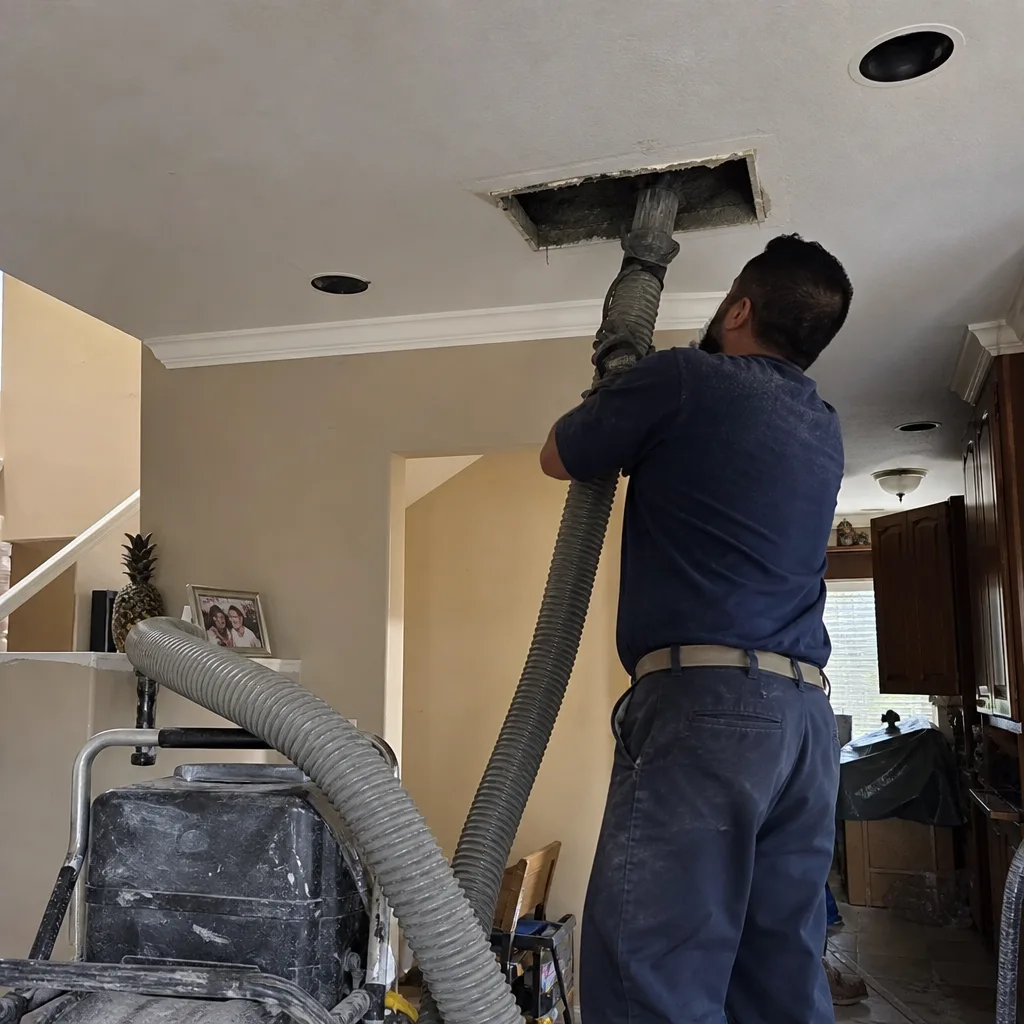 Before
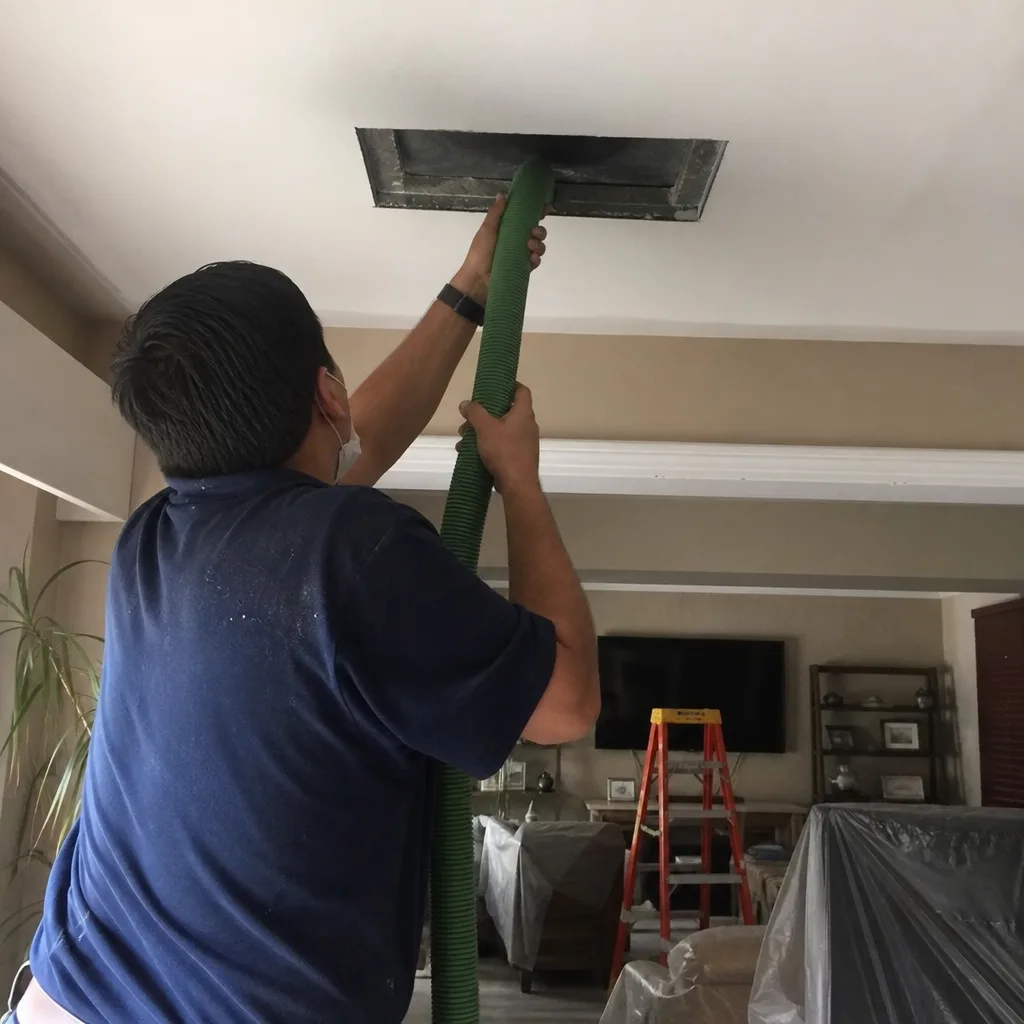 After
Documentation: What to Request for Any Duct Work
You can protect yourself from permit complications with one habit: request written documentation for every duct service, including cleaning. A credible specialist will provide this without hesitation. A company that resists documentation is telling you something.
For cleaning services, the minimum documentation should include:
- Scope of work: A clear statement of what was cleaned, including the locations (return plenum, supply trunks, branch runs, registers) and the method used.
- Equipment used: The brand and type of cleaning system matters. A company that uses Rotobrush or Nikro systems is doing mechanically different work than someone using a shop vacuum and a drill attachment. The equipment on the paperwork tells you what actually happened in your ducts.
- Condition notes: Any findings: mold signs, water staining, damaged flex runs, disconnected sections, pest activity. These notes are where the permit boundary becomes visible. If a technician notes a “separated duct joint,” that’s a repair item, not a cleaning item, and it should trigger a separate conversation.
- Materials applied: If any sealant, biocide, or cleaning agent was used, the name and manufacturer should appear on the documentation.
For repair work, the documentation standard should be higher. You want the permit number, the scope of the permitted work, the inspection status, and a description of what was replaced or repaired. If a contractor tells you a permit “isn’t necessary” for a repair that the CMC clearly requires, get that statement in writing. You’ll need it if you need to correct the record later.
We’ve handled this documentation for years in Mission Viejo and the surrounding communities. The homeowners who keep records never regret it. The ones who don’t sometimes regret it during escrow.
Home Sale Disclosures: Why Duct Paperwork Matters at Escrow
California’s residential disclosure requirements are among the strictest in the country. The California Civil Code requires sellers to disclose known material facts about the property, and that includes mechanical system work. The standard TDS (Transfer Disclosure Statement) and the related SPQ (Seller Property Questionnaire) both ask about work performed on the home’s systems.
Here’s the specific escrow scenario that plays out in Mission Viejo listings:
A buyer’s home inspector opens the attic access in a home built in 1987. The inspector notes fresh-looking duct connections, new mastic at the plenum, and a replaced flex run. The inspector flags it as “recent mechanical work, verify permits.” The buyer’s agent sends a request for documentation. If the seller has kept service records from the duct company, and those records document maintenance and permitted repair separately, the request is satisfied in a day. If no records exist, the seller now has a problem.
Unpermitted work discovered during escrow creates three possible outcomes, none of them good for the seller:
- Buyer requests a retroactive permit, which takes time and may require opening walls or ceilings for inspection.
- Buyer requests a credit or price reduction to cover the perceived risk.
- In extreme cases, buyer walks away under an inspection contingency, and the property goes back on the market with a disclosure history.
Mission Viejo’s real estate market moves fast, and listings with unresolved mechanical questions don’t compete well against comparable homes with clean paperwork. The documentation habit we described above is cheap insurance against this exact scenario.
If you’re in San Juan Capistrano, the same logic applies. Our team has detailed the repair process on our Air Duct Repair in San Juan Capistrano page, including how we document work for future disclosure purposes.
Common Mistakes to Avoid
- Assuming every “repair” needs a permit. The CMC is specific about what counts as mechanical alteration. Cosmetic sealing of minor cracks is maintenance. Replacing a duct run is construction. Knowing the difference saves you from paying for unnecessary permit fees or skipping required ones.
- Trusting a verbal statement that “no permit is required” without getting it in writing. If a contractor makes that call and it turns out wrong, your only protection is documentation. A written statement shifts accountability where it belongs.
- Hiring a cleaning-only company to perform repairs. In Mission Viejo, some duct cleaning services don’t have the mechanical expertise to properly assess whether a damaged section is a repair item. The result is either an unpermitted repair or a problem left unaddressed. We clean ducts, and when we find damage, we fix it properly.
- Discarding service records after the work is done. Escrow can happen years later. Keep the paperwork in a file with your other home maintenance records. Digital copies are fine; originals are better.
- Confusing Title 24 duct sealing with maintenance sealing. Title 24 compliance requires specific testing and verification. Mastic applied during cleaning is a maintenance action. They are not interchangeable, and one doesn’t satisfy the other’s requirements.
- Ignoring the insulation angle. Mission Viejo attics in summer reach temperatures that make insulation a code issue, not just an energy bill issue. Duct repairs on under-insulated systems may trigger Title 24 insulation requirements. A contractor who doesn’t raise this is doing you a disservice.
- Using a generalist handyman for duct work. Mechanical systems are regulated for a reason. Duct modifications by someone without mechanical code knowledge create the exact permit and disclosure problems this guide explains.
When to Call a Professional
If you’re noticing dust building up on surfaces within days of cleaning, inconsistent airflow between rooms, or a musty smell when the system runs, the issue may go beyond cleaning. A professional assessment can identify whether you’re looking at a maintenance item or a repair. Visible damage in the attic, strange noises from duct runs, or a system that’s never been inspected in a home over 20 years old are all reasons to have a specialist take a look. Duct Cleaning Mission Viejo offers free estimates in Mission Viejo, and our team uses Rotobrush and Nikro systems for professional-grade cleaning, with the capability to handle repairs through our Air Duct Repair in San Juan Capistrano service. Call (833) 593-4407 to schedule an assessment.
Frequently Asked Questions
No. Air duct cleaning is classified as routine maintenance under the California Mechanical Code and requires no permit from any city in Orange County, including Mission Viejo. The cleaning process doesn’t alter the mechanical system’s structure or design, so it falls outside the permit trigger. However, if cleaning reveals damage that requires repair, that repair may require a mechanical permit depending on its scope.
Air duct cleaning for a typical single-family home in Mission Viejo runs from $350 to $650 for a complete system, depending on the number of supply and return runs, the system’s condition, and whether dryer vent cleaning is included. Homes with extensive contamination or post-construction debris may run higher. Be wary of quotes under $200 for “whole house” cleaning: they usually mean a visual inspection and a few register cleanouts, not actual interior duct cleaning with professional equipment. Call (833) 593-4407 for an exact quote; estimates are free.
The price difference comes down to equipment and scope. Some companies use a portable vacuum and a brush attachment, which removes loose debris near the register but doesn’t clean the full duct run. Professional systems like Rotobrush and Nikro use powered agitation and high-volume air movement to remove debris from the entire interior surface. The cheaper quote often reflects a cheaper method, not a better deal. When comparing quotes, ask what equipment the company uses and what “complete system” means in their scope of work.
No. Applying mastic to minor cracks or joints during a cleaning service is a maintenance action that restores existing seals. Title 24 leakage testing applies to new duct installations and substantial modifications, not to routine maintenance sealing. However, if sealing is part of a larger repair that replaces duct sections or reconfigures the system, Title 24 requirements engage, and the permitted work will include leakage testing by a certified provider.
Request before-and-after photos of the duct interior. A professional cleaning company using proper equipment can capture images showing the duct surface condition before and after the service. This is standard practice for companies using Rotobrush and Nikro systems, which include camera capabilities for inspection and documentation. You can also ask for a written service report that details what was cleaned, what was found, and what materials were used. If a company refuses to provide either, hire someone else.
For most homes in Mission Viejo, duct cleaning every 3 to 5 years is sufficient. Homes with pets, recent construction, or occupants with respiratory sensitivities may benefit from more frequent service. The city’s dry climate generates fine dust that circulates through the system, and homes near the 5 freeway or major thoroughfares tend to accumulate particulates faster. Rather than following a rigid schedule, visually inspect your registers: if you see dust accumulating at the supply vents within a few weeks of cleaning, the system may need attention.
The Bottom Line
Duct cleaning in California requires no permit, no inspection, and no government paperwork. But the moment the work shifts from cleaning to repair, the mechanical code engages, and Mission Viejo homeowners who don’t understand that boundary risk unpermitted work discovered during a home sale. Keep documentation for everything, understand the difference between maintenance sealing and Title 24-tested duct sealing, and hire a specialist who knows where the line sits. The right contractor makes the compliance question simple by doing the work correctly and keeping records that protect you years later. Explore more guides & resources on our blog.
Written by the team at Duct Cleaning Mission Viejo, serving Mission Viejo since 2017.