
Last updated November 3, 2026
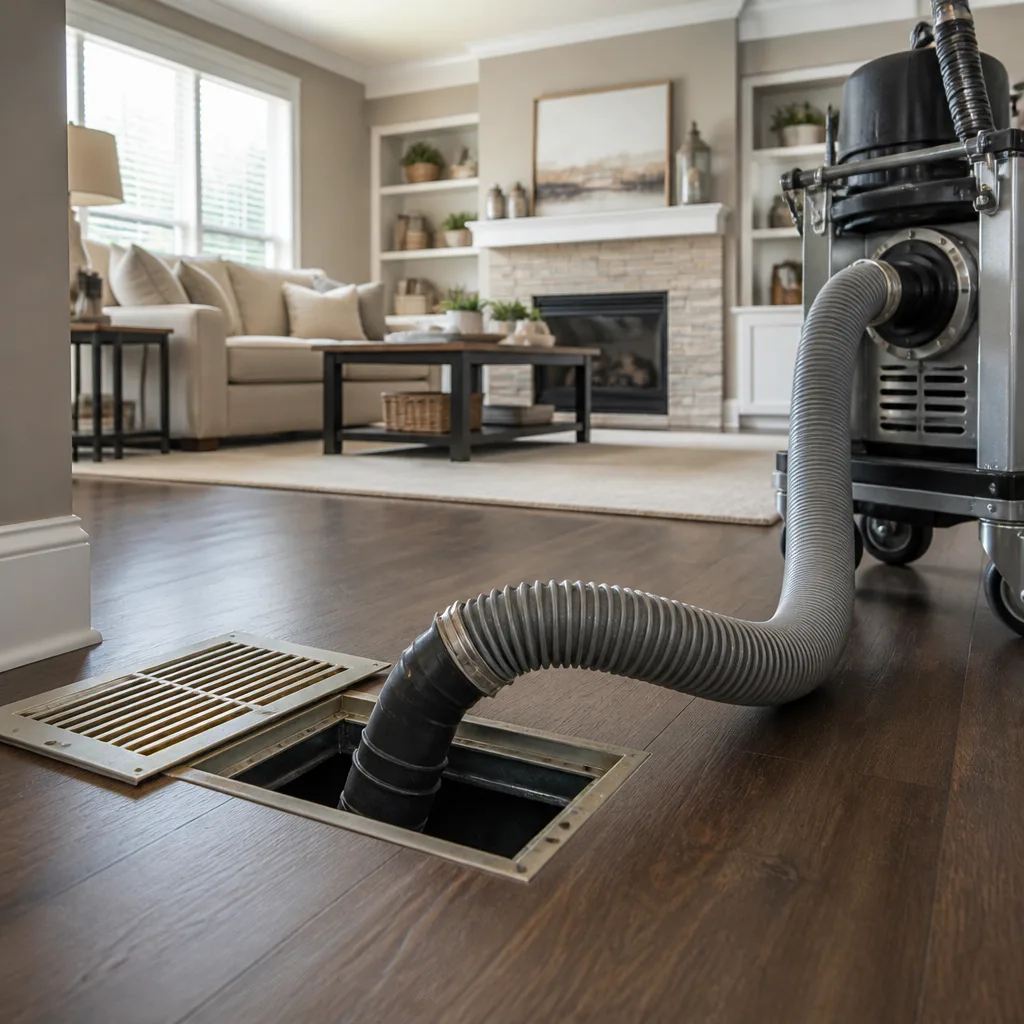 Whole-home duct cleaning
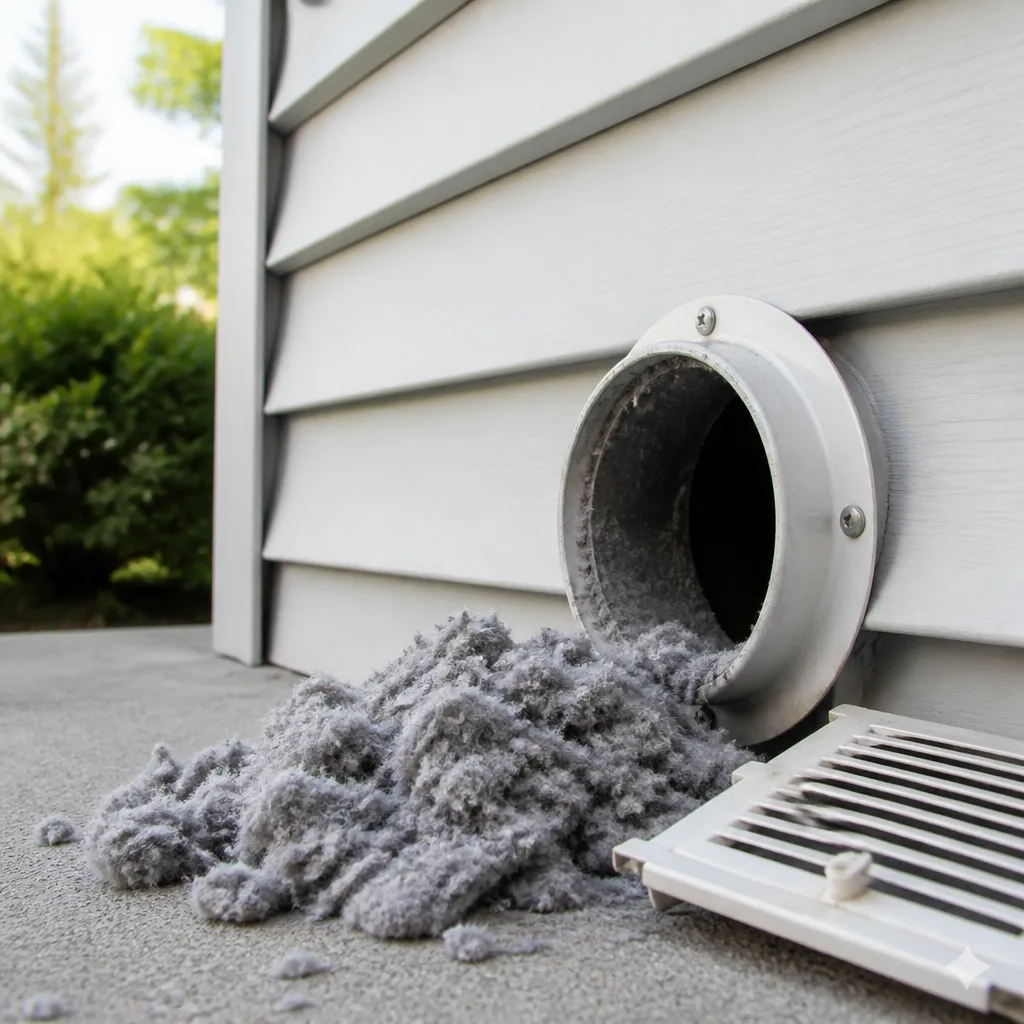 Dryer vent cleaning
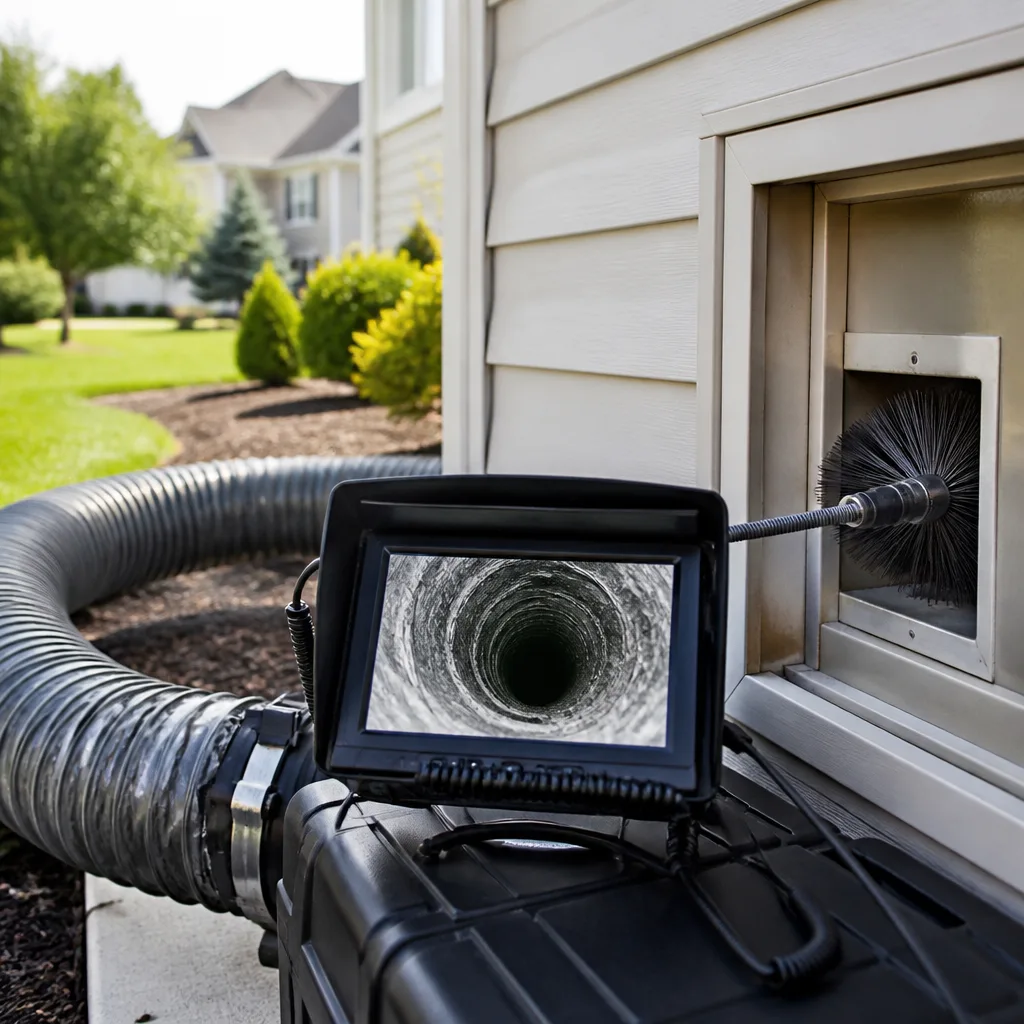 Camera inspection
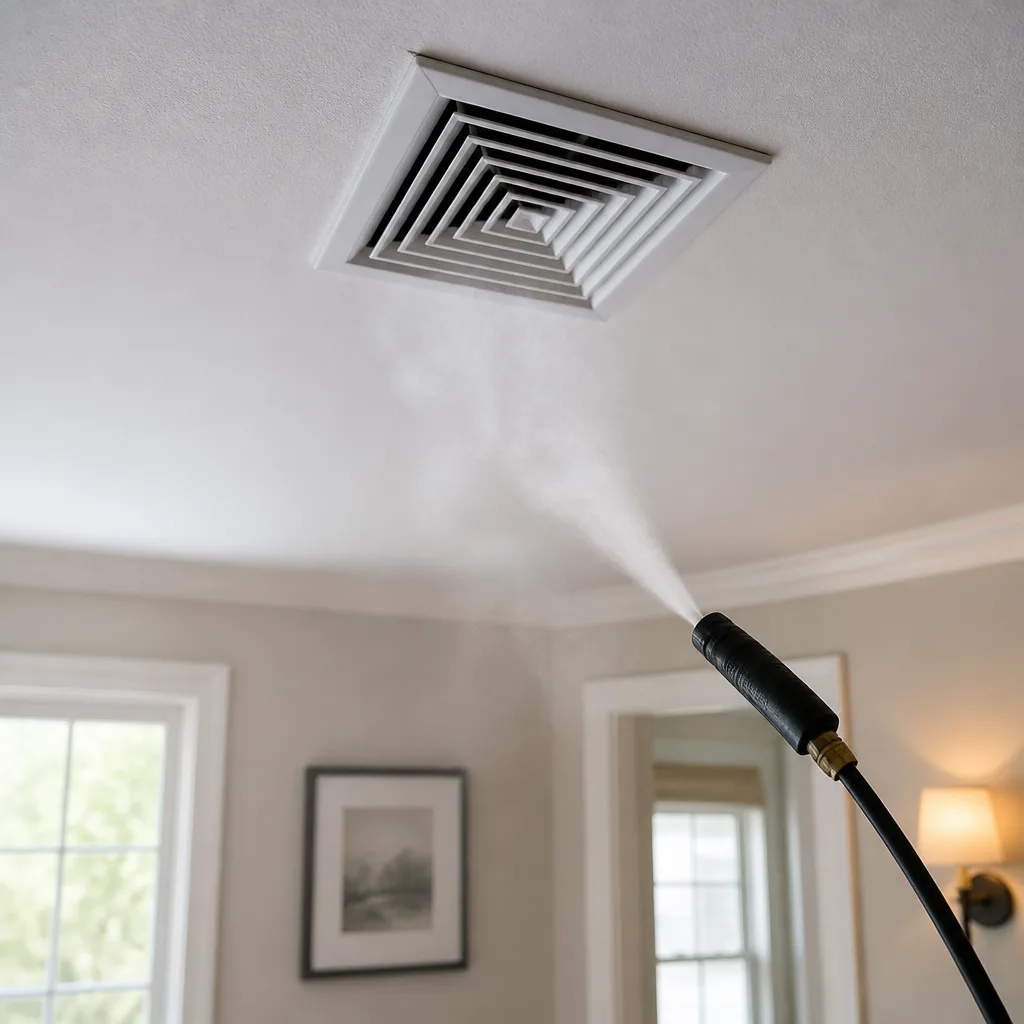 Sanitizing & deodorizing
Whole-system duct and dryer vent check with before-and-after photos - you see exactly what came out of your vents
That "$99 whole-house special" is a bait ad - the real number appears once they are in your hallway, or the "clean" is a shop-vac at the register. We photograph the inside of your ducts before and after instead.
The Complete Air Duct Cleaning Guide for Mission Viejo Homeowners
Here’s a fact most national duct cleaning guides won’t tell you: the air inside your Mission Viejo home carries a contamination profile shaped by geography, not just housekeeping. Homes within ten miles of the Pacific absorb moisture differently than houses in Rancho Cucamonga or Temecula. That coastal humidity, even the mild inland version Mission Viejo gets, settles inside ductwork and creates conditions where biological growth can take hold. Combine that with dry-season particulate from the surrounding foothills and you get a duct system that’s accumulating two very different types of debris at once. This guide explains what that means for your home, what a legitimate cleaning actually involves, and how to avoid paying for a service that does nothing.
Quick Answer
Air duct cleaning in Mission Viejo typically costs $350 – $650 for a complete system and should include cleaning of supply ducts, return ducts, registers, and the air handler. Mission Viejo homeowners should schedule a professional cleaning every 3 – 5 years, or sooner if anyone in the home has persistent allergies, you’ve completed renovation work, or you notice visible dust buildup around vents within days of dusting. The most important filter for choosing a contractor is whether they follow NADCA’s ACR standard and can provide camera documentation of the work before and after.
Styles & brands we work with
- Whole-home duct cleaning
- Dryer vent cleaning
- Camera inspection
- Sanitizing & deodorizing
Table of Contents
- Why Mission Viejo’s Climate Changes What “Clean” Means
- Signs You Need Air Duct Cleaning
- How Often Should Mission Viejo Homes Be Cleaned?
- Why Equipment Class Matters: Truck-Mount vs. Portable Systems
- Slab-on-Grade Construction and Return-Air Leakage: A Mission Viejo Specific Problem
- What a Legitimate Duct Cleaning Looks Like, Step by Step
- The NADCA ACR Standard Explained in Plain Terms
- When Ducts Need Repair, Not Just Cleaning
Why Mission Viejo’s Climate Changes What “Clean” Means
Mission Viejo sits in a transitional zone. We’re close enough to the coast to absorb marine-layer moisture, especially during June gloom and the winter months, but far enough inland to avoid the heavy fog that saturates homes in Dana Point or Laguna Beach. That distinction matters. Homes here don’t get visibly damp like coastal houses do, but the relative humidity inside a duct system can still hover in a range that encourages mold colonization and dust-mite activity, particularly in the return-side ductwork where air moves slower and debris accumulates fastest.
What most national guides miss is the second contamination source: wildfire smoke and dry-season particulate. When the Santa Anas blow through the foothills, they carry fine ash and soot particles that measure under 2.5 microns. A standard 1-inch fiberglass filter captures maybe 25 to 30 percent of particles that size. The rest move past the filter, through the blower, and into your duct runs. Over multiple fire seasons, that fine particulate builds up as a gray, greasy film on duct surfaces. This film doesn’t just sit there. It provides a food source for mold spores that arrive with the coastal moisture. The two contamination profiles compound each other in Mission Viejo in a way they don’t in Palm Springs or Victorville, where the dry heat tends to keep biological growth in check.
This is why we tell Mission Viejo homeowners not to rely on national averages for cleaning frequency or cost expectations. A home near Oso Creek or the lake experiences different humidity patterns than one up in the hills off Alicia Parkway. A tract home built in 1985 off La Paz Road has different duct characteristics than a newer build near El Toro Road. Local context changes what “clean” means and how long it lasts.
Signs You Need Air Duct Cleaning
Not every home with dusty furniture needs its ducts cleaned. Duct systems are passively dusty by nature; they move air, and air carries particles. But there are specific signals that indicate the accumulation has reached a level where cleaning will actually change your indoor air quality. Here are the signs we tell Mission Viejo homeowners to watch for:
- Dust settles on surfaces within 48 hours of cleaning. This is the clearest indicator. If you dust your living room and two days later you can write your name on the coffee table, your ducts are actively distributing captured debris back into the living space.
- Visible dust is blowing from registers when the system turns on. This is usually visible in bright sunlight. If you see a puff or a steady stream of particles when the blower kicks on, the duct walls have likely accumulated enough material that airflow is dislodging it.
- Allergy symptoms intensify at home and improve away from home. This pattern matters more than the severity. If a family member wakes up congested every morning but feels better by afternoon at work or school, the bedroom’s air supply is a likely contributor.
- You find mold or mildew odor that gets stronger when the HVAC runs. A musty smell that appears only when the blower is active points to microbial growth inside the ductwork or on the cooling coil, not in the carpet or walls.
- You’ve completed renovation or construction work. Drywall dust, sawdust, and insulation fibers get pulled into the return-air system during any project. Even with contractors running plastic sheeting, fine particles circulate everywhere. Post-renovation duct cleaning is not optional in our view; it’s part of the project closeout.
- You have pets that shed heavily. Pet dander is extremely light and fibrous. It gets entrained in the return air and deposits on the blower wheel, the evaporator coil, and the interior walls of duct runs. Over years, it can reduce airflow enough to raise your energy bill.
- Your energy bills have crept up without a change in usage. A restricted system works harder. If the blower is pushing against a layer of caked debris on the coil or the duct walls, it draws more amperage to move the same volume of air. That shows up on your SCE bill.
One of these signs alone may not justify a full cleaning. Two or three in combination almost certainly do. The key is to rule out cheaper causes first, like a clogged filter or closed registers. If those check out clean, the ductwork is the next logical place to look. See our Duct Cleaning Mission Viejo home page for more.
How Often Should Mission Viejo Homes Be Cleaned?
The honest answer is that there’s no single interval that fits every Mission Viejo home. NADCA recommends cleaning when the system is visibly contaminated, not on a fixed schedule. But as a practical guide, here’s what we’ve observed working on hundreds of local systems:
- Every 3 – 5 years for a typical Mission Viejo home with moderate occupancy, no smokers, and reasonable filter maintenance. This interval accounts for the coastal-moisture and wildfire-particulate combination we described earlier.
- Every 2 – 3 years for homes with pets, allergy sufferers, or a family member with a respiratory condition. These homes simply accumulate dander and biological material faster, and the health stakes are higher.
- Every 1 – 2 years in homes within the immediate wildfire-adjacent zones of the nearby foothills, or for homes that have been in the smoke path of significant fire events. Fine ash penetration into duct systems during a major fire event is substantial. One bad season can deposit more particulate than five years of normal operation.
- Immediately after any renovation, addition, or major appliance replacement. Construction debris in ducts is not a gradual problem; it’s a one-time contamination event that requires immediate correction.
- Within 90 days of moving into a resale home in Mission Viejo. You have no idea how the previous owner maintained the system. Many Mission Viejo homes built in the 1970s through 1990s have had multiple owners and inconsistent maintenance histories. A cleaning provides a known baseline.
These intervals assume you’re changing a standard 1-inch filter every 30 to 60 days and having the system inspected annually. If you’re running a high-efficiency media filter or a whole-home air cleaner like an Aprilaire or Honeywell unit, you may be able to extend the interval slightly, because those systems capture more particulate before it enters the ductwork at all.
Why Equipment Class Matters: Truck-Mount vs. Portable Systems
When you call around for quotes in Mission Viejo, you’ll encounter two fundamental types of equipment: portable units that the technician wheels into your home, and truck-mounted systems that park in your driveway and run a large vacuum hose to the duct access point. The difference matters more than most homeowners realize, especially in the 2,000 to 3,500-square-foot tract homes that dominate Mission Viejo’s residential landscape.
A negative-pressure truck-mount system is the professional standard. It generates 10,000 to 15,000 CFM of airflow, which is enough to create meaningful negative pressure throughout the entire duct network. That negative pressure is what actually removes debris. When the system is running, air is being pulled through every branch of the ductwork at high velocity, carrying loosened debris back to the truck. The vacuum is powerful enough to overcome the natural resistance of long duct runs and multiple 90-degree elbows that are common in Mission Viejo’s single-story and two-story floor plans.
Portable units, by contrast, typically generate 2,000 to 4,000 CFM at best. That’s enough to clean a short run of duct near the access point, but it cannot maintain effective velocity through a 30- or 40-foot duct run with multiple turns. Debris that’s dislodged from the far end of the system simply settles back down before it reaches the vacuum. The result is a cleaning that looks thorough because the technician spends a lot of time on each register, but actually leaves the majority of the duct runs only partially cleaned.
At Duct Cleaning Mission Viejo, we run Rotobrush and Nikro systems, which are purpose-built platforms designed specifically for duct cleaning, not general-purpose shop vacuums adapted to the task. The distinction is not academic. A Rotobrush system uses a rotating brush head that agitates the duct walls while simultaneously vacuuming. A Nikro system, which we use for larger commercial-grade residential applications, brings additional negative-pressure capacity. These are professional-grade tools with known performance characteristics. They’re not available at a rental counter, and that’s exactly the point. When you pay for duct cleaning, a meaningful portion of what you’re buying is the airflow capacity to remove what the agitation loosens. If the vacuum can’t keep up, the cleaning doesn’t take.
Slab-on-Grade Construction and Return-Air Leakage: A Mission Viejo Specific Problem
This is the section that most national guides can’t write, because it requires knowing how Mission Viejo homes are actually built. A significant portion of the housing stock here was constructed in planned developments between roughly 1972 and 1995, and the dominant construction method was slab-on-grade. There is no basement and no crawlspace. The ductwork runs through the attic, the walls, and, in many cases, through channels cast into the concrete slab itself.
Here’s the vulnerability. Return-air ducts in slab-on-grade construction often run through building cavities rather than dedicated sealed ductwork. A wall cavity might serve double duty as a return-air path, pulling air from a central hall return grille down through the stud bays and under the slab to the air handler. Those cavities were not sealed by the original builder with anything approaching modern standards. Joints between drywall panels, gaps around electrical outlets, cracks at the bottom plate, and unsealed penetrations around plumbing all allow the return side of the system to pull air from wherever it can, not just from the intended grille.
In Mission Viejo, where several developments also sit on expansive or reactive soils, slab movement over decades can widen the gaps at the bottom plate and introduce new cracks that simply weren’t there thirty years ago. The result is return-air leakage. Your system pulls unconditioned air from wall cavities, from the garage in some cases, and from the attic. That air bypasses the filter entirely and deposits whatever it carries directly onto the coil and into the supply ducts.
Here’s what that means for you as a homeowner:
- Your ducts get dirtier faster than they should. When return air bypasses the filter, the entire filtration system becomes partially decorative. Unfiltered air is the single largest contributor to duct contamination.
- Your cleaning timeline may need to be shorter. If you have significant return-side leakage, cleaning every 3 years may not be enough. The system is being re-contaminated continuously.
- Cleaning alone won’t solve the problem. This is where our repair capability matters. If the return path is leaking, the correct fix is Air Duct Repair in San Juan Capistrano style work: sealing the return cavities, replacing deteriorated duct sections, and reconnecting properly. Many Mission Viejo homes need both repair and cleaning, not one or the other. A company that only cleans will leave you with a re-contaminating system.
Before you schedule any cleaning, look at your return-air grilles. If you see dust streaking on the wall around the grille, that’s a sign of leakage in the cavity behind it. If you have an access panel, check whether the cavity is sealed or whether you can see light through gaps when the sun hits the exterior wall. These are the things we check during a pre-inspection, because they change the scope of the job. We clean it, and if it’s damaged, we fix it.
What a Legitimate Duct Cleaning Looks Like, Step by Step
You should know exactly what a professional cleaning involves before you pay for one. Here’s the sequence we follow on a standard Mission Viejo residential job, and it’s a reasonable template for evaluating any contractor you’re considering:
- Pre-inspection with camera documentation. Before any equipment is set up, we run a high-resolution inspection camera through the duct system, starting at the supply plenum and working through each main trunk and branch. We look for debris type and volume, biological growth, duct damage, loose connections, and evidence of pest activity. Every finding is documented. You should see these images before the cleaning starts. If a contractor cannot show you what they’re cleaning, you have no way to verify the work.
- System pressurization and containment. We establish negative pressure on the system using a truck-mounted or high-capacity portable unit, depending on access. Drop cloths and Guardsman-grade protective products are placed under work areas. Supply registers are sealed during portions of the process to maximize airflow through specific branches.
- Agitation and air sweep. Each duct run is mechanically agitated using a rotating brush system, which loosens debris that’s adhered to the duct walls. Simultaneous negative pressure pulls the loosened material out of the system and into the collection unit. This is the core of the cleaning, and the equipment class determines how effective it is. This is where the Rotobrush or Nikro distinction matters.
- Coil and blower cleaning, if contaminated. The evaporator coil and blower wheel are inside the air stream. Cleaning the ducts while leaving a caked coil or blower wheel untouched is like cleaning the pipes but not the pump. We inspect these components during the pre-inspection and clean them when they need it.
- Post-cleaning inspection with camera documentation. We re-run the camera through the same paths we inspected before the job. You should be able to see the difference in the duct walls. Some discoloration may remain, particularly on older fiberglass duct board, but the debris should be gone. This is your proof. You paid for a result, and you should be able to see it.
- Filter replacement and air-quality recommendations. We install a new filter at the end of every cleaning unless you have a washable electrostatic type. If you’re interested in upgrading to a media filter or a whole-home system, we can supply and install Aprilaire and Honeywell products. The brands behind the work matter.
That’s the sequence. It takes anywhere from 3 to 6 hours for a typical Mission Viejo home, depending on system size and contamination level. If a contractor quotes you a 45-minute job, they are not doing the work described above. They’re doing something much less thorough, and you should ask hard questions about what exactly that includes.
The NADCA ACR Standard Explained in Plain Terms
NADCA is the National Air Duct Cleaners Association. Its Assessment, Cleaning, and Restoration (ACR) standard is the closest thing the residential duct cleaning industry has to a technical benchmark. Here’s what it actually says and why it matters when you’re screening contractors in Mission Viejo:
The ACR standard requires that a professional cleaning address the entire air conveyance system, not just the visible duct runs. That means supply ducts, return ducts, the air handler, the blower motor and housing, the evaporator coil, the drain pan, registers, and grilles. A contractor who only cleans the visible supply registers and calls it a day is not meeting the standard.
It also requires source removal. This is the key concept. The goal of duct cleaning is to remove contaminants from the system, not to foam or fog them in place. Chemical treatments can have a legitimate role for biological contamination, but they are supplementary to physical removal, never a substitute for it. Any contractor who leads with fogging or spraying while downplaying mechanical agitation and vacuum collection is not following the source-removal principle.
The standard also requires documentation. NADCA’s ACR standard specifies that contractors should provide evidence of the work, typically through photography or video. This is not an optional courtesy; it’s a verification requirement. We provide before-and-after camera documentation as standard practice because it’s the only way a homeowner can independently verify that the work happened and that it worked. You should not settle for less.
How do you use this to screen contractors? Ask three questions. Do you clean the entire system including the coil and blower? Do you use mechanical agitation with negative-pressure collection, or chemical treatment only? Will you provide camera documentation showing the before and after condition? If the answers are anything other than yes, yes, and yes, keep calling. This is where our Air Duct Cleaning in San Juan Capistrano approach applies across South Orange County: one standard, verified work, no shortcuts.
When Ducts Need Repair, Not Just Cleaning
Cleaning is not a cure for a damaged system. If your ducts are leaking, disconnected, crushed, or deteriorating, a cleaning will remove debris but won’t restore performance. In Mission Viejo’s older housing stock, particularly homes built before 1990, we regularly find situations where cleaning alone would be an incomplete fix.
Here are the specific conditions we look for during a pre-inspection that indicate repair is needed before or alongside cleaning:
- Disconnected or sagging duct sections in the attic. Attic temperatures in Mission Viejo routinely exceed 130 degrees in summer. Duct tape and older plastic connectors fail under that heat. When a section separates, conditioned air leaks into the attic, and attic air with its dust, insulation fibers, and sometimes rodent activity gets pulled into the system.
- Crushed flex duct. In slab-on-grade construction, ductwork often gets routed through tight spaces, and sometimes gets compressed or kinked during installation or subsequent work. A crushed duct restricts airflow and creates a constriction where debris accumulates rapidly.
- Unsealed or leaking return cavities. As discussed earlier, this is the Mission Viejo-specific problem that compounds every other issue. A return path that pulls from unsealed wall cavities is a contamination source you cannot fix by cleaning. The cavity itself needs sealing.
- Evidence of pest intrusion. Rodents and insects can enter duct systems through gaps and breaches. We find evidence of rodent activity more often than homeowners expect, especially in single-story homes where roof-adjacent duct runs can develop entry points. The debris from pest activity is not something a cleaning alone should address; the entry point needs to be sealed and the damaged section replaced.
- Wet or stained insulation on the exterior of metal ducts. This indicates condensation or a leak that’s been ongoing. The damp insulation promotes biological growth on the adjacent duct surface. Cleaning will not fix the moisture source.
This is why we positioned ourselves differently. We clean, and if it’s damaged, we fix it. There’s no referral to a a separate HVAC contractor, no gap between diagnosis and repair. The full problem gets resolved. For Mission Viejo homeowners, that distinction often determines whether a duct cleaning is a durable improvement or a temporary reprieve. Our Dryer Vent Cleaning in San Juan Capistrano work follows the same logic: address the actual condition, not the symptom.
Common Mistakes to Avoid
- Choosing the cheapest quote without asking what it includes. In Mission Viejo, sub-$200 whole-home duct cleaning quotes almost always mean a portable unit, partial access, and no documentation. You’ll pay twice eventually. Better air starts inside the ducts, not in the sales pitch.
- Treating duct cleaning as a substitute for filter maintenance. A clean duct system with a clogged filter becomes dirty again within months. The filter is the first line of defense. Use the highest-MERV filter your system can handle and change it regularly.
- Assuming a fogging treatment means the system is clean. Fogging without source removal leaves dead organic material in the ducts, which then becomes food for future growth. Any chemical treatment should follow, not replace, mechanical cleaning.
- Skipping the pre-inspection camera review. If you can’t see the condition before, you can’t verify the condition after. Camera documentation should be standard on any Mission Viejo job, not an upsell.
- Ignoring the dryer vent as part of the picture. The dryer vent is a separate system from your HVAC ducts but suffers from the same lint and particulate problems. More importantly, an uncleaned dryer vent is a leading cause of residential fires. Dryer vents cleaned for safety, not just airflow.
- Waiting until you smell something. By the time a musty odor is unmistakable, you’re dealing with established biological growth, not early-stage dust accumulation. The cost to remediate is higher than the cost to clean preventively.
- Assuming new-construction homes are clean. Many Mission Viejo homes that have undergone renovation or addition work have construction debris in the ducts from day one. Builders don’t typically clean ducts before handover. If your home was built or remodeled recently and the ducts were never cleaned, they’re not clean now.
See the difference
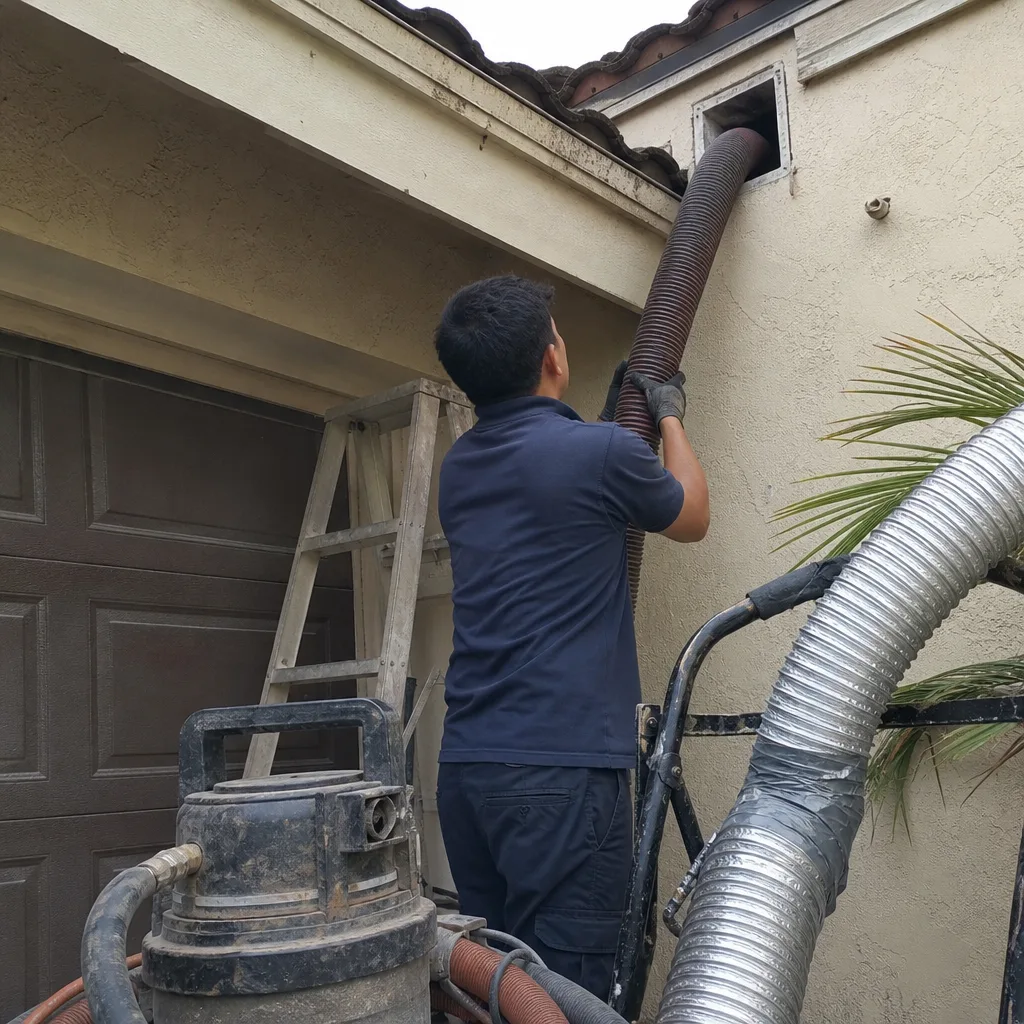 Before
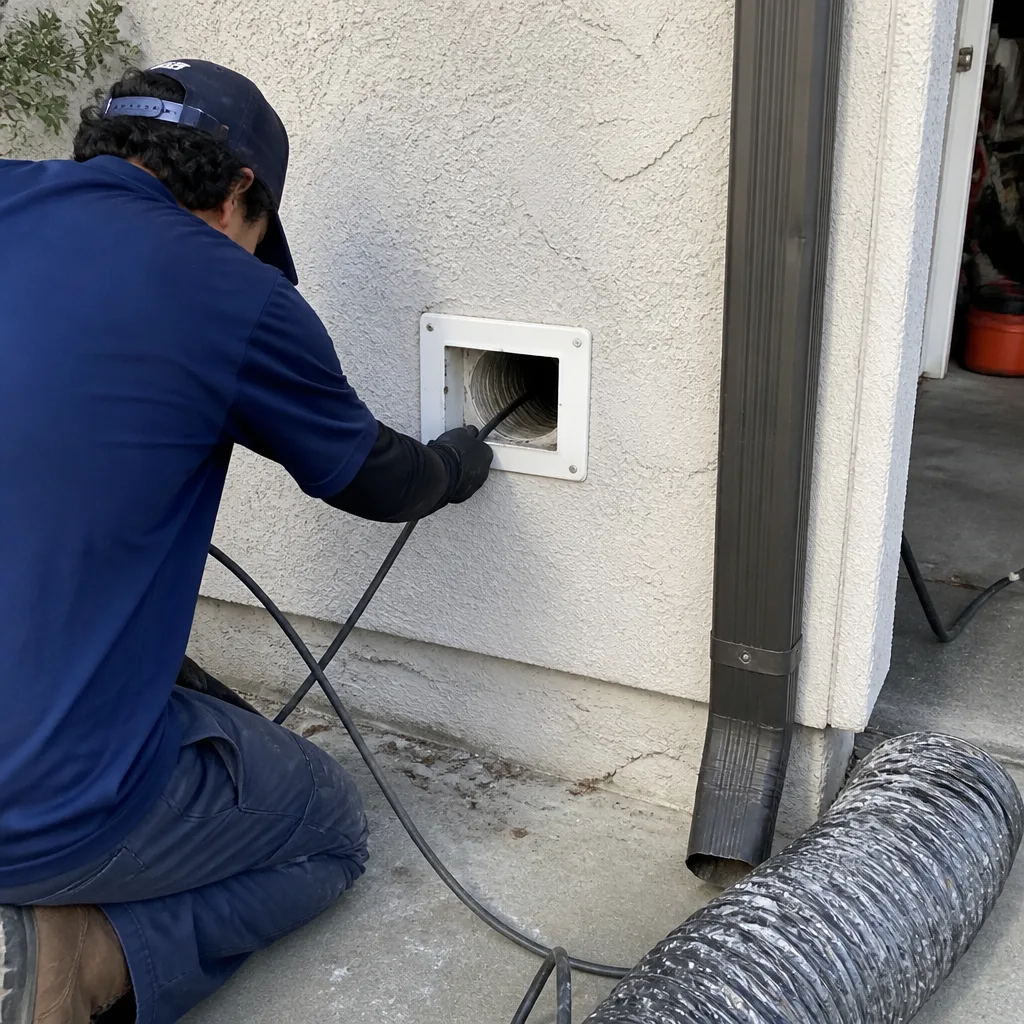 After
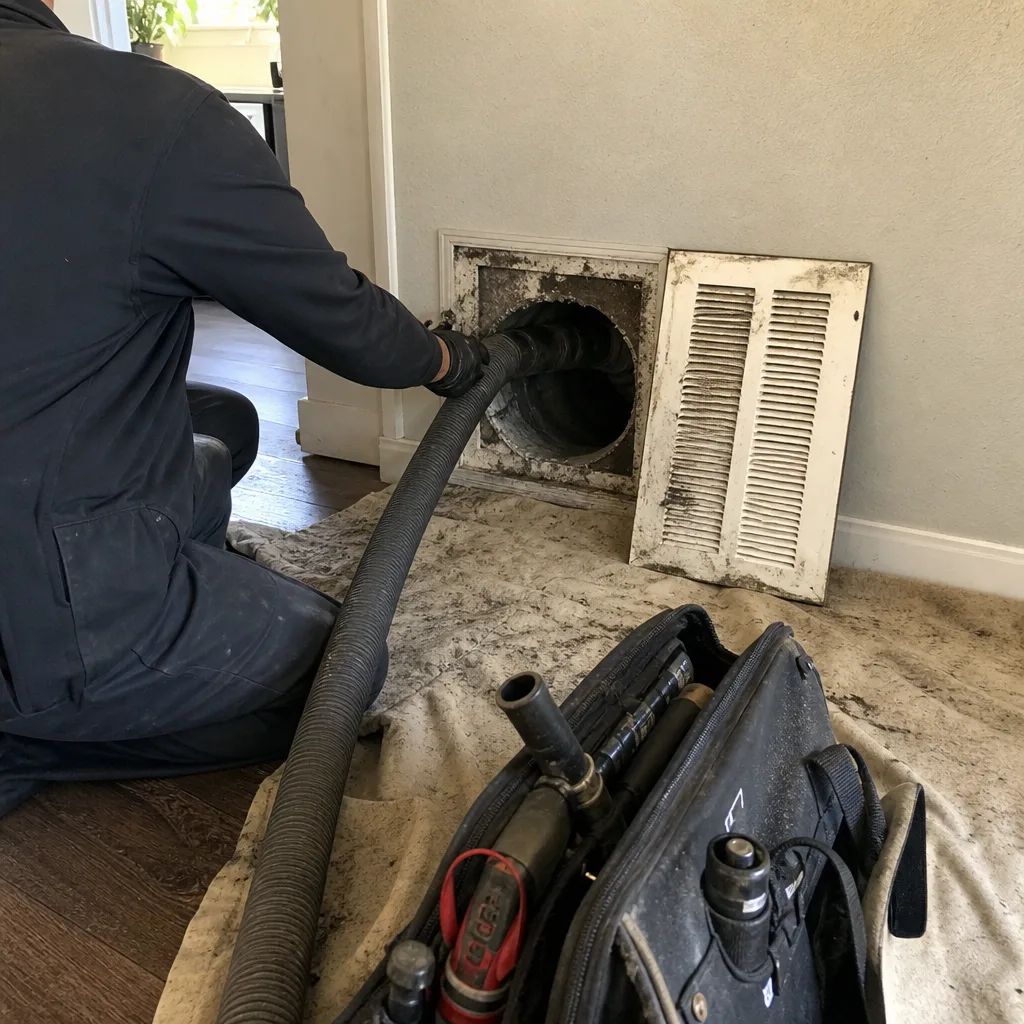 Before
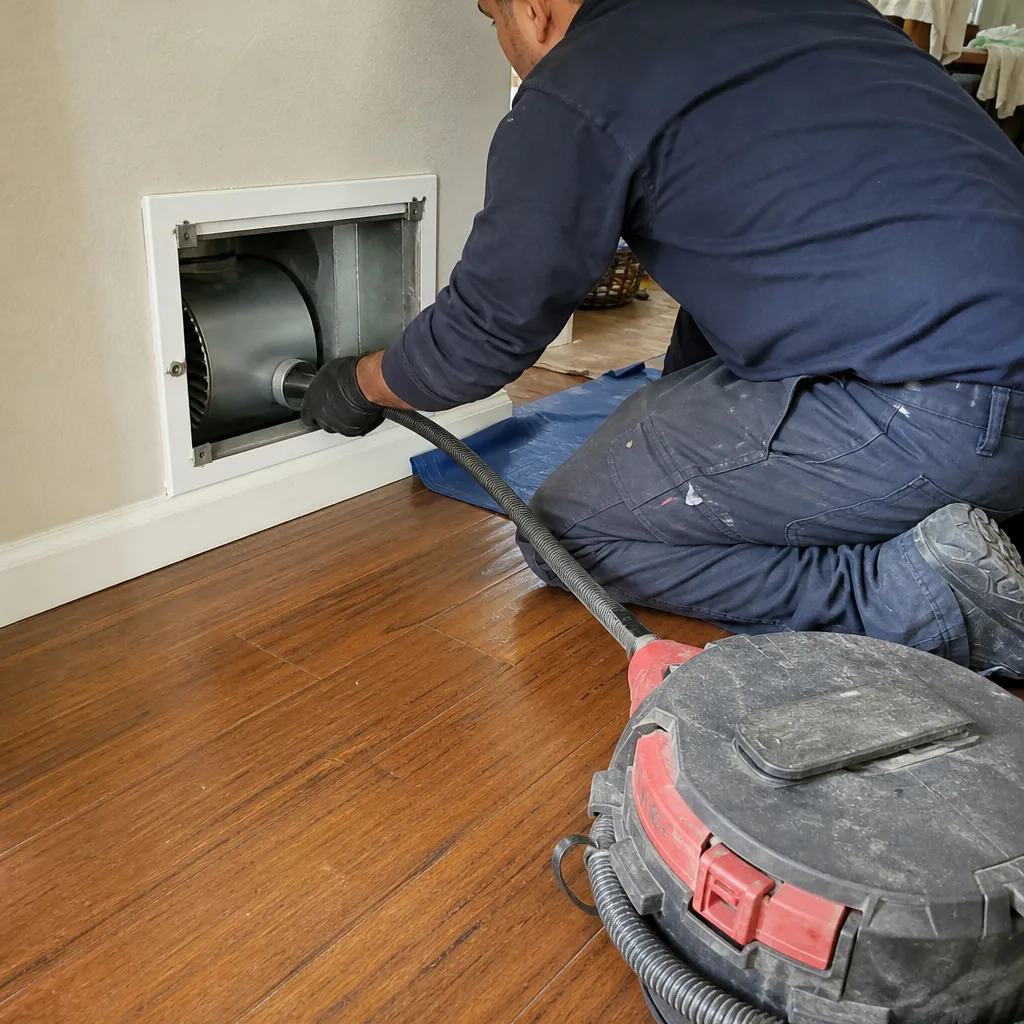 After
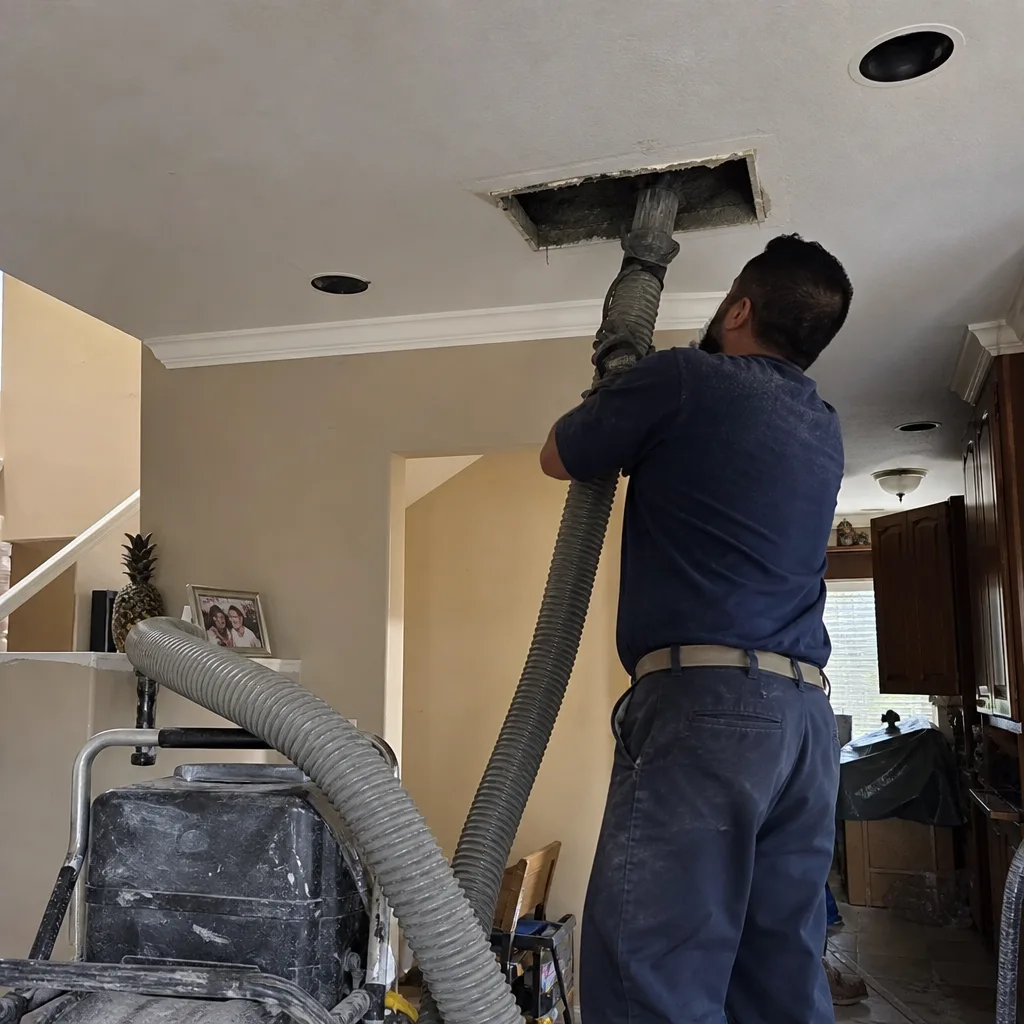 Before
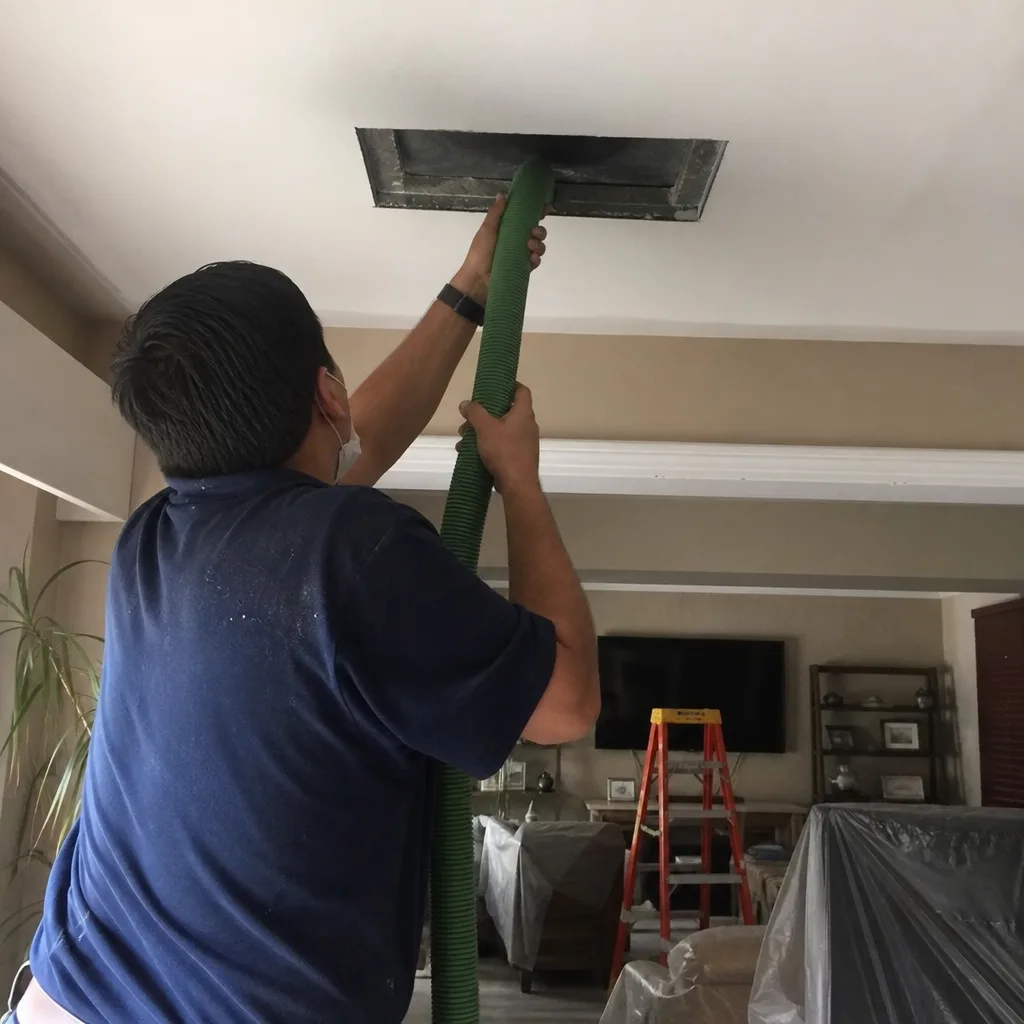 After
When to Call a Professional
You should call a duct cleaning professional when you see dust accumulating within days of cleaning, when allergy symptoms cluster at home, when you find visible mold or water staining near vents, when you’ve completed any renovation work, or when you’ve moved into a resale home and want a known baseline. For more guides & resources, visit our blog. You should also call if your energy bills have climbed without explanation and you’ve already ruled out the usual causes. Duct Cleaning Mission Viejo offers free estimates in Mission Viejo. Call (833) 593-4407 and we’ll walk you through what a cleaning would actually involve for your specific system. No obligation, no pressure, just a straightforward answer about what’s in your ducts and what it would take to get them clean.
Frequently Asked Questions
Air duct cleaning in Mission Viejo typically runs between $350 and $650 for a complete system, depending on the size of the home, the number of duct runs, the accessibility of the air handler, and the level of contamination. Homes with significant biological growth or extensive return-side leakage may run higher because the scope of work expands. The price should always be quoted as a flat rate per system after an inspection, never as a per-vent price that balloons once the technician arrives. Call (833) 593-4407 for a fixed quote based on your actual duct layout and condition.
Cheaper quotes almost always reflect a smaller scope of work. A $149 whole-home cleaning is typically performed with a portable vacuum unit that lacks the negative-pressure capacity to clean long duct runs, and it usually skips the return side, the coil, and the blower. The technician may clean the visible supply registers and call the job done. What you save up front, you lose in a system that’s only partially cleaned and re-contaminates quickly. A legitimate cleaning takes 3 to 6 hours and uses professional-grade equipment like Rotobrush or Nikro systems. That labor and equipment cost is reflected in a fair price.
You verify the work through before-and-after camera documentation. A legitimate contractor will run an inspection camera through your ducts before starting and record the condition: the debris type, the buildup levels, any damage or biological growth. After the cleaning, the same paths should be re-examined and the images compared. You should see clear duct walls where there was previously accumulated material. If a contractor cannot or will not provide this documentation, you have no independent way to confirm the work, and you should choose someone else.
For most Mission Viejo homes, a professional cleaning every 3 to 5 years is appropriate, with shorter intervals of 2 to 3 years for homes with pets, allergy sufferers, smokers, or recent renovation work. Homes that have been exposed to significant wildfire smoke should be cleaned within 12 months of the event. Move-in cleanings are recommended regardless of what the previous owner claims. The honest answer is that cleaning frequency should be driven by inspection, not by a calendar. If a camera inspection shows significant buildup, the system needs cleaning, whatever the schedule says.
Duct cleaning can significantly reduce allergy symptoms when the symptoms are triggered by contaminants circulating through the HVAC system. If the ducts are holding accumulated dust, dander, pollen, mold spores, and shed fibers, every HVAC cycle redistributes a portion of that load into the living space. Removing the source reduces the daily exposure. That said, duct cleaning is not a cure-all for allergies. If the primary trigger is outdoor pollen entering through open windows, duct cleaning won’t address that. But for the indoor component, which is substantial in a region with Mission Viejo’s humidity and wildfire-particulate patterns, removing the accumulated load from the ductwork makes a measurable difference. Call (833) 593-4407 for an assessment.
No. The tools available to a homeowner, even a determined one, cannot generate the negative-pressure airflow required to remove debris from the full length of a residential duct system. A shop vacuum connected to a register can clean the first few feet of a duct run, but it cannot reach the deep runs, the return side, the coil, or the blower housing. Worse, aggressive DIY agitation without adequate collection can loosen debris that then circulates through the home. Professional-grade equipment is not rental-grade equipment for a reason. The work requires professional tools and a trained operator.
The Bottom Line
Mission Viejo homes face a specific set of duct contamination challenges that national guides generally miss. The coastal-adjacent humidity that encourages biological growth combines with wildfire-season particulate that bypasses standard filtration, and the slab-on-grade construction common in our older developments creates return-air leakage that re-contaminates the system faster than cleaning alone can prevent. A legitimate duct cleaning addresses the entire air conveyance system using professional-grade negative-pressure equipment, provides camera documentation before and after, and follows the NADCA source-removal standard. When ducts are damaged, the right company repairs them rather than cleaning around the problem. Look for the signs, ask for documentation, and call (833) 593-4407 for an honest assessment of what’s actually in your Mission Viejo ducts.
Written by the team at Duct Cleaning Mission Viejo home, serving Mission Viejo since 2017.