
Last updated November 2, 2026
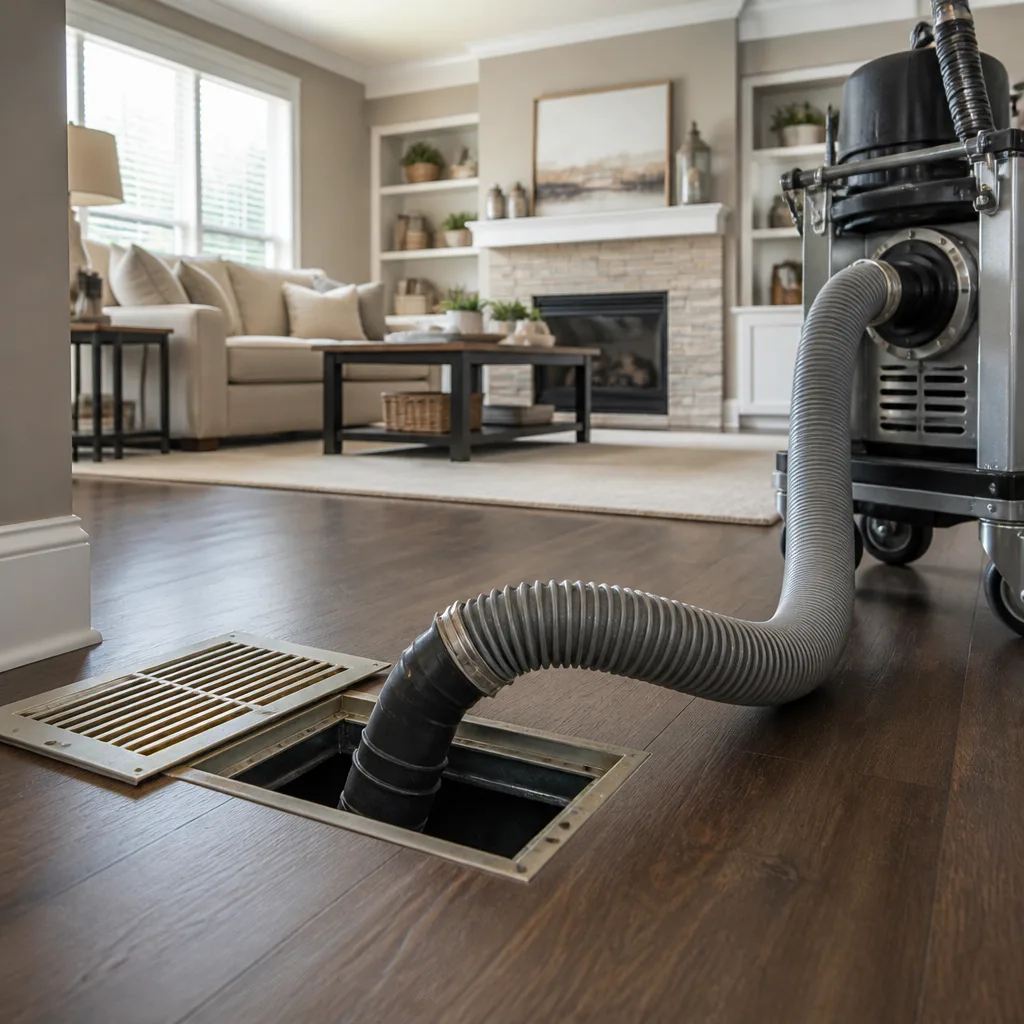 Whole-home duct cleaning
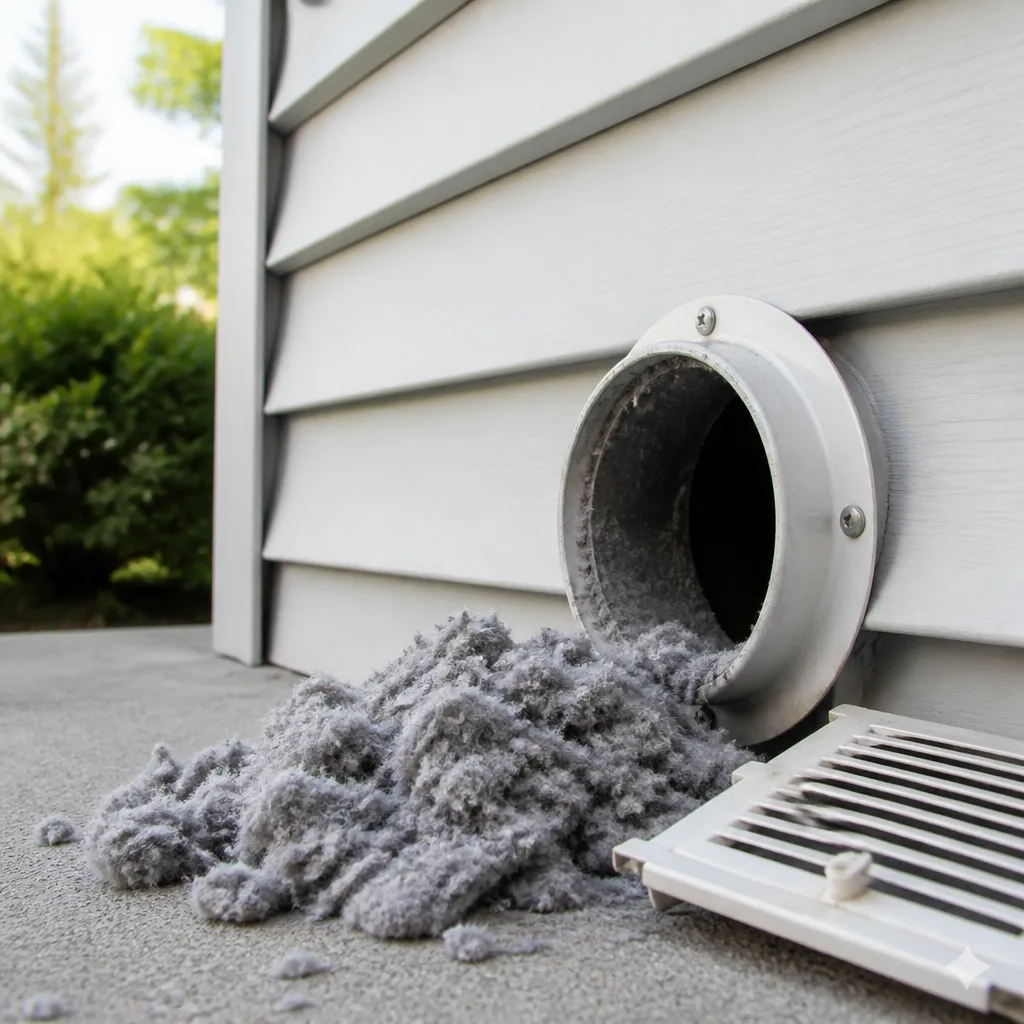 Dryer vent cleaning
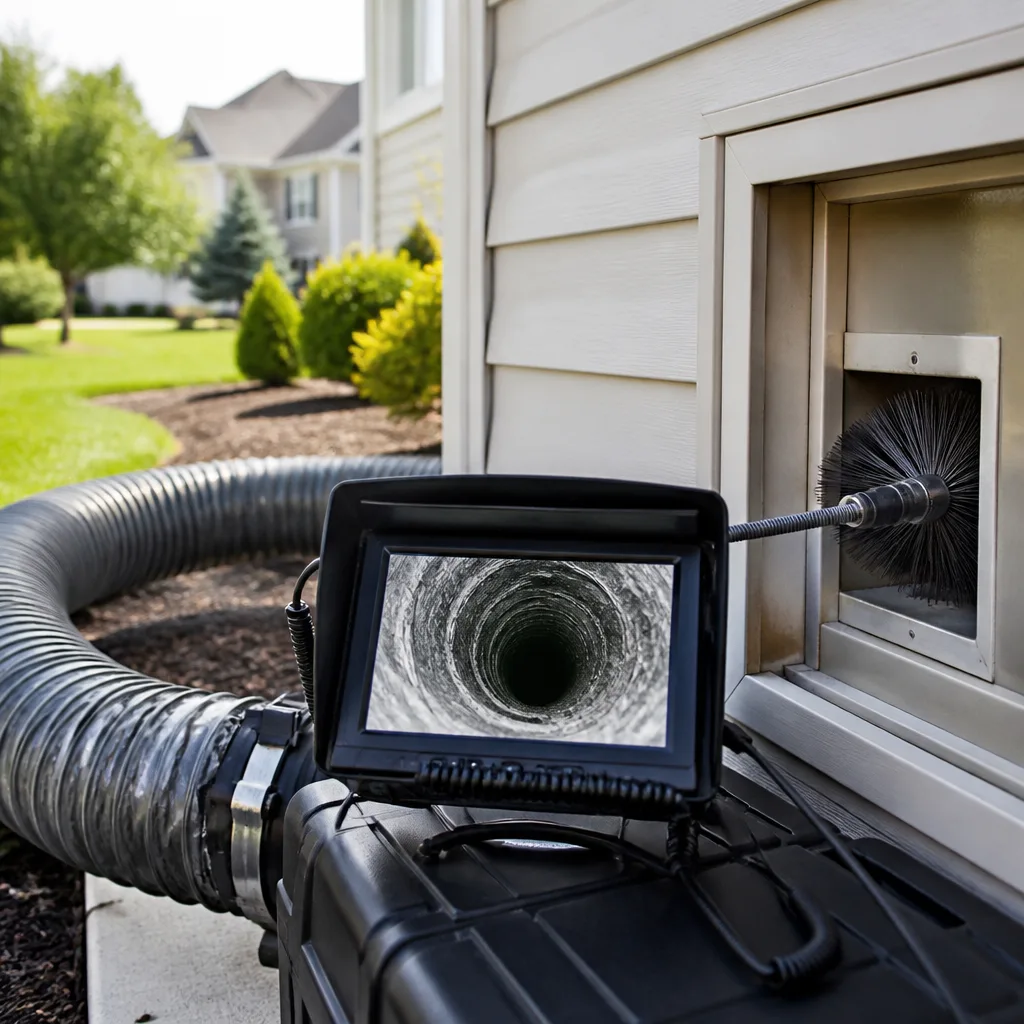 Camera inspection
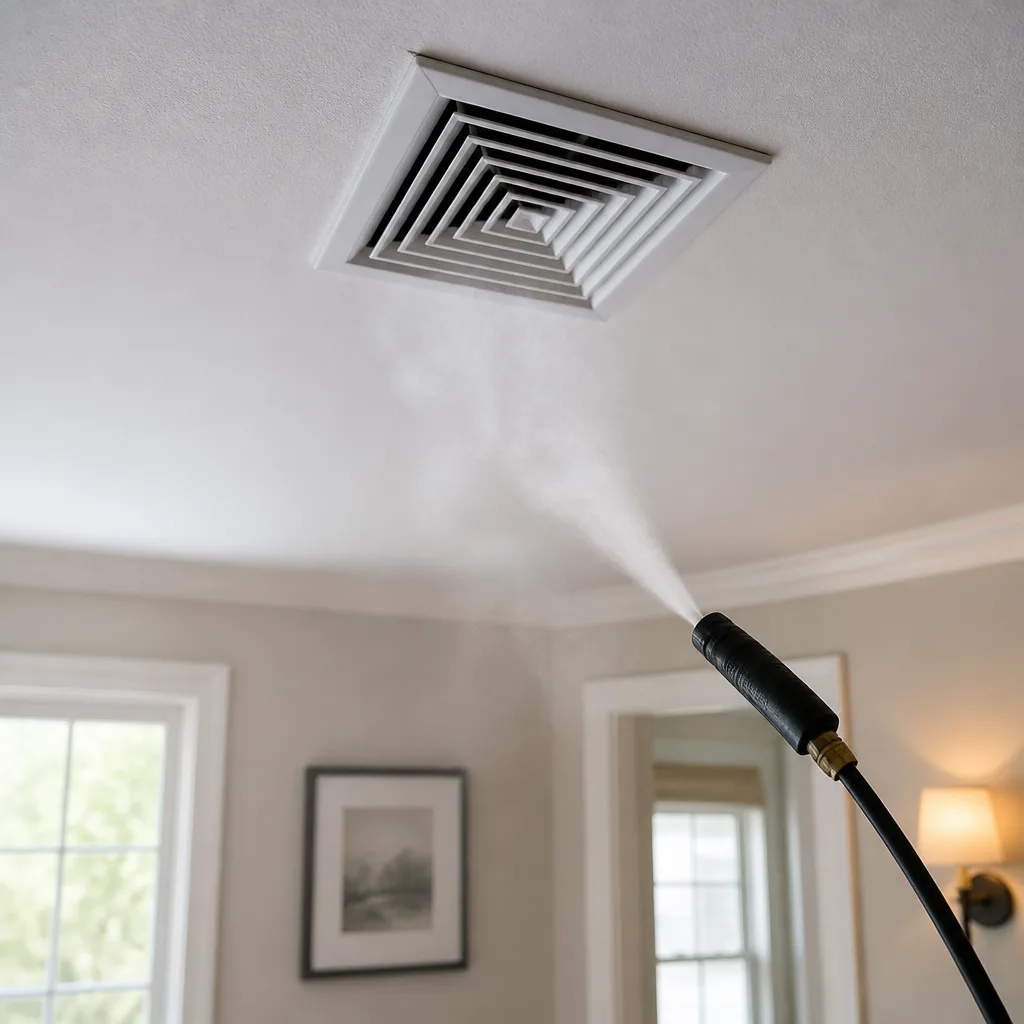 Sanitizing & deodorizing
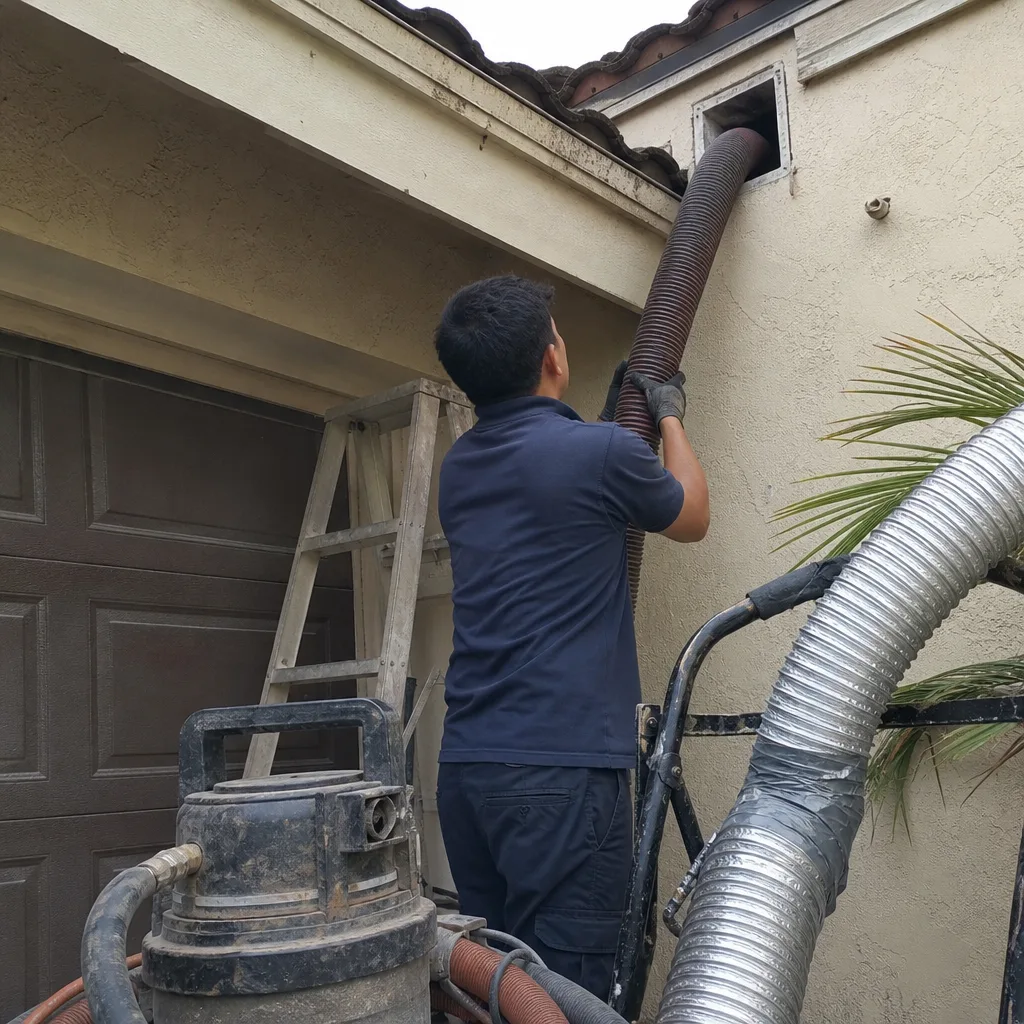
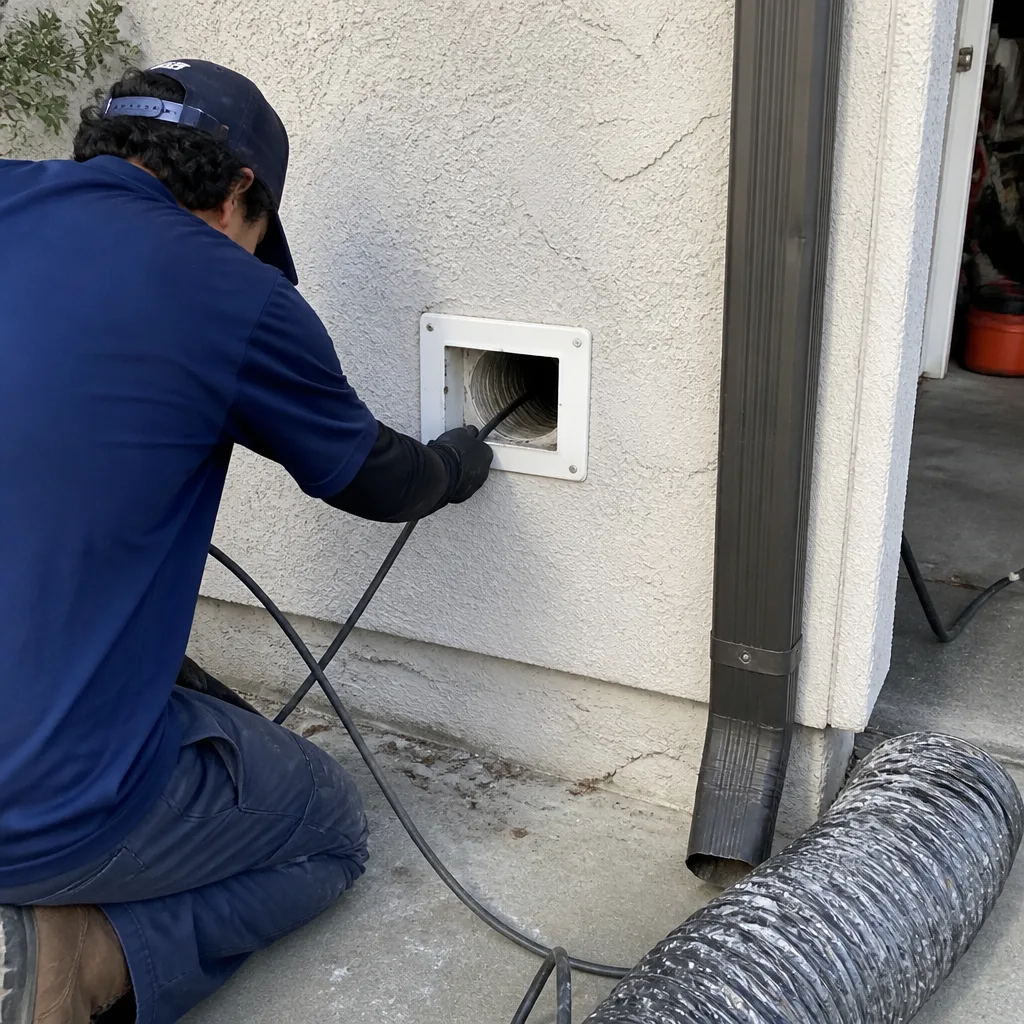
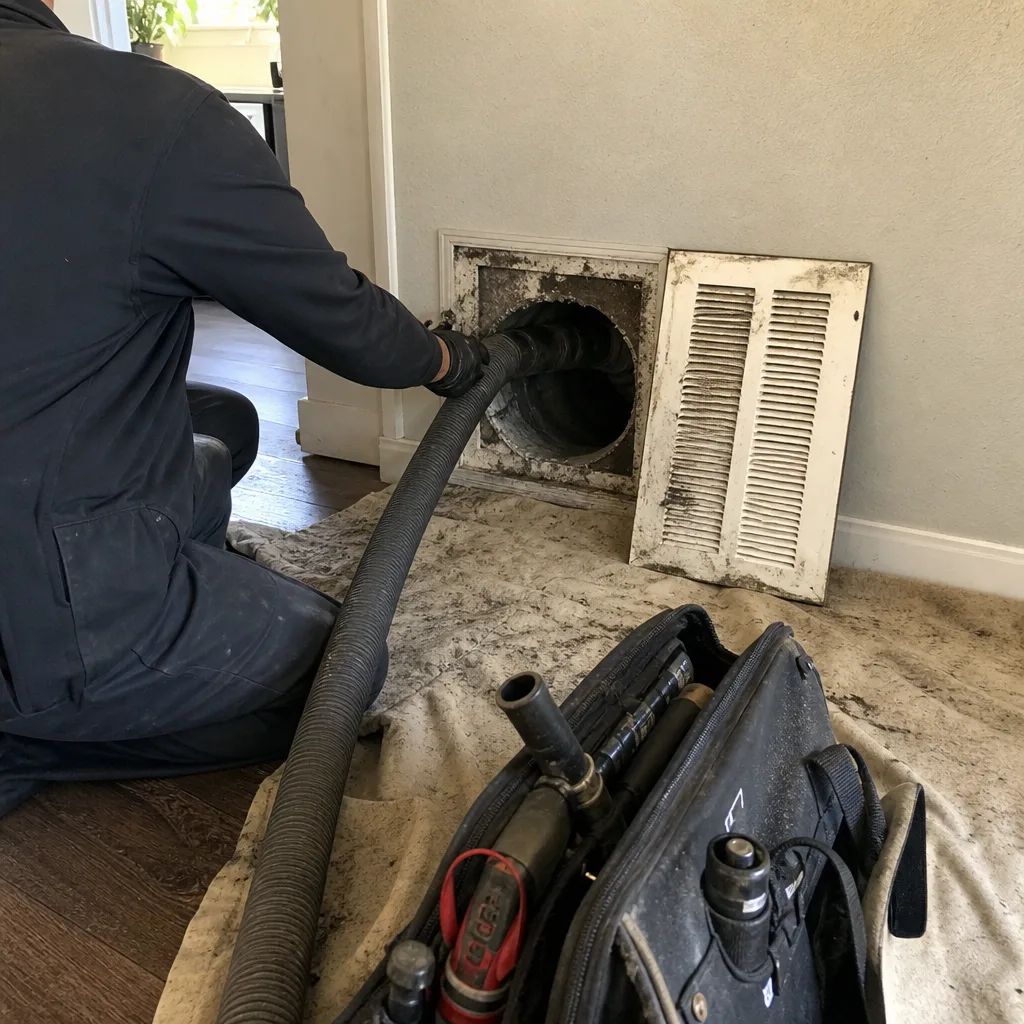
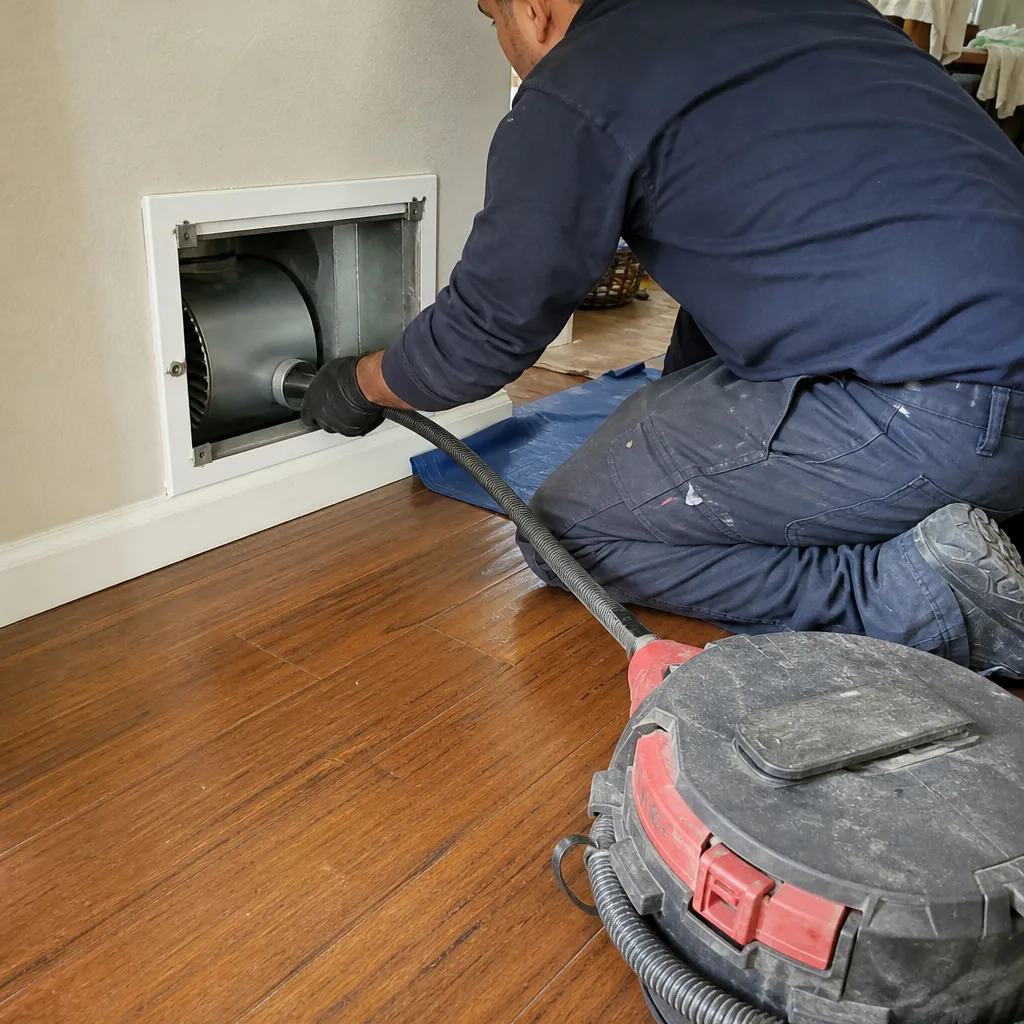
Whole-system duct and dryer vent check with before-and-after photos - you see exactly what came out of your vents
That "$99 whole-house special" is a bait ad - the real number appears once they are in your hallway, or the "clean" is a shop-vac at the register. We photograph the inside of your ducts before and after instead.
Seasonal Air Duct Cleaning Care for Mission Viejo: Year-Round Homeowner’s Guide
Most air duct cleaning advice written for American homeowners assumes four seasons that look like the Midwest: cold winters, wet springs, hot summers, crisp autumns. Mission Viejo doesn’t work that way. Our air quality calendar is driven by marine layer cycles, Santa Ana wind patterns, and wildfire proximity. The result is that the worst period for duct contamination in Mission Viejo is often September through November, not spring. This guide maps our actual seasons to specific duct care actions, so you know what to check, when to schedule Air Duct Cleaning, and what’s happening inside your return system each month of the year. We’re writing this as the specialists who see these patterns every week in homes across Mission Viejo.
Styles & brands we work with
- Whole-home duct cleaning
- Dryer vent cleaning
- Camera inspection
- Sanitizing & deodorizing
Quick Answer
Seasonal air duct cleaning in Mission Viejo means timing service around four distinct air-quality periods: late-spring marine layer dampness, summer air conditioning load, autumn Santa Ana dust and fire season, and winter heating ramp-up. The highest-priority cleaning trigger is September through November, when Santa Ana winds and wildfire particulates push peak contaminant loads through return systems. Most Mission Viejo homes benefit from a professional duct cleaning every 2 to 3 years, with filter checks tied to each seasonal shift.
Table of Contents
- June Gloom and the Marine Layer: What Damp Air Does to Attic Ducts (May – July)
- Santa Ana Winds and Fire Season: The Highest-Priority Cleaning Trigger (Sept – Nov)
- Winter HVAC Ramp-Up: Why the First Heat Cycle Matters (Dec – Feb)
- Spring Pollen and Renovation Season: When Two Contaminant Sources Collide (Mar – Apr)
- A Year-Round MERV Filter Strategy for Mission Viejo’s Climate
- Signs Your Ducts Need Attention Now, Regardless of Season
- Common Mistakes to Avoid
- When to Call a Professional
- Frequently Asked Questions
- The Bottom Line
June Gloom and the Marine Layer: What Damp Air Does to Attic Ducts (May – July)
Mission Viejo sits close enough to the coast that late spring and early summer bring the familiar overcast mornings known as June Gloom. What most homeowners don’t connect is how those weeks of sustained marine layer affect ductwork. The air outside isn’t just cool; it’s carrying relative humidity levels that regularly exceed 80 percent overnight. That moisture finds its way into attic spaces, and from there into duct runs.
Flexible duct insulation is fibrous. When attic air stays damp for weeks, the outer insulation jacket and inner liner absorb moisture. In our experience cleaning Mission Viejo systems, we see the results: inner liner surfaces that hold dust more tenaciously than dry ducts, and in older systems, slight swelling or degradation of the liner material itself. Damp dust becomes sticky dust. What would have been loose particulate that airflow carries to the filter instead adheres to duct walls and to the evaporator coil housing.
What to do during May through July:
- Check your return grilles for visible dust buildup. If dust is present in May, it won’t improve by August.
- Run your air handler fan for 10 – 15 minutes daily during June Gloom to keep air moving through the system even when the AC isn’t cycling.
- Inspect attic duct runs visually if accessible. Moisture staining on the outer insulation jacket is a sign of condensation against cooler duct surfaces.
- Replace your filter before the marine layer lifts. The moisture period loads filters differently than dry months, because dust swells and mats more quickly on damp filter media.
This is also the season when musty odor complaints peak in Mission Viejo. That smell is not always mold. Often it’s accumulated organic dust in a damp duct system off-gassing as temperatures begin rising. A professional cleaning that removes that material solves the odor at its source, rather than masking it with air fresheners.
Santa Ana Winds and Fire Season: The Highest-Priority Cleaning Trigger (Sept – Nov)
National seasonal duct cleaning guidance generally treats spring as the heavy cleaning season. For Mission Viejo, that’s backwards. September through November is when duct systems in this area take their heaviest particulate load of the entire year.
Santa Ana winds don’t just make the air dry. They drive fine dust, construction debris, and agricultural particulate from inland Orange County and Riverside County directly toward the coastal basin. Mission Viejo sits in the path. The particulates are fine enough to pass through window screens, door seals, and most standard air filters. They settle in return plenums, accumulate on blower motor housings, and coat the inside of supply runs.
Then there’s fire season. Southern California wildfires generate ash that travels tens of miles. That ash is not the chunky ash from a fireplace; it’s microscopic particulate that infiltrates homes through fresh-air intakes and return systems. Inside a return plenum, wildfire ash looks like a fine gray film that’s settled into every corner and seam. It’s abrasive, and it continues circulating through the home long after the outdoor smoke clears.
The September – November action list for Mission Viejo homeowners:
- Inspect your return plenum after any significant fire event within 30 miles. Remove the return grille and use a flashlight. Film or grit means the system is carrying ash particulate.
- Check filters weekly during active Santa Ana wind events. These winds can load a filter in days, not months.
- Schedule duct cleaning after fire season subsides, not before it starts. Cleaning in August leaves systems vulnerable to the season’s peak contaminant load. Cleaning in November or December removes the full accumulation.
- Listen for whistling or airflow changes. Heavily loaded return plenums reduce airflow, which changes the sound of your system before it shows up in energy bills.
This is the season where professional-grade equipment genuinely matters. Rotobrush and Nikro systems are designed to dislodge and extract the fine, abrasive particulate that Santa Ana winds and wildfire ash deposit. Rental-grade or discount systems simply don’t generate the agitation or negative pressure required. When we clean Mission Viejo systems in November and December, the volume of fine gray powder extracted is consistently the highest of any time of year.
Winter HVAC Ramp-Up: Why the First Heat Cycle Matters (Dec – Feb)
By Southern California standards, Mission Viejo winters are mild. But they’re cold enough that most homes run their heating systems regularly from December through February. And that means one thing: the first heat cycle of the season.
For months, the heat exchanger and supply-side ducts have been idle or running cool air. Dust that settled during summer AC operation and autumn Santa Ana events sits undisturbed. When the first heating cycle fires, that dust is heated. Heated dust off-gasses more readily, which means odors. Heated dust also breaks bonds with surfaces, which means it circulates. If you’ve ever smelled a burning dust odor the first time your heat kicks on, that’s the system burning off months of accumulation.
The ideal sequence is to clean before that first sustained heat run, not after. Here’s the logic: once the heat cycle has blown settled debris into circulation, that material has redistributed throughout the home and through the duct system’s static zones. Cleaning before heating season removes the material while it’s still in place, where professional extraction systems can pull it out efficiently.
Planning around the winter ramp-up:
- Schedule cleaning in November or early December, which also aligns with the post-fire-season window.
- If you miss that window, don’t skip cleaning entirely. A January or February cleaning still removes contamination, but you’ve already dispersed some of it through living spaces.
- Run the fan-only setting for 5 – 10 minutes at the start of each heating season before the first full heat cycle. This pushes cool air through the system and moves loose debris toward the filter rather than through the heat exchanger.
- Check your filter after the first week of heat use. Rapid discoloration confirms the system was carrying significant load.
Mission Viejo homes built in the 1970s through 1990s, especially in areas like the Lake Mission Viejo perimeter and neighborhoods near Oso Creek, often have original or aging duct systems. If the first heat cycle brings odor that doesn’t dissipate within a day or two, you may have contamination that professional cleaning should address. Air Duct Repair in San Juan Capistrano is a service we offer for systems where cleaning reveals damage that needs correction, not just maintenance.
Spring Pollen and Renovation Season: When Two Contaminant Sources Collide (Mar – Apr)
Mission Viejo’s spring is compressed and intense. The city’s extensive landscaping, mature tree canopy, and proximity to open space near O’Neill Regional Park produce a burst of biological particulate in March and April. Simultaneously, spring is renovation season. Remodeling projects kick off, and construction dust from drywall, flooring, and framing enters the picture.
The problem isn’t either contaminant alone. It’s what happens when they combine. Pollen and construction dust have different physical characteristics. Pollen is lightweight, irregularly shaped, and tends to remain airborne. Drywall dust is fine, heavy, and settles quickly. When both are present in a duct system, the construction dust acts as a carrier: pollen adheres to the heavier particles, and the combined matter settles into low-flow zones of the return system and supply runs. What you get is a dense, cohesive layer of mixed biological and mineral particulate that’s harder to remove than either would be alone.
Spring assessment checklist for Mission Viejo homeowners:
- Check filter condition weekly during March and April. If filters are loading in two weeks or less, the system is under heavy particulate pressure.
- After any renovation project, even in one room, treat the duct system as contaminated. Drywall dust migrates far beyond the work area through return airflow. Cleaning should be part of the project closeout, not an afterthought.
- Pay attention to return grille locations near exterior doors. These pull in pollen from landscaping and are often the first place visible accumulation shows.
- Consider a higher-MERV filter during spring, but only temporarily. More on that in the next section.
If you’re near Trabuco Canyon or Santiago Canyon corridors, spring winds carry additional biological load from native vegetation. Ducts in those areas often show heavier spring accumulation than homes in central Mission Viejo neighborhoods.
A Year-Round MERV Filter Strategy for Mission Viejo’s Climate
Filters matter year-round, but the right filter changes with the season. The standard advice is to buy the highest MERV filter your system can handle. That’s incomplete, and in some Mission Viejo homes, it’s counterproductive.
Here’s the issue: higher-MERV filters restrict airflow. MERV 13 and above, common in allergy-focused guidance, imposes more static pressure on the air handler. In older systems, especially those with any duct leakage or undersized returns, that restriction reduces airflow enough to affect system performance. The system runs longer, works harder, and can freeze coils in summer when the load is high.
A practical filter schedule for Mission Viejo:
- May – July (marine layer): MERV 8 – 11. Moisture periods cause filter media to swell and load faster. Moderate MERV keeps airflow adequate while capturing visibly settled dust.
- August (peak AC): MERV 8. Heat load is highest, airflow is critical. This is not the month to experiment with high-restriction filtration.
- Sept – Nov (Santa Ana and fire season): MERV 11 – 13, checked weekly. When wildfire smoke is in the air, this is the time for maximum filtration. But monitor system performance and step back down if you hear airflow changes.
- Dec – Feb (heating): MERV 8 – 11. Heating benefits from adequate airflow to distribute warmth evenly.
- Mar – Apr (pollen and renovation): MERV 11 – 13 if a family member has seasonal allergies. If you have drywall dust from renovation, use MERV 8 and replace frequently; fine mineral dust clogging a high-MERV filter fast provides almost no benefit.
Aprilaire and Honeywell air-quality products are designed for homeowners who want better filtration without overloading the air handler. These systems include properly sized media cabinets, not the 1-inch filters that restrict airflow disproportionately. The difference matters: a 4-inch media filter provides more surface area, which means higher MERV ratings with less airflow restriction than a 1-inch filter of the same MERV. For Mission Viejo homes where allergy seasons are real but air handler capacity is a constraint, this is often the right solution.
Duct Cleaning Mission Viejo home services include air-quality product installation alongside duct cleaning, so the conversation about filtration doesn’t have to happen with a separate contractor.
Signs Your Ducts Need Attention Now, Regardless of Season
Seasonal timing is useful for planning, but some signals override the calendar. If any of the following apply to your Mission Viejo home, don’t wait for the next seasonal window:
- Visible dust accumulation on return grilles or supply registers within days of cleaning. That dust is coming from inside the system, not from normal household activity.
- Consistent sneezing, congestion, or respiratory irritation at home that improves when you leave. Duct-borne allergens circulate for hours after the system runs.
- Musty or stale odor when the system starts, every time. This isn’t a one-time heat-cycle burn off; it’s ongoing microbial or organic decomposition in the duct environment.
- Uneven room temperatures that can’t be explained by window orientation or insulation differences. Significant duct leakage or blockage changes airflow distribution.
- Higher energy bills with no obvious change in usage patterns. Restricted airflow and duct leaks force the system to use more energy for the same comfort.
- Renovation or construction work was completed and no duct cleaning happened afterward. Contractors rarely include duct cleaning in project scope. That dust remains in your system.
We also recommend checking your dryer vent if you’ve noticed longer drying times or excessive lint around the dryer exterior. Dryer Vent Cleaning in San Juan Capistrano addresses a fire-safety concern distinct from air quality but equally important to Mission Viejo homeowners.
Beyond Cleaning: Air-Quality Upgrades That Make Seasonal Swings Easier
Duct cleaning removes what’s already accumulated. Air-quality products reduce what accumulates in the first place. For Mission Viejo homeowners dealing with persistent allergies, wildfire smoke seasons, or homes with older duct systems, combining cleaning with a filtration upgrade is often the most effective path.
Aprilaire and Honeywell both manufacture whole-home air purification and filtration systems designed to integrate with existing HVAC equipment. These aren’t plug-in retail devices; they’re installed in the duct system and sized to your air handler’s airflow. The advantage is that the entire home receives filtered air on every cycle, not just one room.
For homes that have experienced contamination events, such as post-construction dust or water intrusion in duct runs, Abatement Technologies equipment matters. This is the brand of HEPA-filtered negative-air and containment systems used for contamination-control scenarios. It’s not equipment a general handyman carries. It’s what allows a cleaning contractor to handle allergen-heavy and post-construction environments without cross-contaminating living spaces.
Guardsman protective products are used during the service process itself. These are the materials that protect floors, walls, and furnishings while cleaning equipment runs through the home. It’s a small detail, but it signals how seriously a company takes the work. If a contractor doesn’t bother protecting the home, what kind of job are they doing inside the ducts?
Air Duct Cleaning in San Juan Capistrano is available for our neighbors south of Mission Viejo, with the same equipment and same process.
Common Mistakes to Avoid
- Following a Midwest seasonal schedule. The standard “clean in spring and fall” advice doesn’t map to Mission Viejo’s climate. Cleaning in August, before Santa Ana season peaks, leaves your system vulnerable to the year’s heaviest contaminant load.
- Using high-MERV filters year-round without checking system compatibility. In summer heat, airflow restriction from a MERV 13 filter in an older system can reduce comfort and efficiency. Filter strategy needs to be seasonal, just like cleaning.
- Waiting for visible dust before taking action. Duct contamination lives inside the system, not on your furniture. By the time dust is visibly accumulating on surfaces days after cleaning, the system has been heavily loaded for months.
- Assuming the first heat-cycle odor is normal and harmless. It’s common, but it’s not benign. That odor is the system distributing months of accumulated contamination through your living spaces.
- Skipping duct cleaning after renovation because the contractor said they sealed off the work area. Sealing reduces dust migration but never eliminates it. Return airflow pulls fine particulates from the work zone regardless of plastic sheeting.
- Choosing a duct cleaner based on coupon pricing without asking what equipment they use. Discount services often use small portable vacuums that can’t achieve the negative pressure required to extract embedded contamination. The result looks clean at the register but leaves the ducts loaded.
- Cleaning ducts but ignoring the dryer vent. Dryer lint accumulations are a fire hazard and contribute to indoor humidity. Dryer Vent Cleaning in San Juan Capistrano is a separate service that deserves attention on its own schedule, typically annually.
When to Call a Professional
Some duct maintenance tasks are homeowner-appropriate: checking filters, inspecting visible return grilles, keeping registers clear of furniture and debris. Others require professional equipment and training. You should call a professional duct cleaning company when you see dust accumulation inside duct runs that can’t be reached with a household vacuum, when you detect odors coming from the system that persist after filter changes, when a renovation project has introduced drywall or flooring dust into the home, when wildfire smoke has been present in your area for multiple days, or when allergy symptoms spike at home and improve away from home. These are not scenarios a filter change solves. Professional systems including Rotobrush agitation equipment and negative-air extraction are designed to remove embedded material, not just loose debris near the register. For more guidance, see our Air Duct Cleaning Emergency Preparedness Guide for Mission Viejo Homes.o offers free estimates in Mission Viejo, call (833) 593-4407.
Frequently Asked Questions
Whole-home duct cleaning in Mission Viejo typically ranges from $400 to $800 depending on home size, number of returns, system accessibility, and contamination level, with larger homes above 3,000 square feet running higher. See our Air Duct Cleaning Cost Breakdown: The Mission Viejo Homeowner’s Reference for 2026 for detailed pricing factors. Houses with heavy post-construction dust or wildfire ash may fall in the $600 to $900 range due to the additional time required. Be wary of $99 whole-home offers; they’re almost always a loss-leader for aggressive upsell once the technician is inside. Call (833) 593-4407 for an exact quote for your Mission Viejo home, estimates are free.
Cheap duct cleaning quotes usually come from companies using small portable vacuums that lack the negative pressure of professional systems like Rotobrush or Nikro, which means they remove surface debris near registers but leave embedded contamination in the duct runs. They may also rush the job: a proper whole-home cleaning takes three to five hours, not 45 minutes. If a quote is dramatically lower than the $400 to $800 range, ask what equipment they use and how long the job will take before booking.
A professional duct cleaning company should provide before-and-after photos of the inside of your duct system, showing the return plenum, supply runs, and main trunk before and after cleaning. Ask for these photos when you book the service, not after. You can also ask to see the debris removed; a legitimate cleaning of a Mission Viejo home that hasn’t been cleaned in years often fills a significant portion of the collection canister.
Most Mission Viejo homes need professional duct cleaning every two to three years, with the exact interval depending on pets, allergy sensitivities, renovation history, and proximity to wildfire-prone areas. Homes near open space that experience heavy pollen seasons or families with respiratory conditions may benefit from more frequent service. Homes with new duct systems and high-quality filtration may stretch to every three to four years without issue.
Duct cleaning removes accumulated pollen, dust mite debris, pet dander, and the fine particulate that Santa Ana winds and wildfire smoke deposit in duct systems, all of which are common allergy triggers in Mission Viejo. The benefit is most significant when cleaning is combined with a properly-sized filtration system, because cleaning removes the existing load while filtration reduces new accumulation. For homes where allergy symptoms improve away from home, duct cleaning is frequently part of the solution.
You can clean visible return grille surfaces and replace filters yourself, but full duct cleaning requires specialized equipment to dislodge and extract embedded material from inside runs, and attempting to reach interior duct surfaces with household tools risks damaging liner material or pushing debris deeper into the system. Professional systems generate the negative pressure required to pull material out rather than redistribute it. For most Mission Viejo homeowners, the DIY route addresses only what’s visible at the register.
Mission Viejo’s marine layer seasons create elevated attic humidity that can support mold growth if organic material is present and moisture persists, but not every musty odor from a duct system is mold. Many musty smells come from accumulated organic dust decomposing in damp conditions, which is unpleasant but not a biological hazard. A professional inspection can distinguish between the two. If mold is present, Abatement Technologies equipment allows for contamination-control cleaning that prevents spores from spreading through the home during removal.
The Bottom Line
Mission Viejo’s air quality calendar is shaped by marine layer dampness in late spring, intense summer AC load, Santa Ana winds and wildfire particulates in autumn, and heating ramp-up in winter. Each season loads your duct system differently, and each demands a different response. The highest-priority cleaning window is September through November, after the year’s heaviest contaminant load has accumulated. Filter strategy should shift seasonally, not stay fixed. For homes with persistent allergy issues, renovation history, or proximity to wildfire zones, professional duct cleaning every two to three years with appropriate equipment makes a measurable difference in indoor air quality. The team at Duct Cleaning Mission Viejo serves homeowners throughout Mission Viejo with professional-grade equipment and free estimates. Explore more guides & resources on maintaining your home’s air quality. Call (833) 593-4407 to schedule yours.
Written by the team at Duct Cleaning Mission Viejo, serving Mission Viejo since 2017.
See the difference
 Before
 After
 Before
 After
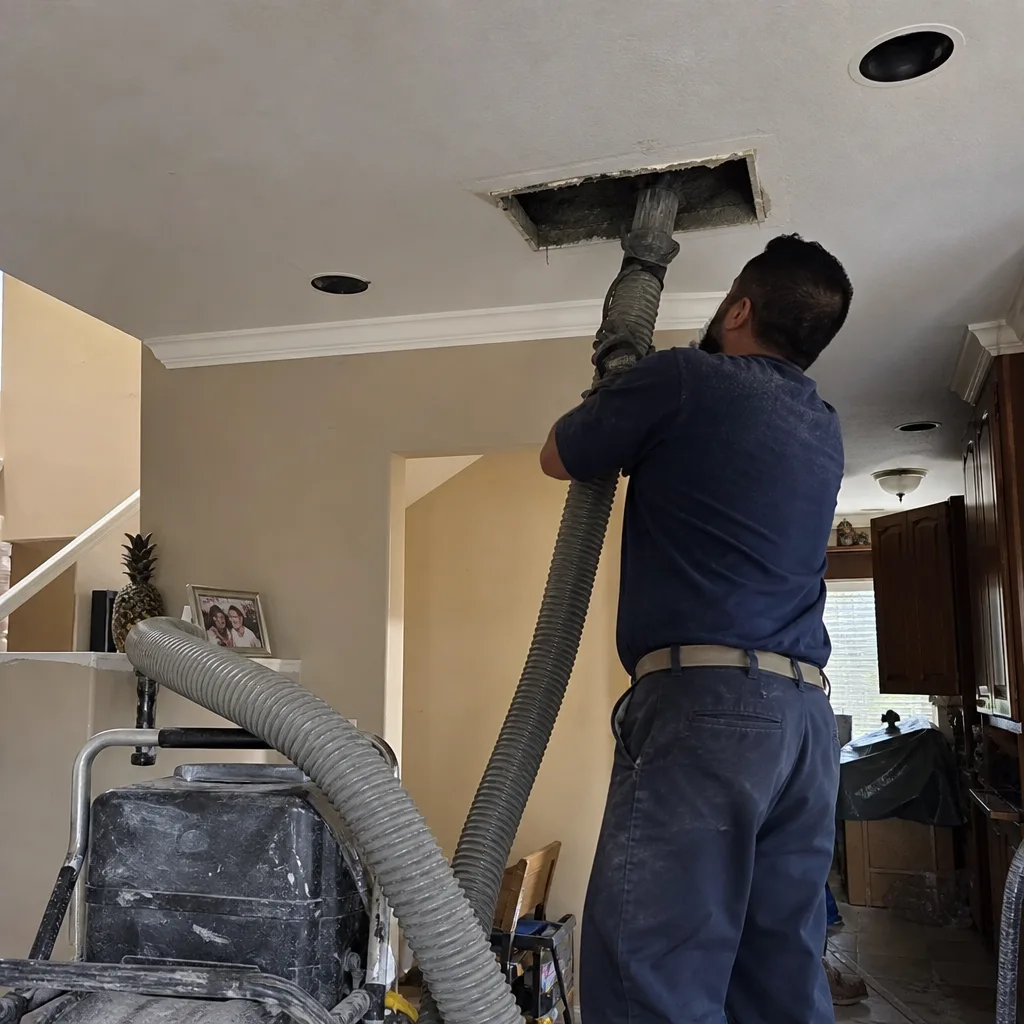 Before
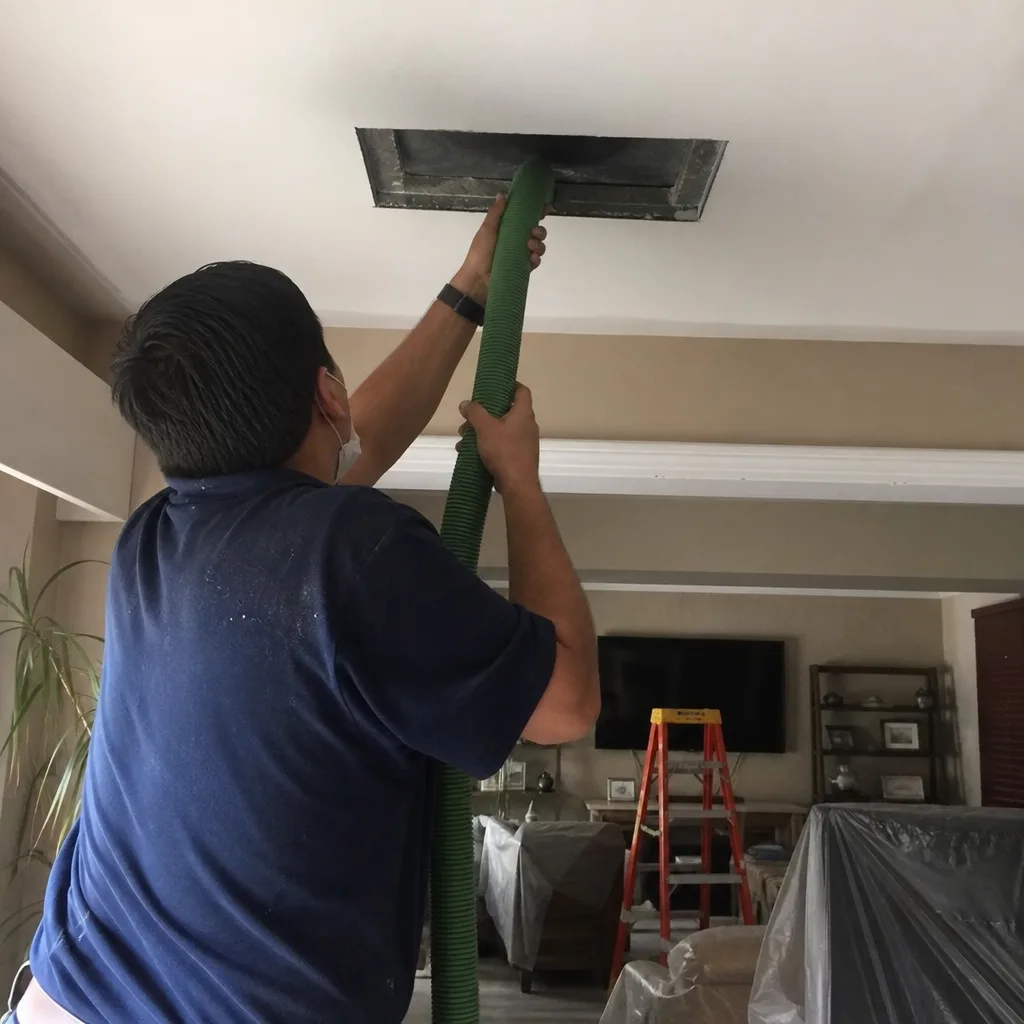 After